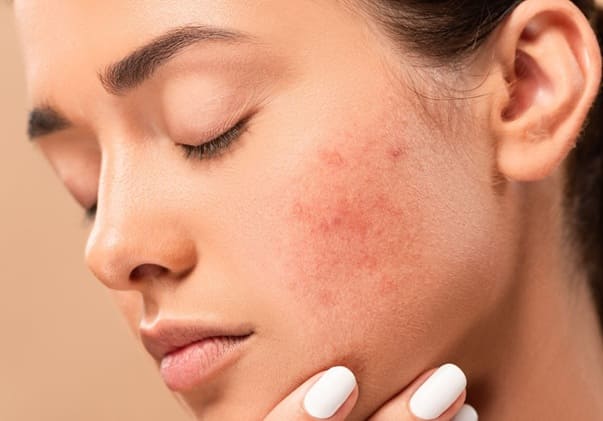
Understanding Hormonal Acne
Hormonal acne, a term often used to describe acne linked to hormonal fluctuations, is a common concern among teenagers and adults alike. Understanding the underlying causes and exploring effective treatment options can empower you to manage and alleviate this skin condition.
What Causes Hormonal Acne?
Hormonal fluctuations are the primary culprits behind this type of acne. These fluctuations can lead to increased oil production, clogged pores, and inflammation. Here’s how hormones play a role in acne development:
Androgens: During puberty, the body produces more androgens, which are male hormones present in both men and women. These hormones stimulate the sebaceous glands to produce more sebum, leading to oily skin and clogged pores.
Menstrual Cycle: Women often experience hormonal acne flare-ups in the week leading up to their period due to fluctuating estrogen and progesterone levels.
Polycystic Ovary Syndrome (PCOS): This common endocrine disorder can lead to increased androgen levels, resulting in persistent acne.
Stress: Stress triggers the release of cortisol, a hormone that can increase oil production, exacerbating acne in some individuals.
Understanding the root causes of hormonal acne is crucial for tailoring an effective treatment plan.
Effective Solutions for Hormonal Acne
Addressing hormonal acne requires a multi-faceted approach that often combines lifestyle changes, topical treatments, and possibly medications. Here are some science-backed strategies:
1. Consult a Dermatologist
Before starting any treatment, it's advisable to consult a dermatologist. They can help determine if your acne is hormonal and recommend suitable treatments. This professional guidance ensures that you're on the right path from the start.
2. Topical Treatments
Topical treatments are often the first line of defense:
Retinoids: Derived from Vitamin A, retinoids help unclog pores and reduce inflammation. A study published in the Journal of Clinical and Aesthetic Dermatology highlights their effectiveness in treating various acne forms.
Benzoyl Peroxide and Salicylic Acid: These ingredients help kill acne-causing bacteria and exfoliate dead skin cells, respectively. They are widely recommended for their proven efficacy in acne management.
3. Oral Contraceptives
For women, oral contraceptives can be particularly effective in managing hormonal acne. They work by regulating hormones that can trigger acne. However, it’s crucial to discuss this option with your healthcare provider to weigh the benefits and potential side effects.
4. Anti-Androgen Medications
Medications such as Spironolactone can help block the effects of androgens on the skin, reducing oil production. Studies have shown significant improvement in acne lesions with this treatment, making it a viable option for many.
5. Lifestyle and Dietary Changes
Incorporating certain lifestyle changes can have a positive impact on hormonal acne:
Diet: Research suggests that reducing dairy and high glycemic index foods can help reduce acne severity. Opting for a balanced diet rich in fruits, vegetables, and whole grains supports overall skin health.
Stress Management: Techniques such as yoga, meditation, and adequate sleep can help manage stress levels, potentially mitigating acne flare-ups.
6. Natural Remedies
Some individuals find relief using natural remedies:
Tea Tree Oil: Known for its antimicrobial properties, tea tree oil can be a gentle alternative for topical treatment, as indicated in several studies for its efficacy against acne.
Zinc Supplements: Zinc's anti-inflammatory properties can be beneficial in reducing acne lesions. Consult with a healthcare provider before starting any supplement regimen.
Conclusion
Hormonal acne requires a comprehensive approach that considers both medical treatments and lifestyle modifications. By understanding the hormonal underpinnings of your acne, you can effectively tailor your skincare regimen and lifestyle to manage and reduce breakouts. Always remember, professional guidance from a dermatologist can be invaluable in navigating your journey to clearer, healthier skin.