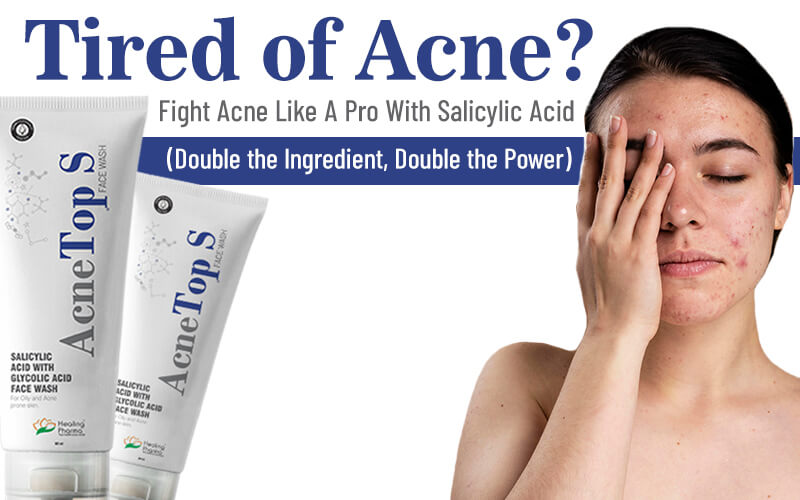
Introduction
Acne is a common and often frustrating skin condition that affects people of all ages. While there are numerous treatments available, salicylic acid stands out as one of the most effective over-the-counter options. In this blog post, we'll delve into the science behind salicylic acid, explore how it benefits acne-prone skin, and provide practical advice on incorporating it into your skincare routine.
What is Salicylic Acid?
Salicylic acid is a beta hydroxy acid (BHA) and is naturally derived from willow bark. It's renowned for its ability to penetrate the pores of the skin, making it a popular ingredient in acne treatments. Salicylic acid works by exfoliating the skin and breaking down the bonds between dead skin cells, which can clog pores and lead to acne.
The Science Behind Salicylic Acid
The primary reason salicylic acid is so effective against acne lies in its solubility in oil. This characteristic allows it to penetrate deeply into the pores, targeting the accumulation of oil and debris that often trigger acne. Research published in the "Journal of Clinical and Aesthetic Dermatology" confirms that salicylic acid not only reduces the number of acne lesions but also prevents future breakouts.
Benefits of Salicylic Acid for Acne
Exfoliates Dead Skin Cells
Salicylic acid is a keratolytic, which means it encourages the shedding of the outer layer of the skin. This process helps prevent clogged pores that can lead to blackheads and whiteheads.
Reduces Inflammation
Acne is often accompanied by redness and swelling. Salicylic acid has anti-inflammatory properties that can help soothe irritated skin, providing relief from discomfort and reducing the appearance of redness.
Unclogs Pores
By penetrating the pores and dissolving the debris within, salicylic acid effectively unclogs pores and prevents new acne from forming.
Improves Skin Texture
Regular use of salicylic acid can lead to smoother, softer skin as it gently removes dead skin cells and promotes cellular turnover.
How to Use Salicylic Acid in Your Skincare Routine
Choosing the Right Product
Salicylic acid is available in various forms, including cleansers, serums, and spot treatments. For those new to this ingredient, starting with a low concentration (0.5% to 2%) is advisable. Look for products specifically formulated for acne-prone skin.
Incorporating it into Your Routine
Start Slowly: If you're new to using salicylic acid, begin by applying it every other day to allow your skin to adjust.
Monitor Your Skin's Reaction: While salicylic acid is generally well-tolerated, some individuals may experience dryness or irritation. If this occurs, reduce the frequency of use.
Follow with Moisturizer: To combat any potential dryness, always use a non-comedogenic moisturizer after applying salicylic acid.
Protect Your Skin: Salicylic acid can increase sun sensitivity, so it's crucial to apply a broad-spectrum sunscreen daily.
Potential Side Effects
While salicylic acid is effective for many, it may not be suitable for everyone. Some users may experience mild irritation, dryness, or peeling. If you have sensitive skin, it's wise to conduct a patch test before full application and consult with a dermatologist if irritation persists.
Conclusion
Salicylic acid is a powerful ally in the fight against acne. With its ability to exfoliate, reduce inflammation, and unclog pores, it can significantly improve the appearance and health of acne-prone skin. By understanding how to incorporate it effectively into your skincare routine, you can harness its full potential for clearer, healthier skin. As always, listen to your skin and adjust your regimen accordingly for the best results.
Final Thoughts
If you're struggling with acne and looking for a reliable over-the-counter solution, salicylic acid could be the game-changer you need. Remember, consistency is key, and with patience and proper application, clearer skin is within reach.