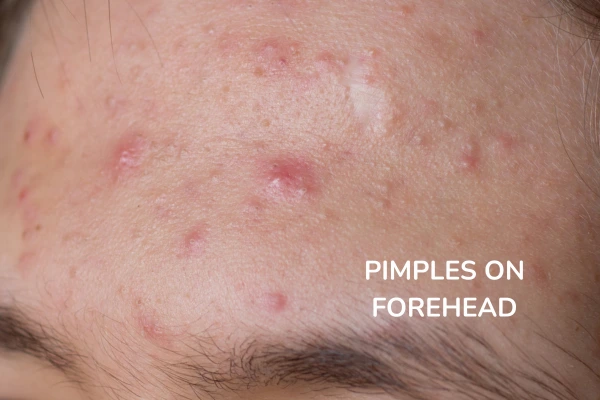
Forehead Acne Causes: Understanding and Tackling Breakouts
Forehead acne is a common skin concern that can be frustrating to deal with. Whether you’re experiencing occasional breakouts or frequent clusters of pimples, understanding the root causes of forehead acne is the first step toward clear, healthy skin. In this post, we’ll dive into the science behind forehead acne, explore potential triggers, and share practical tips to improve your skin health.
What Causes Forehead Acne?
Forehead acne, like other types of acne, forms when hair follicles become clogged with oil (sebum), dead skin cells, and bacteria. However, specific factors can make your forehead more prone to breakouts than other areas of your face. Here are some of the most common causes:
1. Excess Sebum Production
The forehead is part of the T-zone, a region of the face that tends to be oilier due to a higher concentration of sebaceous glands. When these glands produce excess sebum, it can mix with dead skin cells and clog pores, leading to acne.
2. Hair-Related Issues
Hair products, hairstyles, and even the cleanliness of your hair can impact forehead acne. For example:
- Pomade Acne: Certain hair styling products, like pomades, gels, and oils, can clog pores if they come into contact with your skin. This is often referred to as "pomade acne."
- Bangs or Hair Touching the Forehead: Wearing bangs or letting hair rest on your forehead can trap dirt, oil, and sweat against your skin, leading to breakouts.
- Dirty Hair or Headgear: Unwashed hair or hats and headbands that accumulate sweat and bacteria can transfer irritants to your forehead.
3. Hormonal Changes
Fluctuations in hormones, such as those during puberty, menstrual cycles, pregnancy, or periods of high stress, can increase sebum production and trigger acne. Hormonal acne often appears on the forehead as well as other areas of the face.
4. Poor Skincare Habits
Inconsistent or improper skincare routines can contribute to clogged pores. For example:
- Using harsh cleansers that strip the skin of natural oils, causing overproduction of sebum.
- Not removing makeup thoroughly at night.
- Over-exfoliating, which can irritate the skin and worsen acne.
5. Diet and Lifestyle Factors
Certain foods and lifestyle habits may worsen forehead acne, although the evidence is still evolving. Research suggests that high-glycemic-index foods (e.g., sugary snacks, white bread) and dairy products might contribute to acne in some individuals. Additionally, lack of sleep, chronic stress, and dehydration can impair skin health and exacerbate breakouts.
6. Environmental Factors
Sweat, dirt, and pollutants can accumulate on your skin, particularly if you’re active outdoors or live in a polluted area. These environmental factors can clog pores and inflame the skin, leading to forehead acne.
How to Prevent and Treat Forehead Acne
Now that you know the common causes of forehead acne, let’s discuss actionable tips to help you prevent and manage breakouts effectively.
1. Follow a Consistent Skincare Routine
A good skincare regimen is key to keeping forehead acne at bay. Consider these steps:
- Cleanse Twice Daily: Use a gentle, non-comedogenic cleanser to remove dirt, oil, and sweat without stripping your skin. Look for ingredients like salicylic acid or benzoyl peroxide to target acne.
- Moisturize: Even oily skin needs hydration. Choose a lightweight, oil-free moisturizer to maintain your skin barrier.
- Use Sunscreen: Protect your skin from UV damage by applying a broad-spectrum sunscreen every morning. Opt for non-comedogenic formulas to avoid clogging pores.
2. Be Mindful of Hair Products and Hairstyles
- Avoid applying heavy or greasy hair products near your hairline. Instead, choose "non-comedogenic" or "oil-free" options.
- Keep your hair clean and avoid letting bangs or loose strands rest on your forehead.
- If you wear hats or headbands, make sure they are clean and breathable.
3. Adopt a Healthy Lifestyle
- Eat a Balanced Diet: Focus on whole foods like fruits, vegetables, lean proteins, and healthy fats. Consider reducing your intake of high-glycemic and dairy-based foods if you suspect they trigger your acne.
- Stay Hydrated: Drinking enough water helps support overall skin health.
- Manage Stress: Practice stress-reducing activities like yoga, meditation, or regular exercise, as stress hormones can worsen acne.
- Prioritize Sleep: Aim for 7-9 hours of quality sleep each night to give your skin time to repair and rejuvenate.
4. Exfoliate Properly
Exfoliation can help remove dead skin cells and prevent clogged pores, but it’s important not to overdo it. Use a gentle chemical exfoliant with alpha hydroxy acids (AHAs) or beta hydroxy acids (BHAs) 1-2 times a week. Avoid physical scrubs that can irritate the skin.
5. Spot Treat Pimples
For active breakouts, try using spot treatments with ingredients like benzoyl peroxide, salicylic acid, or tea tree oil. These can help reduce inflammation and kill acne-causing bacteria.
6. Consult a Dermatologist If Needed
If your forehead acne persists or worsens despite trying over-the-counter treatments, consider consulting a dermatologist. They can prescribe stronger medications or recommend advanced treatments like chemical peels, laser therapy, or hormonal therapy.
Final Thoughts
Forehead acne can be influenced by a variety of factors, from excess oil production and hormones to hair care habits and lifestyle choices. The good news is that with the right skincare routine and some mindful changes, you can significantly reduce breakouts and improve your skin. Remember, consistency is key when it comes to acne management, so be patient and give your routine time to work.
If you’re feeling overwhelmed or unsure about your skin concerns, don’t hesitate to seek advice from a dermatologist. They can help guide you toward personalized solutions that work for your unique skin type and needs.
By addressing the causes of forehead acne and adopting healthy skin practices, you’re well on your way to achieving a clearer, more confident complexion!