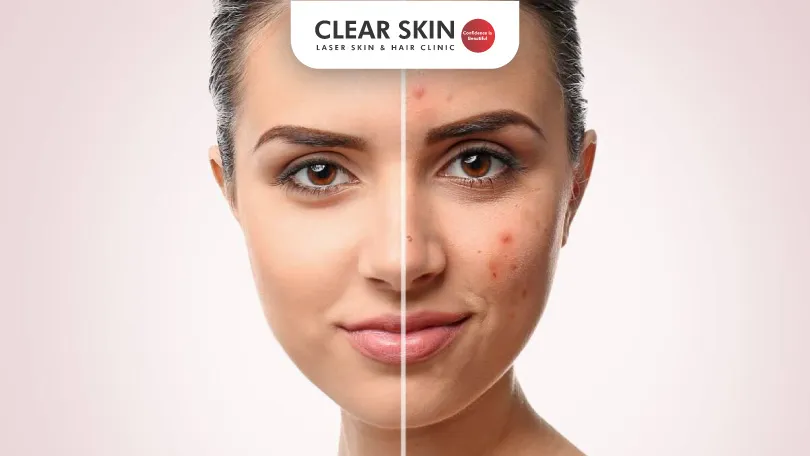
Forehead Acne Causes: Why Do They Appear?
Forehead acne is one of the most common types of facial acne, and it can be frustrating to deal with. Although it might seem random, forehead acne often has identifiable causes ranging from lifestyle habits to underlying health issues.
The good news? Understanding these causes can help you manage and reduce breakouts effectively. In this blog post, we’ll explore the factors that contribute to forehead acne and provide actionable tips to achieve clearer skin.
1. Excess Oil Production and Clogged Pores
Your forehead is part of the T-zone, an area of the face that tends to produce more oil (sebum) due to the increased concentration of sebaceous glands. Excess sebum, combined with dead skin cells, can clog pores, leading to acne.
Solution:
- Cleanse your face twice daily with a gentle, non-comedogenic cleanser.
- Avoid harsh scrubs that might irritate the skin and exacerbate acne.
- Use salicylic acid or benzoyl peroxide-based products to keep pores clear and reduce oil.
2. Hair Products and Styling Habits
If you use hair products like gels, sprays, or oils, they might be contributing to your forehead acne. These products can transfer onto your skin, especially if you have bangs or frequently touch your forehead. Known as “pomade acne,” this type of breakout is caused by pore-clogging ingredients in hair care products.
Solution:
- Choose hair products labeled as "non-comedogenic" or "oil-free."
- Keep your hair off your forehead to minimize product transfer.
- Wash your face after applying hair products to remove residue.
3. Poor Hygiene and Sweating
Sweat, combined with bacteria and dirt, can lead to clogged pores and forehead acne. This is especially common if you don’t cleanse your face after sweating or if you wear hats or headbands that trap moisture and bacteria against your skin.
Solution:
- Wash your face immediately after exercising or sweating.
- Avoid wearing tight hats or headbands for extended periods.
- Use salicylic acid-based wipes to cleanse your forehead on the go.
4. Diet and Lifestyle Factors
Diet can play a role in acne formation, although research on this topic is ongoing. Foods high in sugar and dairy may trigger acne for some individuals due to their potential impact on hormone levels and inflammation.
Solution:
- Keep a food diary to identify potential triggers.
- Consider reducing sugar and dairy intake if you notice a connection to your breakouts.
- Eat a diet rich in antioxidants, omega-3 fatty acids, and vitamins to support skin health.
5. Hormonal Imbalances
Hormonal changes during puberty, menstruation, pregnancy, or stress can cause an increase in sebum production, leading to acne. Forehead acne, especially along the hairline, may be linked to hormonal fluctuations.
Solution:
- Manage stress through mindfulness, yoga, or journaling.
- Consult a dermatologist for prescription options like oral contraceptives or spironolactone if hormonal acne is persistent.
- Maintain a consistent skincare routine to counteract hormonal changes.
6. Skincare Mistakes
Using the wrong skincare products or overloading your skin with too many active ingredients can irritate your skin and cause forehead acne. Skipping sunscreen or using greasy formulations can also worsen breakouts.
Solution:
- Simplify your skincare routine by focusing on a gentle cleanser, moisturizer, and sunscreen.
- Avoid heavy, greasy creams on your forehead.
- Test new products on a small area of skin before fully incorporating them into your routine.
7. Environmental Factors
Pollution, dirt, and exposure to UV rays can irritate the skin and exacerbate acne, especially on the forehead. These environmental factors can increase oxidative stress, leading to inflammation and clogged pores.
Solution:
- Use antioxidant-rich skincare products, like those containing niacinamide or vitamin C.
- Cleanse your face at the end of the day to remove pollutants and impurities.
- Apply a broad-spectrum sunscreen daily to protect your skin.
Final Thoughts
Forehead acne can be caused by a combination of factors, ranging from excess oil production to hair products and hormonal imbalances. The key to managing it is identifying your specific triggers and tweaking your lifestyle and skincare routine accordingly.
If forehead acne persists despite following these tips, consult a dermatologist. They can provide tailored advice and treatments, such as prescription-strength topical or oral medications.
Clearer skin starts with understanding your acne and taking actionable steps to address it. With patience and consistency, you can minimize forehead breakouts and achieve healthier skin.
Quick Summary of Forehead Acne Tips
- Keep your forehead clean and oil-free.
- Use non-comedogenic skincare and hair products.
- Reduce stress and monitor dietary triggers.
- Avoid hats or headbands that trap sweat and bacteria.
- Consult a dermatologist for persistent or severe acne.
Your skin is unique, so embrace the journey to discover what works best for you!