Forehead Acne Causes: Myths vs Facts You Need to Know
Forehead acne can be frustrating and confusing. With so much information floating around, it’s easy to fall for myths that might not actually help you treat your breakouts. In this blog post, we’ll uncover the real causes of forehead acne, tackle common misconceptions, and provide actionable advice to help you achieve clearer skin.
What Is Forehead Acne?
Forehead acne is a type of facial acne that occurs predominantly on the forehead area. It typically manifests as whiteheads, blackheads, or irritated red pimples. Forehead acne can affect people of any age, but it’s particularly common in teenagers and young adults due to hormonal fluctuations.
Understanding the underlying causes of forehead acne is key to managing and preventing future breakouts.
Myth 1: Forehead Acne Is Caused by Poor Hygiene
Fact: Acne is not necessarily a result of dirty skin. While proper cleansing is essential for healthy skin, forehead acne is caused primarily by clogged pores, excess oil production, inflammation, and bacteria like Cutibacterium acnes. Overwashing your face can strip your skin of natural oils, leading to dryness and triggering more oil production, which may worsen acne.
Actionable Tip:
Stick to cleansing your face twice a day—once in the morning and once before bed. Use a gentle, non-comedogenic cleanser to remove dirt and excess oil without irritating your skin.
Myth 2: Forehead Acne Is Solely Caused by Stress
Fact: Stress can exacerbate acne but is rarely the sole cause. Stress triggers the release of hormones like cortisol, which may increase oil production, leading to clogged pores. However, forehead acne usually arises from a combination of factors, including hormonal changes, diet, skincare habits, and external irritants.
Actionable Tip:
While managing stress won’t cure forehead acne, it can help reduce flare-ups. Practice mindfulness, yoga, or deep breathing exercises to manage stress effectively. Pair this with a consistent acne treatment routine.
Myth 3: Forehead Acne Means You Have Digestive Issues
Fact: You may have heard about the concept of “face mapping,” which suggests that forehead acne is linked to digestive health. While there’s limited scientific evidence to back this claim, diet can play a role in acne. Foods high in refined carbs and sugars can spike insulin levels, potentially worsening acne. However, digestive issues like indigestion or bloating are not scientifically proven to specifically cause forehead acne.
Actionable Tip:
Focus on eating a balanced diet rich in whole foods, including vegetables, fruits, lean proteins, and healthy fats. Avoid excessive consumption of sugary or processed foods that might impact your overall skin health.
Myth 4: Hair Products Don’t Influence Forehead Acne
Fact: Hair products, especially those containing heavy oils or silicones, can contribute to forehead acne. This is referred to as pomade acne, caused by the transfer of comedogenic ingredients from your hairline to your skin. If you regularly apply hair gels, sprays, or waxes, they may clog pores in the forehead area.
Actionable Tip:
Opt for non-comedogenic hair products and make sure to wash off any residue near your hairline daily. If you have bangs, consider pinning them back to avoid hair-to-skin contact during workouts or bedtime.
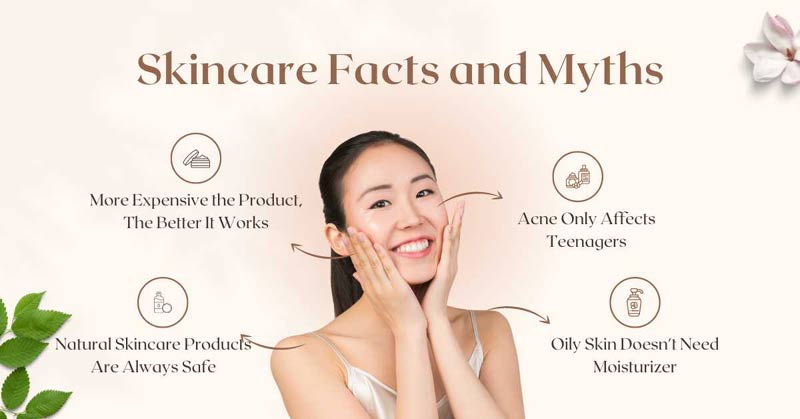
Myth 5: Forehead Acne Is Only a Teenager's Problem
Fact: While hormonal changes during adolescence commonly trigger acne, adults aren’t immune. Forehead acne in adults may result from stress, skincare routines, hormonal fluctuations, or makeup use. In fact, hormonal imbalances during pregnancy, menopause, or due to conditions like polycystic ovary syndrome (PCOS) can lead to adult acne.
Actionable Tip:
Adults experiencing acne should consult a dermatologist to rule out underlying hormonal issues. Treatments such as topical retinoids, benzoyl peroxide, or hormonal therapy may be recommended based on your specific needs.
Common Causes of Forehead Acne
While debunking myths is important, understanding legitimate causes of forehead acne is crucial. Here are scientifically-backed reasons:
- Excess Oil Production: Overactive sebaceous glands produce oil that can clog pores.
- Hormonal Changes: Hormones like androgens increase oil production, especially during puberty or menstruation.
- Wrong Skincare Products: Heavy, comedogenic products can block pores, leading to breakouts.
- External Irritants: Hats, helmets, or headbands that rub against the forehead can irritate the skin.
- Environmental Factors: Pollution and humidity may contribute to clogged pores and inflammation.
How to Prevent and Manage Forehead Acne
Follow these practical tips to reduce and manage forehead acne effectively:
1. Keep Your Forehead Clean
Wash your face regularly with a gentle cleanser to remove dirt, sweat, and oil.
2. Use Targeted Acne Treatments
Consider using a topical product containing salicylic acid or benzoyl peroxide to unclog pores and reduce inflammation. Retinoids can also be effective for preventing breakouts.
3. Avoid Touching Your Face
Constantly touching your face can transfer bacteria and irritants, worsening acne.
4. Check Your Haircare Routine
Use non-comedogenic hair products and avoid letting greasy hair or bangs sit on your forehead.
5. Stay Consistent with Your Skincare
Stick to a simple, consistent routine. Overloading your skin with too many products may worsen breakouts.
6. Consult a Dermatologist
If your forehead acne persists despite trying over-the-counter treatments, consult a dermatologist. Prescription-strength treatments or hormonal therapy may help.
Conclusion
Forehead acne can be annoying, but it’s manageable once you understand its real causes and separate myths from facts. By adopting a consistent skincare routine, making lifestyle changes, and addressing external irritants, you can significantly reduce the frequency and severity of forehead breakouts. Remember, patience is key—most acne treatments take time to show results. If your acne doesn’t improve, don’t hesitate to seek help from a dermatologist.
Thank you for reading! Have any questions or tips about forehead acne? Share them in the comments below!