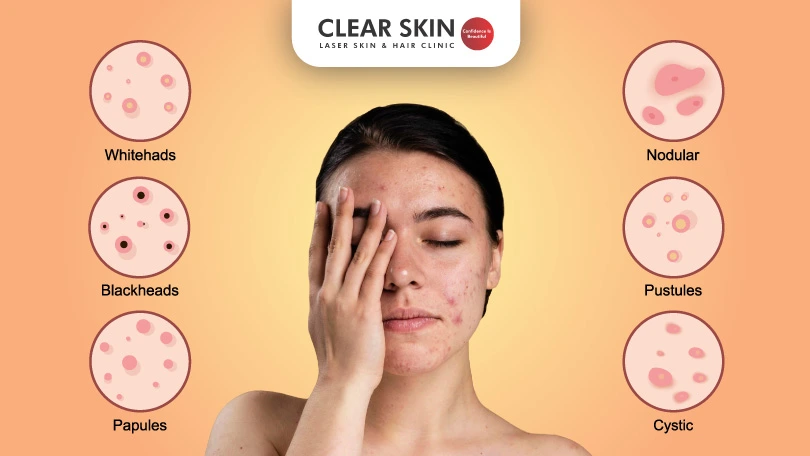
Forehead Acne Causes and How to Treat Them Effectively
Acne is a frustrating and often stubborn skin concern that can affect both teens and adults. If you're dealing with forehead acne, you're not alone—this is a common area for breakouts. The good news is that understanding the causes of forehead acne and how to manage them can help you achieve clearer skin. In this article, we’ll dive into the science behind forehead acne and provide actionable steps to tackle it.
What Causes Forehead Acne?
Forehead acne, like other types of facial acne, develops when pores become clogged with excess oil (sebum), dead skin cells, and bacteria. However, the forehead is particularly susceptible to acne due to its proximity to the scalp and hairline, along with lifestyle and environmental factors. Here are the main culprits:
1. Excess Oil Production
The forehead is part of the T-zone, which naturally produces more oil than other parts of your face. Overactive sebaceous glands can lead to clogged pores, which form whiteheads, blackheads, or even inflammatory acne. Hormonal fluctuations (such as during puberty or menstrual cycles) often exacerbate excess oil production.
2. Hair Products and Styling Habits
Haircare products like oils, gels, and sprays can cause forehead acne if they come into contact with your skin. This phenomenon is known as "pomade acne" and is particularly common when products clog pores along the hairline. Additionally, wearing bangs or hairstyles that touch your forehead may trap sweat, oil, and debris.
3. Sweat and Exercise
While exercise is great for overall health, sweat can mix with dirt and oil on your skin, especially if you don’t cleanse properly afterward. This can lead to blocked pores and forehead acne, particularly after intense physical activity.
4. Poor Skincare Practices
Using the wrong skincare products—or skipping skincare altogether—can worsen forehead acne. Harsh cleansers, heavy moisturizers, or skipping sunscreen can irritate the skin or clog pores. Conversely, neglecting to wash your face regularly can allow dirt and oil to accumulate.
5. Diet and Lifestyle Factors
Some research suggests that your diet may play a role in acne. Foods with a high glycemic index (like sugary snacks and processed carbs) can increase inflammation and stimulate oil production, contributing to acne formation. Similarly, stress can trigger hormonal changes that exacerbate breakouts.
6. Underlying Medical Conditions
Forehead acne could also be related to underlying health issues, such as digestive imbalances, hormonal disorders, or even poor sleep hygiene. Consulting a dermatologist or healthcare provider can help rule out medical causes.
Practical Tips to Address Forehead Acne
Fortunately, forehead acne is manageable with consistent care and smart habits. Here are actionable steps to clear and prevent forehead acne:
1. Use a Gentle Cleanser Twice a Day
Cleansing your face in the morning and at night removes excess oil, dirt, and sweat that can clog pores. Opt for a sulfate-free cleanser formulated for acne-prone skin. Look for ingredients like salicylic acid or benzoyl peroxide, which are scientifically proven to target acne effectively.
2. Switch to Non-Comedogenic Hair Products
If haircare products are contributing to your breakouts, choose non-comedogenic options that won't clog pores. Try to keep hair products away from your forehead and cleanse the area after applying them.
3. Exfoliate Regularly
Exfoliation helps remove dead skin cells, preventing them from clogging your pores. Use a chemical exfoliant containing alpha-hydroxy acids (AHAs) or beta-hydroxy acids (BHAs), such as glycolic acid or salicylic acid, 1-2 times per week. Avoid over-exfoliating, as this can irritate your skin.
4. Adopt Sweat-Friendly Habits
If you exercise frequently, make sure to cleanse your face immediately after workouts. Use a gentle, pH-balanced cleanser to remove sweat and oil without over-drying your skin. Avoid touching your face during exercise, as your hands can transfer bacteria.
5. Maintain a Healthy Diet
Focus on eating a balanced diet rich in fruits, vegetables, lean protein, and healthy fats. Limit high-glycemic foods, dairy, and processed snacks if you suspect they may trigger your acne. Drinking plenty of water can also help keep your skin hydrated and support overall health.
6. Manage Stress
Chronic stress can worsen acne due to increased cortisol levels, which stimulate oil production. Practice stress-management techniques such as mindfulness, yoga, or regular exercise to keep your skin (and mind) in balance.
7. Avoid Touching Your Face
Frequent touching or picking at acne can introduce bacteria to your skin and worsen inflammation. Try to keep your hands off your face throughout the day, and clean your phone regularly to prevent bacteria transfer.
8. Consult a Dermatologist
If your forehead acne persists despite trying over-the-counter products and lifestyle changes, it’s time to consult a dermatologist. They can prescribe stronger treatments such as topical retinoids, oral antibiotics, or even isotretinoin if needed.
Final Thoughts
Forehead acne can be a frustrating challenge, but understanding its causes and adopting a thoughtful skincare routine can make a big difference. From choosing the right products to managing stress and diet, small daily habits can lead to clearer skin. Remember, acne treatments take time, so be patient and persistent with your routine.
If you’re ever unsure about your acne or if it’s severe, don’t hesitate to seek advice from a skincare professional. Your journey to healthy, glowing skin starts with informed decisions and consistent care.
Have you found any tips here helpful for your forehead acne? Share your progress or additional questions in the comments below—we’d love to hear from you!