Teenage Acne Prevention Tips: Expert Advice for Clearer Skin
Teenage acne is one of the most common skin concerns during adolescence, affecting nearly 85% of teens. While it’s a natural part of growing up, acne can take a toll on self-confidence. The good news? Preventing and managing teenage acne is possible with the right approach. Here’s a comprehensive guide to protecting your skin and reducing acne flare-ups.
What Causes Teenage Acne?
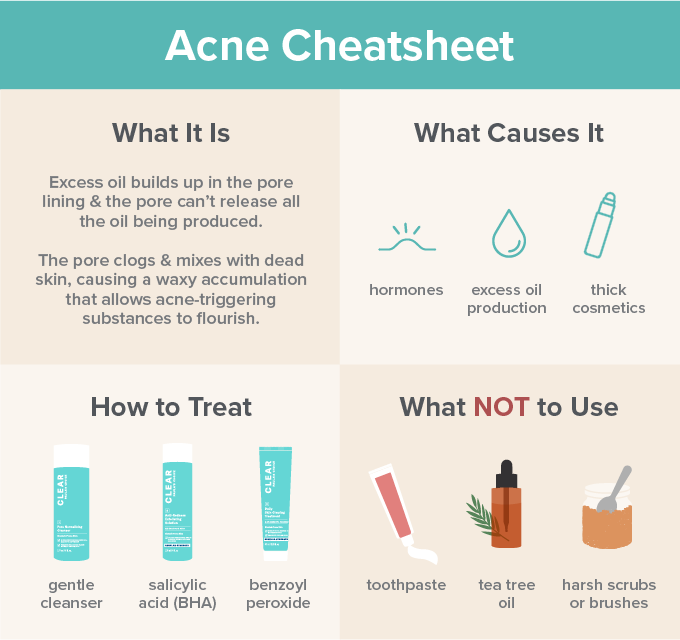
To prevent acne, it’s important to understand what causes it. Acne occurs when hair follicles become clogged with oil, dirt, and dead skin cells. Hormonal changes during puberty lead to increased oil production (sebum), which creates an ideal environment for acne-causing bacteria, Propionibacterium acnes, to thrive. Add factors like stress, poor skincare habits, or dietary triggers, and breakouts can become frequent.
1. Stick to a Simple, Effective Skincare Routine
A consistent skincare routine is one of the best defenses against acne. Here’s a step-by-step breakdown:
Morning Routine:
- Gentle Cleanser: Wash your face with a mild, non-comedogenic cleanser to remove oil and sweat without stripping your skin.
- Moisturizer: Even acne-prone skin needs hydration. Choose an oil-free, lightweight moisturizer.
- Sunscreen: Use a broad-spectrum sunscreen (SPF 30 or higher) daily to protect your skin from UV damage, which can worsen acne marks.
Night Routine:
- Cleanser: Remove dirt, oil, and makeup with the same gentle cleanser. Avoid harsh scrubs, which can irritate the skin.
- Exfoliation (2-3 times per week): Use a chemical exfoliant containing salicylic acid or glycolic acid to unclog pores and remove dead skin cells.
- Acne Treatment: Apply a targeted treatment like benzoyl peroxide or topical retinoids to active breakouts.
2. Use Non-Comedogenic Products
Non-comedogenic skincare and makeup products are specifically formulated not to clog pores. Check product labels when choosing cleansers, moisturizers, sunscreens, and cosmetics. This simple switch can significantly reduce acne.
3. Avoid Touching Your Face
Your hands come into contact with bacteria, dirt, and oils throughout the day. Touching your face or picking at pimples can transfer these irritants to your skin, increasing the risk of breakouts and scarring. If you struggle with this habit, keep tissues or blotting papers handy to gently dab away excess oil.
4. Wash Pillowcases and Towels Regularly
Bacteria, oil, and sweat can accumulate on pillowcases and towels, transferring to your skin every time you use them. To minimize this, wash pillowcases at least twice a week and use clean towels daily.
5. Eat a Balanced, Skin-Friendly Diet
While diet alone doesn’t directly cause acne, certain foods may exacerbate breakouts. Research suggests that high-glycemic foods (like sugary snacks and white bread) and dairy may trigger acne in some individuals. Focus on:
- Low-Glycemic Foods: Whole grains, fruits, and vegetables.
- Omega-3 Fatty Acids: Found in salmon, walnuts, and flaxseeds, these can help reduce inflammation.
- Hydration: Drink plenty of water to flush toxins and keep your skin hydrated.
6. Manage Hormonal Changes
Hormones play a big role in teenage acne. While you can’t stop puberty, certain lifestyle adjustments can help balance hormones:
- Exercise Regularly: Physical activity reduces stress and boosts circulation, promoting healthy skin.
- Sleep Well: Aim for 7-9 hours of sleep per night to allow your skin to repair itself.
- Stress Management: Practice mindfulness or relaxation techniques to reduce stress-induced breakouts.
7. Know When to Seek Professional Help
If over-the-counter products and lifestyle changes aren’t enough, consult a dermatologist. Prescription treatments like topical retinoids, oral antibiotics, or hormonal therapy (like birth control pills for girls) can effectively control severe acne. Early treatment also minimizes the risk of long-term scarring.
8. Be Patient and Consistent
Acne prevention isn’t an overnight process. Most treatments take weeks to show results, and consistency is key. Stick with your routine, avoid switching products too frequently, and monitor your skin’s response over time.
Final Thoughts
Teenage acne can be frustrating, but it’s manageable with the right strategies. By adopting a proper skincare routine, making healthier lifestyle choices, and seeking professional help when needed, you can take control of your skin health. Remember, your skin deserves care and patience, and clearer days are ahead!
Key Takeaways:
- Cleanse, exfoliate, and hydrate your skin daily.
- Avoid high-glycemic and dairy-heavy diets.
- Use non-comedogenic skincare products.
- Seek dermatological help for persistent acne.