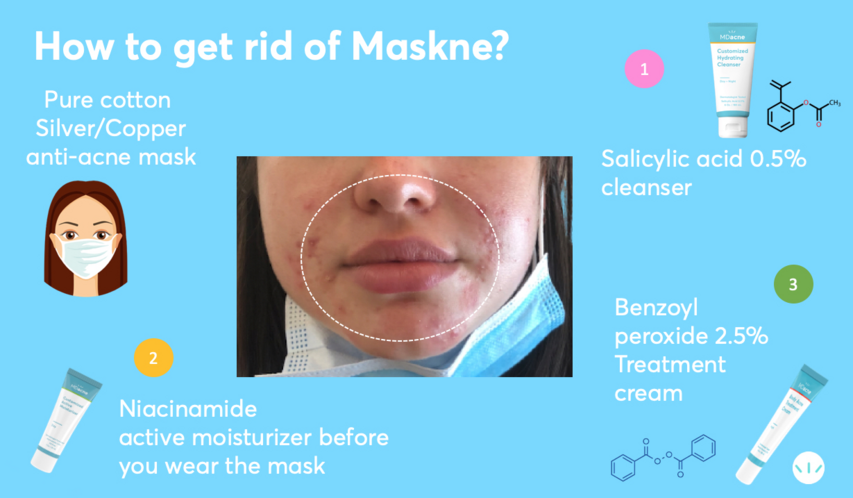
Understanding Maskne: A New Skincare Challenge
Maskne, or mask acne, has become a common concern since the widespread use of face masks. As crucial as masks are for health safety, they create a warm, moist environment that can aggravate acne. The friction and pressure of masks against the skin, coupled with trapped sweat and oils, can exacerbate breakouts, leading to what we now call maskne.
Causes of Maskne
Understanding the root causes of maskne helps in addressing it effectively. The main factors include:
- Friction and Pressure: Continuous mask-wearing causes mechanical irritation, leading to pressure-induced acne, known as acne mechanica.
- Moisture and Sweat: Masks trap humidity and sweat, creating a breeding ground for bacteria.
- Occlusion: The mask acts as an occlusive barrier, holding bacteria, oil, and dead skin cells against your skin.
Natural Remedies to Combat Maskne
1. Gentle Cleansing with Honey
Honey is a natural antibacterial and anti-inflammatory agent. It helps reduce excess oil and clears clogged pores. Using honey as a face wash can gently cleanse your skin without stripping it of natural oils.
How to Use:
- Apply a teaspoon of raw honey directly to your face.
- Massage gently for a minute or two.
- Rinse with warm water and pat dry.
2. Aloe Vera for Soothing and Healing
Aloe vera is renowned for its cooling and soothing properties. It helps reduce inflammation and speeds up the healing process of acne lesions.
How to Use:
- Extract fresh aloe vera gel from a leaf.
- Apply a thin layer to the affected area.
- Leave it on for 10-15 minutes before rinsing off with lukewarm water.
3. Tea Tree Oil as a Spot Treatment
Tea tree oil is a natural antiseptic with antimicrobial properties. It's effective in fighting acne-causing bacteria and calming inflamed skin.
How to Use:
- Dilute tea tree oil with a carrier oil like jojoba or coconut oil (1:9 ratio).
- Apply the mixture to affected areas using a cotton swab.
- Use once daily, preferably at night.
4. Green Tea Rinse for Antioxidants
Green tea is rich in antioxidants and helps reduce sebum production. It also exhibits anti-inflammatory properties, making it an excellent toner for acne-prone skin.
How to Use:
- Brew a cup of green tea and let it cool.
- Use it as a facial rinse after your cleansing routine.
- Pat your skin dry with a clean towel.
5. Oatmeal Masks for Exfoliation
Oatmeal is soothing and contains saponins, which act as natural cleansers. It gently exfoliates the skin, removing excess oil and dead skin cells.
How to Use:
- Mix two tablespoons of ground oats with water to form a paste.
- Apply to the face and leave on for 15 minutes.
- Rinse with lukewarm water, massaging the skin in circular motions.
Additional Tips to Prevent Maskne
1. Choose the Right Mask Material
Opt for masks made of breathable, natural fabrics like cotton. They are gentle on the skin and less likely to cause irritation.
2. Maintain Mask Hygiene
Ensure that your mask is clean by washing it daily if reusable, or change it frequently if disposable. This prevents the buildup of bacteria and oils.
3. Avoid Makeup Underneath Masks
Wearing heavy makeup under your mask can clog pores. If makeup is necessary, choose non-comedogenic products.
4. Hydrate and Moisturize
Keeping your skin hydrated can prevent overproduction of sebum. Use a lightweight, non-comedogenic moisturizer to maintain your skin’s barrier.
Conclusion
While maskne can be frustrating, these natural remedies provide a gentle and effective approach to managing it. By understanding the causes and adopting a consistent skincare routine, you can keep your skin clear and healthy even while staying safe. Remember that patience is key, as natural remedies may take time to show their full benefits. Stay diligent and adjust your routine as needed for the best results.
Maskne doesn’t have to be a constant battle. By incorporating these solutions, you can help your skin breathe easy while wearing your mask with confidence.