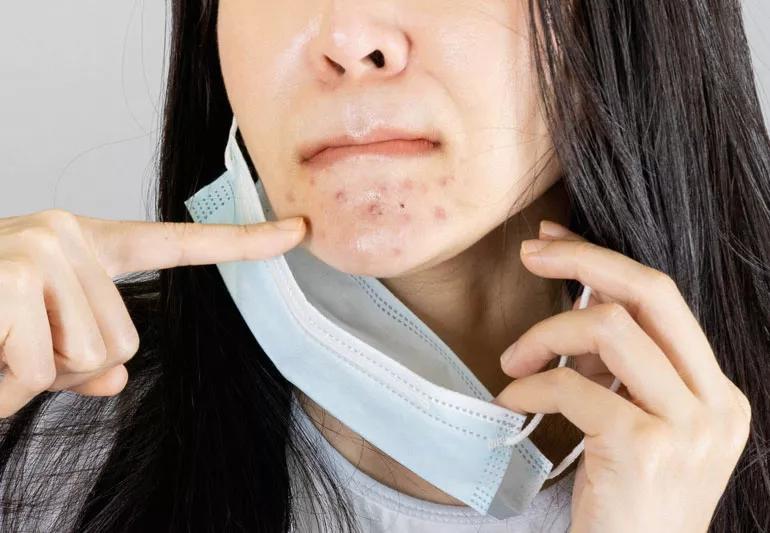
What Is Maskne?
Maskne, short for "mask acne," refers to acne breakouts caused by wearing face masks for extended periods. Masks create a warm, humid environment that traps sweat, oil, and bacteria against the skin. This can lead to clogged pores, irritation, and breakouts, particularly around the cheeks, chin, and jawline. While maskne is most common among people who wear masks regularly, anyone can experience it if their skin becomes irritated or congested.
Why Does Maskne Occur?
The root causes of maskne are multifaceted. Here are the primary contributors:
- Friction: Masks can rub against the skin throughout the day, leading to irritation and weakening the skin barrier.
- Occlusion: Masks limit airflow, creating a trapped, humid environment that promotes sweat and oil buildup.
- Bacteria Growth: Prolonged mask-wearing provides a breeding ground for bacteria, which can exacerbate acne.
- Sensitivity: Certain mask materials may cause allergic reactions or further irritation for sensitive skin.
Understanding these causes allows us to tackle maskne effectively with preventative strategies.
Practical Tips to Prevent Maskne
1. Choose the Right Mask
The type of mask you wear plays a significant role in maskne prevention. Opt for masks made from soft, breathable fabrics like cotton. Avoid synthetic materials like polyester, which can trap heat and moisture. If you're required to wear medical-grade masks, ensure they fit properly to minimize friction without being overly tight.
Actionable Tip:
Wash reusable cloth masks after every use with a gentle, fragrance-free detergent to remove dirt and bacteria. Rotate between clean masks throughout the day if possible.
2. Cleanse Your Skin Regularly
A consistent cleansing routine is essential to keep your skin free of oil, sweat, and impurities. Use a gentle, sulfate-free cleanser that won't strip your skin of its natural moisture.
Actionable Tip:
Wash your face twice daily—once in the morning and once in the evening. If you've been sweating or wearing a mask for long periods, cleanse your skin immediately after removing the mask.
3. Hydrate Your Skin
A well-moisturized skin barrier is more resistant to irritation and breakouts. Look for lightweight, non-comedogenic moisturizers that won't clog your pores. Ingredients like hyaluronic acid or ceramides are excellent for maintaining hydration.
Actionable Tip:
Apply moisturizer before putting on your mask to create a protective layer between your skin and the mask.
4. Incorporate Acne-Fighting Ingredients
To address breakouts, use products with proven acne-fighting ingredients like salicylic acid, benzoyl peroxide, or tea tree oil. However, avoid overusing these products to prevent dryness or irritation.
Actionable Tip:
Apply spot treatments to affected areas before wearing your mask. Choose formulations with lower concentrations (e.g., 2% salicylic acid) to minimize irritation.
5. Avoid Heavy Makeup
Wearing heavy makeup under a mask can exacerbate clogged pores and worsen maskne. Consider going makeup-free or using lightweight, non-comedogenic options if makeup is necessary.
Actionable Tip:
If you wear makeup, cleanse thoroughly at the end of the day to ensure no residue remains on your skin.
6. Take Mask Breaks When Safe
If possible, remove your mask for short periods in a safe, socially distanced environment to allow your skin to breathe.
Actionable Tip:
When taking breaks, cleanse or refresh your skin with a gentle toner or micellar water to remove sweat and bacteria.
7. Strengthen Your Skin Barrier
A healthy skin barrier is less likely to become inflamed or irritated. Avoid harsh exfoliants and focus on barrier-repair ingredients like niacinamide or ceramides.
Actionable Tip:
Introduce a soothing serum with anti-inflammatory properties like aloe vera or green tea extract to calm irritation caused by mask friction.
8. Practice Good Hygiene
Hygiene isn’t just about your skin—it also includes keeping your surroundings clean. Make sure your mask storage area is sanitized and avoid touching your face unnecessarily.
Actionable Tip:
Carry a resealable bag to store unused masks and sanitize your hands before and after touching your mask.
When to Seek Professional Help
If maskne persists despite following these preventative measures, consult a dermatologist. They may recommend prescription treatments like topical retinoids or oral medications to manage severe breakouts.
Final Thoughts
Mask acne doesn’t have to be a permanent issue. By taking proactive steps to prevent irritation, maintain proper hygiene, and support your skin barrier, you can minimize breakouts and keep your skin healthy while staying safe. With these actionable tips, you’re equipped to tackle maskne with confidence.
Remember, consistency is key—stick to your skincare routine and monitor your skin’s progress over time. Clearer skin is achievable with patience and care!