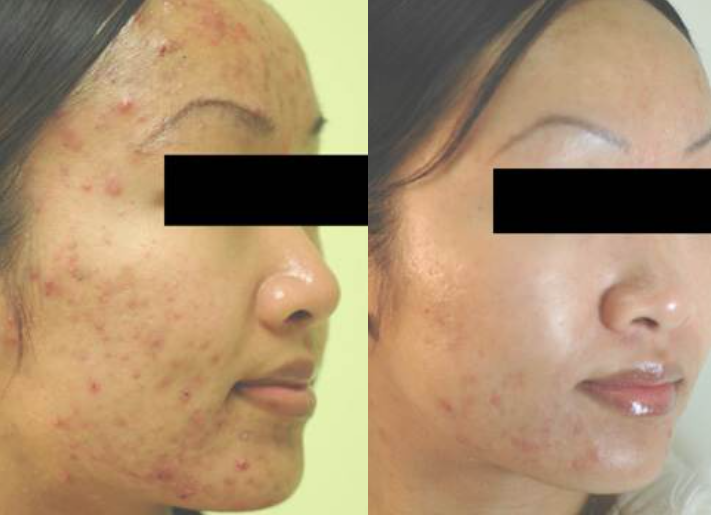
Understanding Acne Scars
Acne scars can be a challenging reminder of past breakouts, often affecting self-esteem and confidence. They occur when a breakout penetrates the skin deeply and damages the tissues beneath. Fortunately, advancements in dermatology offer a wide array of treatment options to reduce or even eliminate acne scars, depending on their severity and type.
Types of Acne Scars
Before considering treatment, it's important to identify the type of acne scars you have. Scars can generally be categorized into:
- Atrophic Scars: These are the most common type of acne scars, characterized by a loss of tissue. They include:
- Ice Pick Scars: Deep, narrow scars that resemble large, open pores.
- Boxcar Scars: Broad, box-shaped depressions with defined edges.
- Rolling Scars: Wave-like depressions with smooth edges.
- Hypertrophic Scars: Raised scars that form due to excess tissue production.
- Keloid Scars: Overgrown scars that spread beyond the original wound.
Treatment Options
1. Topical Treatments
Topical treatments are often the first line of defense against acne scars. Ingredients like retinoids, niacinamide, and vitamin C can help improve skin texture and tone over time.
- Retinoids: These vitamin A derivatives promote cell turnover and collagen production, helping to reduce atrophic scars. A study published in the Journal of Clinical and Aesthetic Dermatology found that retinoids can significantly improve the appearance of acne scars with consistent use.
2. Chemical Peels
Chemical peels involve applying a solution to the skin that exfoliates the top layer, promoting new skin growth. According to a study in the Dermatologic Surgery Journal, chemical peels with glycolic acid or salicylic acid can improve mild acne scars by smoothing out the skin’s surface.
3. Microneedling
Microneedling uses tiny needles to create micro injuries in the skin, stimulating collagen production. It's particularly effective for atrophic scars. Research published in the Journal of Cutaneous and Aesthetic Surgery supports its use, showing improvement in scar depth and skin texture.
4. Laser Therapy
Laser treatments offer precision and effectiveness by resurfacing the skin and stimulating collagen. Fractional laser therapy and CO2 laser treatments are commonly recommended for deeper scars. A study in Lasers in Surgery and Medicine found significant improvements in scar appearance after laser therapy.
5. Dermal Fillers
Dermal fillers can temporarily raise depressed scars, making them less noticeable. Fillers like hyaluronic acid are injected into the scar tissue, providing instant but temporary results that typically last several months.
6. Surgical Options
In cases of severe scarring, surgical options like punch excision, subcision, or grafting might be recommended. These procedures are typically followed by other treatments to achieve optimal results.
Combining Treatments for Best Results
Often, a combination of these treatments yields the best results. For instance, microneedling can be coupled with topical serums for enhanced collagen production, while laser therapy might be combined with chemical peels for smoother, more even skin.
Practical Tips for Managing Acne Scars
- Consult a Dermatologist: Before starting any treatment, consult with a dermatologist to create a personalized plan tailored to your skin type and scar severity.
- Sun Protection: Always use sunscreen, as sun exposure can worsen scars and pigmentation.
- Patience is Key: Most treatments require several sessions and time to see results, so patience and consistency are crucial.
Conclusion
Acne scars can be a difficult reminder of past skin issues, but with the right treatment plan, you can significantly reduce their appearance and restore your skin's smoothness and clarity. Whether opting for topical treatments or more intensive procedures, the key is to work closely with a skincare professional to determine the best approach for your specific needs.
By understanding your options and committing to a treatment plan, you can make strides toward not just clearer skin, but also greater confidence.