Introduction
Dealing with acne is challenging enough, but the scars it can leave behind often feel like a battle you didn’t sign up for. Acne scars can affect self-esteem and make you wonder what treatment options are effective and what is just hype. Let’s break down the myths, facts, and evidence-based solutions for treating acne scars so you can confidently take steps toward clearer skin.
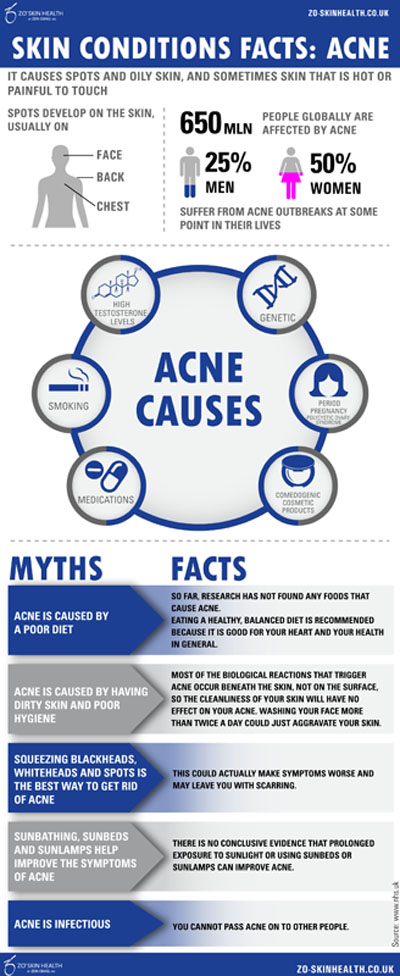
Common Myths About Acne Scar Treatment
Myth 1: Acne Scars Will Completely Fade Over Time
While some scars may appear to fade slightly due to natural skin regeneration, significant acne scars often require targeted treatment to improve their appearance. Without intervention, many scars—especially deeper ones like boxcar or ice pick scars—may remain noticeable indefinitely.
Fact: Natural fading is limited for most types of acne scars. Effective treatments, such as laser therapy or microneedling, are often necessary to enhance skin texture and tone.
Myth 2: DIY Remedies Can Cure Acne Scars
DIY solutions like lemon juice, baking soda masks, or toothpaste are often touted as miracle cures for acne scars. However, these remedies can irritate the skin and worsen pigmentation or texture irregularities.
Fact: There’s no scientific evidence supporting DIY remedies for significant acne scars. In fact, harsh ingredients may damage your skin barrier, making the issue worse. Always consult a dermatologist before trying unverified treatments.
Myth 3: Expensive Treatments Are Always Better
High price tags often make treatments feel more reliable, but price doesn’t guarantee effectiveness. Some affordable, evidence-backed treatments—like retinoids or chemical peels—can deliver excellent results when done consistently.
Fact: The success of acne scar treatments depends on the method, your skin type, and the expertise of the provider—not the cost alone.
Scientifically Proven Acne Scar Treatment Options
1. Topical Treatments: Retinoids and AHAs/BHAs
Topical retinoids (like tretinoin) and alpha hydroxy acids (AHAs) or beta hydroxy acids (BHAs) help increase skin cell turnover, improving mild acne scars and hyperpigmentation over time.
- What the science says: Retinoids are backed by studies that show their ability to stimulate collagen production, which can soften the look of scars.
- Practical tip: Use retinoids or exfoliating acids consistently, but avoid overuse to prevent irritation. Gradually introduce these into your routine.
2. Chemical Peels
Chemical peels use acids like glycolic acid or salicylic acid to exfoliate the skin and promote collagen production, which can improve the appearance of shallow scars.
- What the science says: Research has shown that medium-depth chemical peels can moderately improve acne scars.
- Practical tip: Consult a dermatologist for professional-grade peels rather than trying over-the-counter products for deeper scars.
3. Microneedling
Microneedling involves using small needles to create micro-injuries in the skin, encouraging collagen and elastin production.
- What the science says: A 2016 study revealed that microneedling significantly improved acne scars after multiple sessions.
- Practical tip: Schedule treatments with a trained professional to ensure safety and optimal results.
4. Laser Therapy
Laser treatments, such as fractional CO2 lasers or pulsed dye lasers, target deeper layers of the skin to rebuild collagen and smooth out scar tissue.
- What the science says: Lasers are considered one of the most effective options for moderate to severe scarring, with clinical studies backing their efficacy.
- Practical tip: Laser treatments typically require a series of sessions for noticeable results. Discuss your options with your dermatologist, as this can be pricey.
5. Dermal Fillers
For deeper, atrophic scars, dermal fillers (like hyaluronic acid) can temporarily lift the indented areas and smooth skin texture.
- What the science says: Research supports the use of fillers for immediate improvement in severe acne scars, though results are temporary and require maintenance.
- Practical tip: Ask your dermatologist about this option if you have deep scars and want faster results.
6. Subcision and Punch Excision
Subcision involves using a needle to break fibrous bands under the skin, which cause scars to appear sunken. Punch excision removes severe scars entirely before stitching the skin back together.
- What the science says: Both procedures are highly effective for severe, individual scars like ice pick or boxcar scars. Subcision is often paired with fillers for better results.
- Practical tip: These procedures should only be done by a qualified dermatologist or cosmetic surgeon.
How to Choose the Right Treatment
Selecting the proper acne scar treatment depends on your scar type, budget, and skin type. Here’s how to make an informed decision:
- Identify your scar type: Acne scars can be atrophic (indented), hypertrophic (raised), or pigmented. Each type requires a different approach.
- Consult a dermatologist: They’ll assess your scars and recommend treatments tailored to your needs and skin type.
- Budget accordingly: Some treatments, like topical products, are affordable, while certain procedures, like laser therapy, can be costly. Make a plan based on your financial comfort zone.
- Be patient: Scarring improvements take time and often require multiple sessions. Consistency is key.
Maintaining Results After Treatment
After treating acne scars, it’s essential to care for your skin to maintain results and prevent new issues. Here are some tips:
- Use sunscreen: Acne scars are prone to pigmentation. Regular sun protection prevents darkening and supports skin healing.
- Keep up with your skincare routine: Continue using dermatologist-recommended products to maintain healthy skin.
- Stay hydrated and eat well: A balanced diet rich in vitamins and antioxidants can support skin health from within.
- Avoid picking at your skin: Picking can cause further scarring, undoing progress from treatments.
Final Thoughts
Acne scars don’t have to define you. By separating myths from facts and exploring scientifically proven treatment options, you can find an effective solution that works for your skin. Remember, there’s no one-size-fits-all approach to scar treatment, so consult with a professional to personalize your plan. With patience and proper care, smoother, healthier skin is achievable.
Actionable Takeaway
Start your journey to smoother skin by scheduling a consultation with a dermatologist. Additionally, commit to daily sunscreen use and a consistent skincare routine tailored to your skin’s needs!