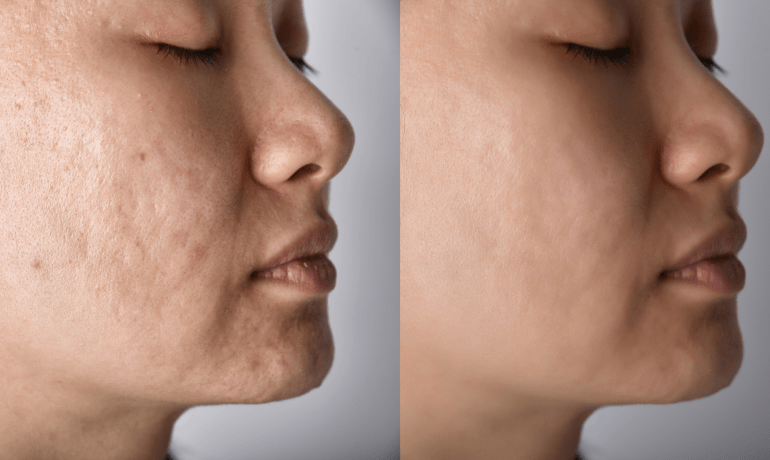
Understanding Acne Scars
Acne scars are a common concern for many individuals, especially those who’ve dealt with persistent acne in the past. They occur when the skin’s healing process produces either too much or too little collagen, resulting in raised scars (hypertrophic or keloid scars) or depressed scars (atrophic scars). Acne scars can impact your confidence, but the good news is that there are numerous treatments available to help diminish their appearance.
In this blog post, we’ll explore the most effective acne scar treatments, supported by scientific evidence, along with actionable advice on how to choose the best option for your skin type and lifestyle.
Types of Acne Scar Treatments
Acne scar treatments can broadly be categorized into at-home remedies, topical products, and professional procedures. Each option varies in effectiveness depending on the type and severity of the scars.
1. Topical Treatments
Topical treatments are a common first step for treating mild acne scars and improving skin texture. These products often include ingredients backed by scientific research for their skin-rejuvenating properties:
- Retinoids: Prescription-strength retinoids like tretinoin promote cell turnover and stimulate collagen production, helping to improve the appearance of atrophic scars over time. Studies have shown that retinoids are effective for reducing pigmentation and smoothing mild indentations.
- Alpha Hydroxy Acids (AHAs): AHAs, such as glycolic acid or lactic acid, are exfoliants that remove dead skin cells, reduce hyperpigmentation, and improve skin texture when used consistently.
- Vitamin C: Known for its brightening and collagen-boosting properties, vitamin C can fade post-inflammatory hyperpigmentation (PIH) and enhance overall skin tone.
- Silicone Gel Sheets: For raised scars, silicone sheets or gels can flatten and soften scar tissue by hydrating the skin and regulating collagen production.
Actionable Tip: Incorporate these products into your skincare routine gradually to avoid irritation and consult a dermatologist if you need prescription-strength options.
2. Chemical Peels
Chemical peels involve the application of acids to exfoliate the top layer of skin, encouraging new skin growth. Superficial peels with glycolic acid or salicylic acid can minimize pigmentation and improve mild scarring. For deeper scars, medium or deep peels such as those containing trichloroacetic acid (TCA) may be more effective.
Scientific Backing: A study published in Dermatologic Surgery found that TCA peels significantly improved skin texture and reduced the appearance of acne scars after several sessions.
Actionable Tip: Always get chemical peels performed by a licensed professional to avoid unwanted side effects, such as burns or worsening of scars.
3. Microneedling
Microneedling is a minimally invasive treatment that uses tiny needles to create micro-injuries in the skin, stimulating collagen and elastin production. This technique is particularly effective for treating atrophic scars.
Scientific Backing: Research in the Journal of Clinical and Aesthetic Dermatology showed that microneedling improved scar appearance in 80% of patients after multiple sessions.
Actionable Tip: While at-home microneedling devices exist, professional treatment yields safer and more noticeable results. Discuss this option with your dermatologist.
4. Laser Treatments
Laser therapy is among the most advanced solutions for acne scars. It involves using focused light energy to target scar tissue and stimulate skin regeneration. Popular options include:
- Fractional Laser Resurfacing: Targets deeper scars by encouraging collagen production.
- Pulsed Dye Laser (PDL): Suitable for reducing redness and discoloration in scars.
Scientific Backing: A study in Lasers in Surgery and Medicine found fractional laser therapy to be highly effective for improving the appearance of acne scars.
Actionable Tip: Laser treatments can be expensive and may require multiple sessions, so consult a dermatologist to explore your options and assess your budget.
5. Fillers
Dermal fillers are an excellent option for treating deep atrophic scars. These injectable treatments use hyaluronic acid or other substances to plump up indented scars and create a smoother skin surface.
Scientific Backing: Studies indicate that fillers can provide immediate improvements, though effects typically last for 6–18 months depending on the type of filler used.
Actionable Tip: Choose a board-certified dermatologist or cosmetic specialist for this procedure to ensure optimal results.
6. Subcision
Subcision is a minor surgical procedure where a dermatologist uses a needle to release the bands of collagen anchoring depressed scars to deeper layers of skin. The process allows the skin to rise and visibly reduces indented scars.
Scientific Backing: According to research in The Journal of Clinical and Aesthetic Dermatology, subcision combined with fillers or microneedling often yields excellent outcomes for deep, stubborn scars.
Actionable Tip: Subcision may require downtime, so schedule this treatment when you can rest and recover as needed.
Preventing Acne Scars
While treating existing scars is essential, prevention remains key. Here are some tips to minimize the risk of scarring:
- Avoid picking or popping pimples.
- Treat active acne promptly with dermatologist-recommended products.
- Use sunscreen daily to prevent pigmentation and protect scar-prone skin.
Choosing the Right Treatment
The best acne scar treatment depends on your scar type, skin tone, and budget. While mild scars can often be improved with topical treatments and chemical peels, more severe scars may require a combination of laser therapy, microneedling, fillers, or subcision.
Actionable Tip: Consult a board-certified dermatologist to create a personalized treatment plan tailored to your specific needs.
Final Thoughts
Acne scars can be challenging, but with the right treatment and care, significant improvement is possible. Whether you choose at-home remedies, topical products, or professional procedures, consistency and patience will play a major role in achieving smoother, healthier skin.
Remember, you don’t have to tackle acne scars alone—seek expert guidance to explore options that work best for you.
Your journey to clear skin starts today—why wait?