Does Sugar Cause Acne? Understanding Its Impact on Your Skin
When it comes to acne triggers, sugar often finds itself at the top of the list. But is sugar truly to blame for those pesky breakouts? Let’s delve into the science behind how sugar affects your skin and uncover actionable steps you can take to reduce its impact on acne.
The Link Between Sugar and Acne
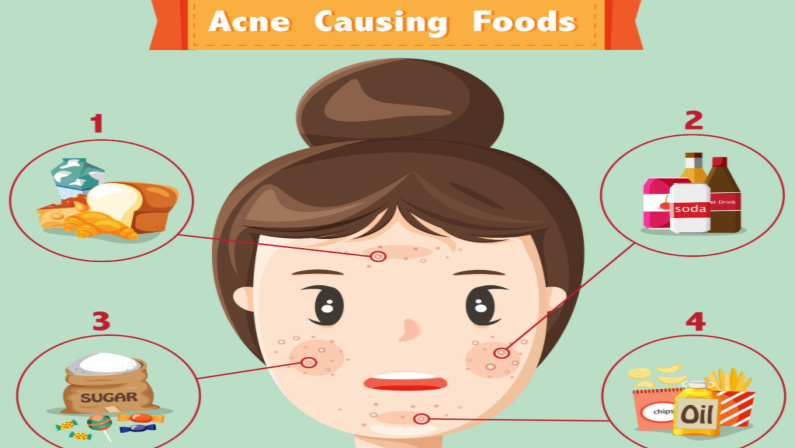
Sugar, especially in high quantities, can wreak havoc on your skin through a process called glycemic impact. Foods and drinks high in sugar, such as sodas, candies, and pastries, cause a spike in your blood sugar levels. This triggers your body to produce more insulin—a hormone that helps regulate blood sugar levels.
While insulin is essential, excess levels can lead to inflammation and increased production of androgens (male hormones), both of which are directly linked to acne. Additionally, high-sugar diets are associated with the overproduction of sebum, the oily substance that clogs pores and creates the perfect environment for acne-causing bacteria to thrive.
Scientific studies corroborate this connection. A 2012 study published in the American Journal of Clinical Nutrition found that individuals who consumed a low-glycemic diet experienced significantly fewer acne lesions compared to those on a high-glycemic diet. This highlights the importance of monitoring your sugar intake for clearer skin.
How Sugar Impacts Hormones and Skin Health
Hormonal imbalances play a significant role in acne development, and sugar is often the culprit behind these imbalances. When you eat sugar, your body releases insulin-like growth factor 1 (IGF-1), a hormone that has been shown to increase sebum production and stimulate skin cell growth, both of which contribute to clogged pores.
Furthermore, sugar exacerbates inflammation in the body. Chronic inflammation can worsen acne by making blemishes redder, more swollen, and slower to heal. If you’ve ever noticed that your breakouts look worse after indulging in sweets, inflammation could be the hidden reason.
Practical Tips to Reduce Sugar’s Impact on Acne
The good news is that you don’t have to give up sugar entirely to see improvements in your skin. By making mindful dietary changes, you can mitigate its effects and pave the way for clearer skin.
1. Choose Low-Glycemic Foods
Opt for foods that are less likely to cause blood sugar spikes. These include:
- Whole grains like quinoa, brown rice, and oats
- Vegetables such as broccoli, spinach, and kale
- Lean proteins like chicken, fish, and legumes
Low-glycemic diets have been shown to reduce acne severity over time, so incorporating these foods into your meals can be beneficial.
2. Cut Back on Added Sugars
Check food labels and avoid items with excessive added sugars. Common culprits include:
- Sugary drinks (soda, energy drinks, fruit punches)
- Processed snacks (cookies, cakes, and candies)
- Sweetened cereals
Instead, opt for naturally sweet alternatives like fresh fruits or unsweetened yogurt.
3. Stay Hydrated
Drinking plenty of water can help flush out toxins and keep your skin hydrated. Adequate hydration aids in managing inflammation and may prevent breakouts linked to sugar consumption.
4. Balance Your Meals
Pair carbohydrates with proteins and healthy fats to slow down the absorption of sugar into your bloodstream. For example, add almond butter to your toast or pair fruits with Greek yogurt.
5. Monitor Your Stress Levels
Stress can amplify sugar cravings and worsen hormonal fluctuations. Engage in stress-reducing activities like yoga, meditation, or regular exercise to keep both your mind and skin in balance.
The Bottom Line
While sugar isn’t the sole cause of acne, its impact on hormones, inflammation, and sebum production makes it an important factor to consider in your skincare journey. By reducing your intake of high-glycemic foods, staying hydrated, and balancing your meals, you can take control of your skin health and minimize acne flare-ups.
Remember, every person’s skin responds differently to dietary changes. Keep track of what works best for you and consult a dermatologist if your acne persists despite lifestyle adjustments.
Clear skin starts with small, consistent changes—so why not take the first step today?
Additional Resources:
- Learn more about low-glycemic foods here.
- Explore natural remedies for acne in our blog section.