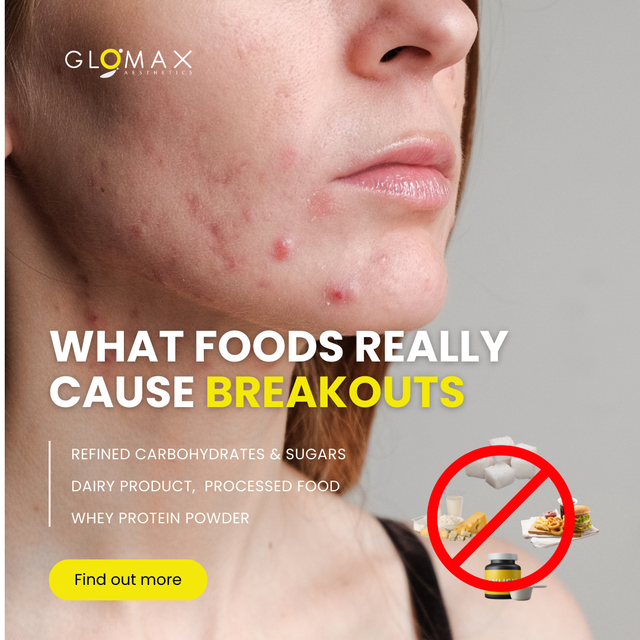
Does Sugar Cause Acne? The Sweet Truth About Sugar’s Impact on Skin
Sugar is everywhere—from your morning coffee to the hidden sugars in snacks and sauces. But for those struggling with acne, it’s natural to wonder: does sugar make it worse? While acne has multiple causes, research shows that your diet, particularly sugar consumption, can play a significant role in breakouts. Let’s explore the science behind sugar’s effect on acne and how you can fine-tune your diet for healthier skin.
The Science Behind Sugar and Acne
Acne develops when your pores become clogged with oil, dead skin cells, and bacteria. Hormonal fluctuations, genetics, and lifestyle factors all contribute to the condition. But diet, specifically foods with a high glycemic index (GI), has gained attention as a potential culprit.
What Is the Glycemic Index (GI)?
The glycemic index measures how quickly a food raises your blood sugar levels. High-GI foods, such as sugary snacks, white bread, and soda, cause blood sugar spikes, while low-GI foods, like vegetables, whole grains, and legumes, have a slower, more gradual effect.
How Sugar Triggers Acne
Eating high-GI foods can lead to a cascade of physiological changes that may worsen acne:
Increased Insulin Levels: High sugar intake causes your body to release insulin to lower blood sugar. Elevated insulin levels stimulate the production of androgens (hormones), which increase oil (sebum) production in the skin.
Inflammation: High sugar intake promotes chronic, low-grade inflammation in the body. Inflammation is a key driver of acne, contributing to redness, swelling, and the formation of pimples.
Impaired Hormonal Balance: Sugar-induced hormonal fluctuations can disrupt the delicate balance of hormones that regulate skin health, further aggravating acne.
A study published in the Journal of the American Academy of Dermatology found that individuals who consumed high-GI diets had more frequent and severe acne compared to those who followed low-GI diets. This provides strong evidence that cutting back on sugar could improve acne for many people.
Practical Tips to Reduce Sugar and Prevent Acne
The good news? You don’t have to give up all sugar to see an improvement in your skin. With small, consistent changes, you can reduce sugar’s impact and help your skin heal.
1. Opt for Low-Glycemic Foods
Focus on nutrient-dense, low-GI foods to stabilize your blood sugar and minimize insulin spikes. Here’s a quick list:
- Fruits & Vegetables: Berries, apples, spinach, and broccoli
- Whole Grains: Quinoa, brown rice, and steel-cut oats
- Healthy Proteins: Chicken, fish, lentils, and eggs
By replacing high-sugar snacks with these healthier options, you’ll not only support your skin but also boost your overall health.
2. Limit Sugary Beverages
Sugary drinks like soda, fruit juices, and sweetened coffee are among the biggest sources of added sugar. Switch to healthier alternatives such as:
- Water infused with lemon or cucumber
- Unsweetened herbal teas
- Black coffee or tea with a splash of milk (no sugar added)
3. Read Nutrition Labels
Sugar can hide in unexpected places, even in savory foods like pasta sauce, ketchup, and bread. Look for these common culprits on labels:
- High-fructose corn syrup
- Sucrose
- Dextrose
- Maltose
Aim for products labeled "no added sugar" or with less than 5 grams of sugar per serving.
4. Balance Blood Sugar with Protein and Fiber
Pairing proteins and healthy fats with carbs can slow down sugar absorption and keep blood sugar steady. For example, snack on:
- A handful of almonds with an apple
- Greek yogurt with chia seeds
- Whole-grain toast with avocado
5. Avoid Crash Dieting
Sudden, extreme caloric restriction can stress your body and trigger hormonal imbalances, potentially making acne worse. Instead, adopt a sustainable, balanced diet that supports long-term skin health.
Beyond Diet: Other Factors to Consider
While sugar reduction can support clearer skin, don’t overlook other potential acne triggers, such as:
- Skincare Routine: Use non-comedogenic products and cleanse your face twice daily.
- Stress Management: Practice mindfulness, yoga, or other stress-relieving activities to keep cortisol levels in check.
- Sleep: Prioritize 7–9 hours of quality sleep per night to allow your skin to repair and regenerate.
- Hydration: Drinking enough water helps flush out toxins and keeps your skin hydrated.
Can Cutting Sugar Clear Your Skin?
Reducing sugar intake won’t result in overnight acne miracles, but it can significantly improve your skin over time. Every individual’s skin responds differently, so it’s worth experimenting to see how your body reacts. Keep in mind that acne often requires a multi-faceted approach, combining dietary changes with a consistent skincare routine and, if needed, medical treatment from a dermatologist.
Takeaway
The link between sugar and acne is backed by science, and making mindful dietary changes can help you achieve healthier skin. Swap out high-sugar foods for low-GI alternatives, stay hydrated, and focus on balance rather than perfection. Your skin—and your overall well-being—will thank you for it.
Remember, if your acne persists despite dietary adjustments, consult a dermatologist for personalized advice and treatment options.