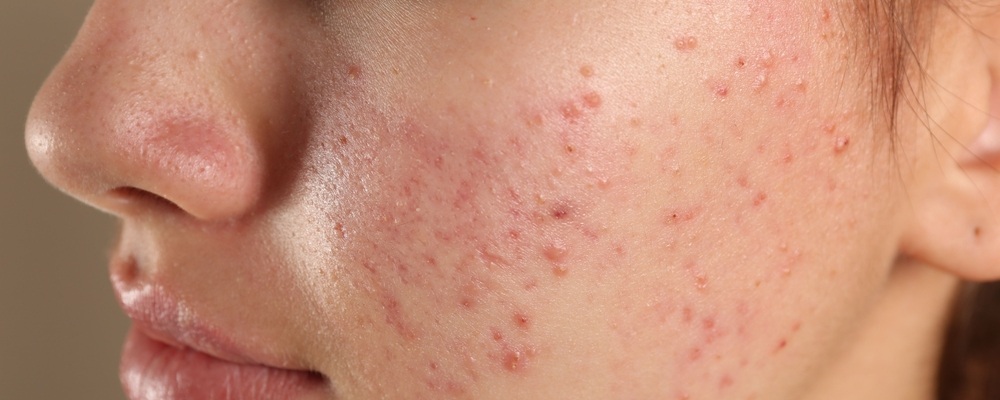
Does Dairy Cause Acne? Understanding the Connection and Solutions
If you're battling acne and wondering if your diet might be to blame, you're not alone. One of the most debated dietary culprits in the skincare world is dairy. Milk, cheese, yogurt, and other dairy products often find themselves in the spotlight when it comes to acne triggers. But is the connection real? Let’s dive deep into the science and uncover actionable tips for acne prevention.
The Science Behind Dairy and Acne
Hormones in Milk
One of the primary theories linking dairy to acne involves hormones. Milk naturally contains hormones such as insulin-like growth factor-1 (IGF-1) and androgens, which are known to stimulate oil production in the skin. Excess oil can clog pores and contribute to acne development. Additionally, dairy from pregnant cows (common in commercial milk production) may have even higher levels of these hormones.
Insulin Spikes from Dairy
Dairy products, especially milk, can trigger an insulin spike, leading to increased production of IGF-1. Elevated IGF-1 levels are associated with excess sebum (oil) production and inflammation—two major factors in acne formation. A 2012 study published in Advances in Dermatology and Allergology found that diets high in dairy could exacerbate inflammatory skin conditions, including acne.
The Role of Skim Milk
Interestingly, research suggests skim milk might be more problematic for acne than whole milk. A 2016 review in The Journal of the Academy of Nutrition and Dietetics noted that skim milk contains higher levels of bioavailable hormones and lacks fat, which may exacerbate acne symptoms. The addition of whey protein to skim milk may also play a role in triggering breakouts.
What Do Studies Say?
Several studies have explored the dairy-acne connection. Here are some key findings:
- A 2005 study in the Journal of the American Academy of Dermatology found that individuals consuming more milk had higher rates of acne. Interestingly, this study highlighted skim milk as being particularly problematic.
- A 2017 meta-analysis concluded that there is a positive association between dairy consumption and acne, but it cautioned that further research is needed to determine causality.
- A study in *Clinical, Cosmetic and Investigational Dermatology (2018) showed that teens who consumed more dairy had an increased prevalence of acne compared to those who consumed less. However, the study emphasized that other factors like genetics and lifestyle also play a role.
While the evidence suggests a link between dairy and acne, it’s important to note that not everyone who consumes dairy will experience breakouts. Genetics, hormones, and overall diet play significant roles in skin health.
Should You Quit Dairy?
Deciding whether to eliminate dairy is a personal choice and depends on your individual skin’s response to it. Here’s how you can determine if dairy is a contributing factor:
Step 1: Keep a Food Diary
Track your diet and skin condition for a few weeks. Note any changes in your acne when you consume dairy products. This will help identify patterns and potential triggers.
Step 2: Try an Elimination Diet
If you suspect dairy might be causing breakouts, try cutting it out for 4-6 weeks. Monitor your skin during this period and see if there’s a noticeable improvement. If your acne clears up, dairy could indeed be a contributor.
Step 3: Reintroduce Dairy Gradually
After the elimination phase, reintroduce dairy slowly. Start with small amounts of low-fat or fermented options like Greek yogurt, which may be less likely to trigger acne due to probiotic benefits. If breakouts return, this confirms dairy’s role in your skin issues.
Practical Tips for Managing Dairy-Induced Acne
If you suspect dairy is affecting your skin but don't want to give it up entirely, here are some actionable tips:
1. Choose Low-Fat or Fermented Dairy
Switch to low-fat dairy options or fermented products like kefir and yogurt. These may be less likely to trigger acne due to their probiotic content and lower hormone levels.
2. Experiment with Alternatives
Consider dairy-free alternatives like almond, soy, oat, or coconut milk. Many plant-based milks are fortified with calcium and vitamin D, ensuring you don’t miss out on essential nutrients.
3. Focus on a Balanced Diet
Acne is multifactorial, so maintaining a balanced diet rich in antioxidants, omega-3 fatty acids, and fiber can support overall skin health. Foods like leafy greens, salmon, walnuts, and berries can help fight inflammation and promote clear skin.
4. Stay Hydrated
Drinking plenty of water helps flush out toxins and keeps your skin hydrated, reducing the likelihood of clogged pores and breakouts.
5. Consult a Dermatologist
If you’re struggling to pinpoint the cause of your acne, consider consulting a dermatologist. They can help identify triggers and recommend personalized treatments or dietary adjustments.
The Bottom Line
The relationship between dairy and acne is complex and not fully understood, but research suggests there’s a connection for some people. By tracking your diet and experimenting with elimination, you can determine if cutting back on dairy improves your skin. Whether you decide to go dairy-free or simply make mindful adjustments, remember that skincare is deeply personal. What works for one person might not work for another.
Ultimately, a holistic approach combining proper skincare, a balanced diet, and expert advice is your best bet for achieving clear, healthy skin.
Tags
- Acne prevention
- Dairy-free skincare
- Hormonal acne
- Nutrition and skin health
- Elimination diet for acne
Read Time
8 minutes