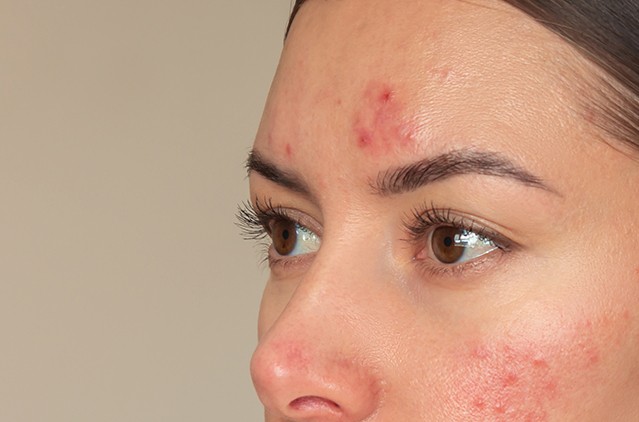
Does Dairy Really Cause Acne? The Truth Behind the Relationship
If you've ever struggled with acne, you’ve probably heard whispers that your morning latte or favorite cheese pizza might be to blame. But is there any truth to the idea that dairy causes acne? Let’s dive into the science, unpack how dairy might influence your skin, and explore steps you can take to minimize breakouts.
What Does the Science Say About Dairy and Acne?
The Connection Between Diet and Acne
Acne is a multifactorial condition, influenced by genetics, hormones, skin care habits, and yes—what you eat. While diet alone may not directly cause acne, emerging research suggests that certain foods, including dairy, could play a role in triggering or exacerbating breakouts.
The Research on Dairy and Acne
Multiple studies over the past decade have investigated the link between dairy consumption and acne. Some key findings include:
A 2016 meta-analysis published in the Journal of the Academy of Nutrition and Dietetics found a positive association between dairy intake and acne. Skim milk, in particular, was found to be more strongly correlated than other types of dairy.
Hormones in Milk: Milk contains naturally occurring hormones, including androgens and insulin-like growth factor-1 (IGF-1), which have been shown to stimulate oil production in the skin. Excess oil can clog pores and lead to the development of acne.
High Glycemic Load: Some dairy products, such as flavored yogurts or sweetened milks, can have a high glycemic index. High glycemic foods can spike insulin levels, which may aggravate acne by increasing inflammation and sebum production.
That said, it’s important to note that not everyone who consumes dairy will experience acne. Genetics and individual sensitivities play a significant role in determining whether dairy will impact your skin.
Why Skim Milk Seems to Be the Worst Offender
Interestingly, several studies point to skim milk as being more problematic for acne-prone individuals than whole milk. This could be due to the way skim milk is processed. Skim milk often contains added proteins like whey and casein to improve texture, both of which can stimulate acne-related pathways. Additionally, the lack of fat may lead to a higher insulin response compared to whole milk.
Should You Give Up Dairy to Prevent Acne?
Who Should Consider Reducing Dairy?
If you’ve noticed a pattern of breakouts after consuming dairy, it might be worth experimenting with reducing or eliminating it from your diet. People with hormone-sensitive or inflammatory acne may be more likely to benefit from cutting back on dairy.
How to Identify a Dairy-Acne Link
To determine if dairy is affecting your skin, try the following steps:
Keep a Food and Skin Journal: Track your dairy consumption alongside your skin condition for 2-4 weeks. Look for patterns, such as breakouts occurring a day or two after consuming dairy.
Eliminate Dairy Temporarily: Remove all dairy products (milk, cheese, yogurt, butter, etc.) from your diet for at least 4 weeks. This gives your skin enough time to adjust.
Reintroduce Dairy Gradually: If your skin clears up during the elimination phase, reintroduce dairy products one at a time to pinpoint which ones might be causing issues.
Dairy-Free Alternatives for Clearer Skin
The good news? There are plenty of dairy-free options available that won’t leave you missing out on your favorite foods. Consider these alternatives:
- Milk Substitutes: Swap cow’s milk for almond, oat, soy, or coconut milk. Unsweetened versions are best to avoid added sugars.
- Cheese Alternatives: Nut-based cheeses or nutritional yeast can replicate cheesy flavors in recipes.
- Yogurt Alternatives: Coconut or almond milk yogurts are creamy and delicious without the dairy.
Be mindful of the ingredients in some plant-based products, as they may contain added sugars or oils that can also trigger acne.
Holistic Tips for Managing Acne
Even if dairy isn’t the root cause of your acne, adopting healthy skincare and dietary habits can go a long way in improving your skin’s condition. Here are some tips:
- Follow a Balanced Diet: Focus on whole, nutrient-rich foods such as fruits, vegetables, whole grains, and lean proteins. Avoid high-glycemic foods and processed sugars, as they can contribute to acne.
- Stay Hydrated: Drink plenty of water to keep your skin hydrated and support detoxification.
- Practice Good Skincare: Wash your face twice daily with a gentle cleanser, and use non-comedogenic moisturizers and sunscreens.
- Manage Stress: Chronic stress can trigger hormonal imbalances, which may worsen acne. Incorporate stress-reducing practices like yoga or meditation.
- Consult a Dermatologist: If you’re struggling with persistent acne, a dermatologist can help create a personalized treatment plan.
Final Thoughts
The relationship between dairy and acne is complex and varies from person to person. While scientific evidence suggests a potential link, it’s not a guarantee that cutting out dairy will clear your skin. The best approach is to listen to your body, monitor how your skin reacts, and make adjustments accordingly. Remember, healthy skin is about more than just avoiding certain foods—it’s about taking care of yourself from the inside out.
If you suspect dairy might be affecting your skin, why not give a dairy-free trial a try? Who knows—it might be the key to unlocking your clearest complexion yet.