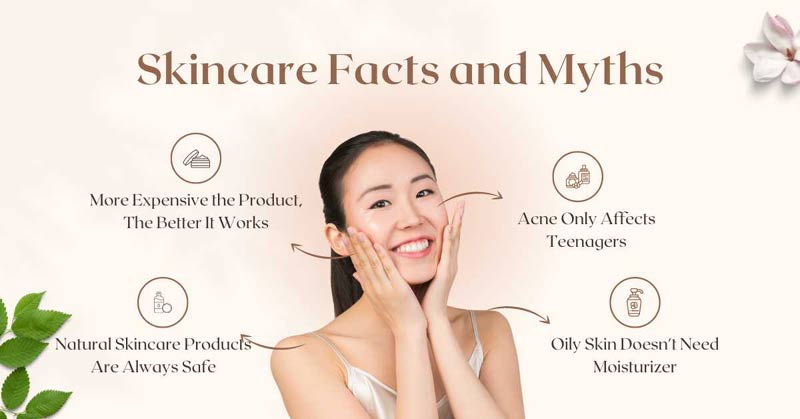
Does Dairy Really Cause Acne? Separating Myths from Facts
When it comes to acne, the internet is flooded with advice—some helpful, some misleading. One common claim you may have encountered is that dairy causes acne. But is this true? Does your morning latte or bowl of ice cream really have the power to wreak havoc on your skin? Let’s dive into the scientific evidence behind the dairy-acne relationship and uncover whether you need to rethink your diet.
The Science Behind Dairy and Acne
What Studies Tell Us
While acne has no single cause, research suggests that diet plays a role in its development—especially when it comes to dairy consumption. Studies have found associations between high dairy intake and acne prevalence. For example, a 2018 meta-analysis published in the Journal of the American Academy of Dermatology reviewed 14 studies and concluded that dairy products, particularly milk, are linked to higher rates of acne.
Why Dairy Might Affect Your Skin
The mechanisms behind dairy’s potential impact on acne are still being studied, but here are some theories:
Hormones and Growth Factors: Milk contains natural hormones and growth factors like insulin-like growth factor-1 (IGF-1). IGF-1 is known to stimulate oil (sebum) production and inflammation, both of which contribute to acne formation.
Insulin Spikes: Milk, especially skim milk, can cause a spike in insulin levels. Elevated insulin can also increase the production of IGF-1, further exacerbating acne.
Inflammatory Response: Some researchers believe dairy triggers an inflammatory response in susceptible individuals, which could worsen acne symptoms.
It’s important to note that these studies show associations, not direct causation. In other words, consuming dairy may not cause acne for everyone—other factors like genetics, skin type, and lifestyle also play significant roles.
Dairy and Acne: Myths vs. Facts
Myth: All Dairy Causes Acne
Fact: Not all dairy products have the same potential impact on your skin. For example, skim milk is more strongly linked to acne than whole milk or fermented products like yogurt. The reason might be related to the processing methods and sugar content, as skim milk often contains added sugars that could contribute to insulin spikes.
Myth: Cutting Out Dairy Will Cure Acne
Fact: While reducing dairy might help some people alleviate acne, there’s no guarantee that eliminating it will clear your skin entirely. Acne is influenced by multiple factors, including hormones, genetics, stress, and overall diet. Removing dairy is just one piece of the puzzle.
Myth: Dairy-Free Alternatives Are Always Better
Fact: Many dairy-free alternatives, like almond or oat milk, can also contain added sugars and emulsifiers, which might trigger acne in certain individuals. Choosing unsweetened options and reading labels is crucial to avoid unintended skin issues.
Practical Tips for Acne Sufferers
If you suspect dairy may be contributing to your acne, here are some actionable steps you can take to determine whether it’s a factor:
1. Evaluate Your Dairy Intake
Start by tracking how much dairy you consume daily. Pay attention to the type of dairy products you eat, like milk, cheese, yogurt, or ice cream. If most of your dairy comes from processed foods, it might be worth cutting back to see if your skin improves.
2. Try an Elimination Diet
Consider temporarily removing dairy from your diet for 4 to 6 weeks. This timeframe allows you to observe any changes in your skin. If you notice significant improvements, dairy might be a contributor. Reintroduce it slowly to pinpoint which products (if any) cause issues.
3. Choose Low-Glycemic Options
If you can’t part ways with dairy, opt for fermented products like plain yogurt or kefir. These options are not only lower on the glycemic index but also contain probiotics that may benefit your skin.
4. Adopt a Balanced Diet
Focus on maintaining a diet rich in fruits, vegetables, lean proteins, and healthy fats. Nutrients like zinc, vitamin A, and omega-3 fatty acids have been shown to support skin health and may reduce acne severity.
5. Consult a Dermatologist
If you’re struggling with persistent acne, it’s always a good idea to seek professional advice. A dermatologist can help identify underlying triggers and recommend effective treatments.
Final Words
The relationship between dairy and acne can be tricky—what works for one person may not work for another. While scientific evidence suggests a link, it’s not a universal rule. Acne is a multifactorial condition influenced by diet, hormones, genetics, and lifestyle. If you’re considering cutting out dairy, be patient, and pay close attention to your body’s responses.
Remember, clearer skin starts with understanding your unique needs. With a little trial and error and expert guidance, you’ll be on your way to building a skincare routine and diet that work best for you.
Key Takeaways
- Studies suggest an association between dairy consumption and acne, but it’s not a direct cause for everyone.
- Skim milk is more strongly linked to acne than whole milk or fermented dairy.
- Eliminating dairy may help manage acne, but results vary depending on individual factors.
- Focus on a balanced diet and consult a dermatologist for personalized advice.
Let us know in the comments: Have you noticed a connection between dairy and your skin? What changes have worked for you?