Do Oily Skin Need Moisturizer? Myths vs Facts for Acne Care
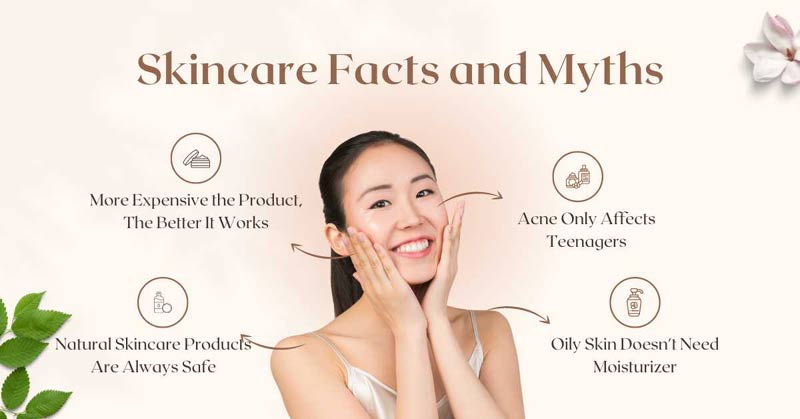
When it comes to skincare, one of the most common myths about oily, acne-prone skin is that it doesn’t need moisturizer. Many people worry that moisturizers will make their skin greasier or worsen breakouts. If you’ve been avoiding moisturizers for these reasons, this blog post is here to clear up the confusion once and for all.
Why Moisturizer Matters for Oily Acne-Prone Skin
Contrary to popular belief, even oily skin needs hydration. Here’s why:
Oil Is Not the Same as Hydration: While oily skin produces excess sebum, that doesn’t mean it’s properly hydrated. Sebum is oil, not water, and skipping moisturizer can lead to dehydration. When your skin lacks water, it may overcompensate by producing even more oil, worsening greasiness and potentially aggravating acne.
Compromised Skin Barrier: Many acne treatments, like salicylic acid or benzoyl peroxide, can dry out the skin and damage its protective barrier. A well-formulated moisturizer helps repair and maintain this barrier, preventing irritation and inflammation—both of which can worsen acne.
Balance Is Key: Moisturizers don’t have to be heavy or greasy. Choosing the right one for your skin type can help balance oil production, reduce shine, and keep your skin healthier overall.
Common Myths About Moisturizers for Oily Skin
Let’s bust some myths:
Myth 1: Moisturizers Make Oily Skin Oilier
Fact: Not all moisturizers are created equal. Some heavy, occlusive formulas may exacerbate shine, but lightweight, non-comedogenic moisturizers are specifically designed for oily and acne-prone skin. Look for water-based, gel, or oil-free formulations to avoid clogged pores.
Myth 2: Skipping Moisturizer Will Reduce Breakouts
Fact: Avoiding moisturizers can actually make breakouts worse. Dehydrated skin may produce more oil to compensate, clogging pores and leading to new blemishes. Moreover, irritation from dryness can trigger inflammation, making existing acne worse.
Myth 3: Natural Oils Are Better Than Store-Bought Moisturizers
Fact: While some natural oils, like jojoba or squalane, can be beneficial, they’re not always suitable for acne-prone skin. Pure oils may clog pores if not used carefully and don’t provide the humectant benefits (water-binding hydration) that many moisturizers offer. Stick to products labeled as non-comedogenic and specifically formulated for oily skin.
Ingredients to Look for in a Moisturizer
When selecting a moisturizer for oily, acne-prone skin, choosing the right ingredients is crucial. Here are some key components to look for:
1. Hyaluronic Acid
Known for its incredible ability to hold water, hyaluronic acid hydrates the skin without adding oil. It plumps and smooths skin while maintaining moisture levels.
2. Niacinamide
A form of Vitamin B3, niacinamide helps regulate oil production, reduces redness, improves texture, and strengthens the skin barrier.
3. Ceramides
Ceramides are essential lipids that work to restore the skin barrier and lock in moisture. They’re particularly useful if your skin feels dehydrated after acne treatments.
4. Salicylic Acid
A BHA (beta-hydroxy acid) that helps exfoliate and unclog pores, salicylic acid can be included in moisturizers for acne-prone skin. It gently removes dead skin cells while hydrating the skin.
5. Glycerin
A humectant that draws water into the skin, glycerin provides lightweight hydration, making it ideal for oily skin.
Ingredients to Avoid
Some ingredients can aggravate oily or acne-prone skin. Steer clear of:
- Heavy oils, like coconut oil and cocoa butter, which can clog pores.
- Alcohol-based products, which can cause dryness and trigger excess oil production.
- Fragrances and dyes, which may irritate sensitive skin.
How to Choose the Right Moisturizer for Your Skin
Here’s a practical guide to help you find the perfect moisturizer:
1. Look for “Non-Comedogenic” Labels
Non-comedogenic products are specifically formulated to avoid clogging pores, making them ideal for acne-prone skin.
2. Opt for Lightweight Formulas
Choose gel-based or water-based moisturizers rather than thick creams. These formulas absorb quickly and don’t leave a greasy residue.
3. Consider SPF
If you’re not using a separate sunscreen, opt for a moisturizer with SPF 30 or higher. Sun protection is crucial for preventing post-acne marks from darkening and promoting overall skin health.
4. Patch Test New Products
When trying a new moisturizer, test it on a small area of your skin first to ensure it doesn’t cause irritation or breakouts.
Recommended Moisturizers for Oily Acne-Prone Skin
Here are some popular dermatologist-recommended options:
- Neutrogena Hydro Boost Water Gel: Contains hyaluronic acid and is lightweight, making it perfect for oily skin.
- Cetaphil Oil Control Moisturizer SPF 30: Non-comedogenic and oil-absorbing with built-in sun protection.
- La Roche-Posay Effaclar Mat Moisturizer: Helps control shine and reduce oil while moisturizing.
- CeraVe PM Facial Moisturizing Lotion: Packed with niacinamide and ceramides to repair the skin barrier overnight.
Final Thoughts
Moisturizers are not the enemy of oily, acne-prone skin—in fact, they’re an essential part of a balanced skincare routine. By choosing lightweight, non-comedogenic formulations with beneficial ingredients like hyaluronic acid and niacinamide, you can hydrate your skin without clogging pores or exacerbating acne.
Remember, everyone’s skin is unique, so it may take some trial and error to find the right moisturizer for you. Pair your moisturizer with other acne treatments and follow consistent skincare practices for the best results. Your skin deserves care, hydration, and balance—no matter how oily it may be.
Are you ready to embrace moisturizing as part of your journey to healthy, clear skin? Share your thoughts or questions in the comments below!