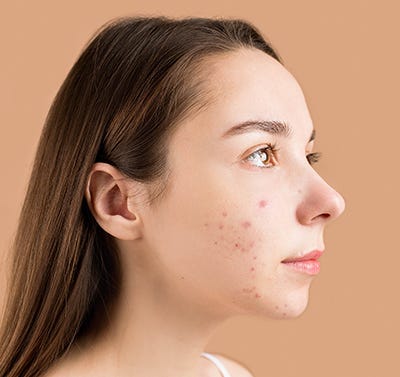
Understanding the Dairy-Acne Connection
For years, many acne sufferers have pondered whether their diet could be a hidden trigger for their breakouts. A common suspect? Dairy products. This blog post will delve into the potential relationship between dairy and acne, backed by scientific research, and provide practical tips for those considering dietary changes.
The Science Behind Dairy and Acne
The link between dairy consumption and acne isn't just anecdotal; there's scientific evidence that suggests a connection. Studies have indicated that milk, especially skim milk, may exacerbate acne. One theory is that milk contains hormones like insulin-like growth factor-1 (IGF-1) that can increase sebum production and inflammation, both contributors to acne.
A well-cited study published in the Journal of the Academy of Nutrition and Dietetics found that teenagers who consumed more milk tended to report higher levels of acne. However, it's essential to note that these studies often highlight a correlation rather than causation, meaning that while dairy might contribute to acne in some individuals, it is not the root cause for everyone.
Why Skim Milk?
Interestingly, skim milk has been more consistently linked to acne than full-fat milk. The reason could be due to the processing methods that result in higher levels of certain bioactive molecules in skim milk. These molecules might interact with your body's hormones, potentially exacerbating acne.
Does Yogurt and Cheese Cause Acne?
The impact of yogurt and cheese on acne is less clear. Some people find that fermented dairy products like yogurt do not affect their skin the same way milk does. This could be due to the probiotic content in yogurt, which may help reduce inflammation. However, more research is needed in this area to make definitive claims.
Practical Tips for Managing Acne with Diet
If you're considering cutting back on dairy to see if it improves your acne, here are some practical steps you can take:
Start a Food Diary: Track what you eat and note any changes in your skin's condition. This will help you identify if dairy or any other food might be triggering your breakouts.
Try a Dairy Elimination Diet: Gradually reduce your dairy intake and monitor your skin for any improvements. Remember that changes might take several weeks to show.
Look for Alternatives: Experiment with dairy alternatives, such as almond, soy, or oat milk. These can be great substitutes in your daily diet.
Include Probiotics: If cutting out dairy isn’t an option, consider incorporating probiotics into your diet. Probiotics can support a healthy gut, which has been linked to improvements in acne.
Consult a Healthcare Professional: Before making significant dietary changes, it's wise to consult with a dermatologist or a nutritionist to ensure you're making informed decisions.
Conclusion
While the debate about dairy and acne continues, the evidence suggests that reducing dairy consumption could be beneficial for some individuals. Like many aspects of skincare, the effects of diet on acne can be highly individual. By understanding the potential link and experimenting with your diet, you may find a clearer complexion awaits you. Always remember that managing acne might require a combination of dietary changes, skincare routines, and professional guidance.
Final Thoughts
Exploring the connection between dairy and acne can be a worthwhile endeavor for many, but it's crucial to approach it with patience and persistence. Dietary changes might not provide immediate results, but over time, they can contribute significantly to your skin's health and overall well-being.
Armed with the right information and a willingness to experiment, you can take charge of your skin health and potentially turn the tide against acne.