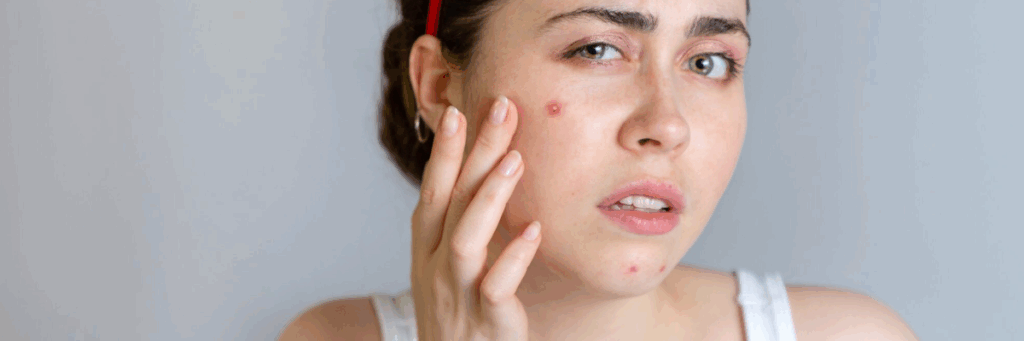
Dairy and Acne: What’s the Connection?
If you’ve been battling breakouts, you might have heard claims that cutting out dairy could clear up your skin. But is this just another skincare myth, or is there real science behind it? Let’s dive into the research, separate fact from fiction, and explore whether your morning latte might be contributing to your acne.
The Science Behind Acne
Before we delve into dairy, it’s important to understand what causes acne. Acne occurs when your pores become clogged with oil, dead skin cells, and bacteria. Hormones, genetics, and lifestyle factors like diet can influence how often this happens.
One key player in acne development is sebum, the oily substance produced by your skin’s sebaceous glands. When sebum production goes into overdrive—often due to hormonal fluctuations—it can increase the likelihood of clogged pores and inflammation, leading to acne.
What Does the Research Say About Dairy and Acne?
The idea that dairy could worsen acne isn’t new. In fact, several studies have examined this potential link. Here’s what the research reveals:
1. Dairy Can Increase Insulin-Like Growth Factor-1 (IGF-1)
Dairy products, especially milk, are known to increase levels of IGF-1, a hormone that can stimulate sebum production and inflammation. A 2018 review published in the Journal of the Academy of Nutrition and Dietetics found that higher IGF-1 levels are associated with an increased risk of acne.
2. Milk and Hormones
Most commercial milk contains natural hormones from cows, including androgens, which can mimic the hormones in our bodies that contribute to acne. Skim milk, in particular, has been linked to acne in several studies. For instance, a 2005 study in the Journal of the American Academy of Dermatology found that teenagers who drank more milk—especially skim milk—were more likely to experience acne.
3. Fermented Dairy and Acne
Interestingly, not all dairy products seem to have the same effect. Fermented dairy, like yogurt and kefir, may actually benefit your skin. These products contain probiotics, which can reduce inflammation and improve gut health—both of which are critical for healthy skin.
Is the Dairy-Acne Link the Same for Everyone?
While the evidence suggests a potential connection between dairy and acne, it’s important to remember that everyone’s skin is different. Some people can consume dairy without any problems, while others might see a direct correlation between their dairy intake and breakouts. Genetics, hormonal levels, and other lifestyle factors all play a role in how your skin reacts to dairy.
Should You Cut Out Dairy? Practical Tips
If you suspect dairy could be aggravating your acne, here are some actionable steps to take:
1. Keep a Food and Skin Diary
Track your dairy consumption and observe how your skin reacts. Record your meals and acne flare-ups over several weeks to identify patterns. This can help you determine if dairy is a trigger for you.
2. Try a Dairy Elimination Diet
Consider cutting out dairy completely for 4–6 weeks to see if your skin improves. If your acne clears up, you can reintroduce dairy gradually to identify which types (milk, cheese, yogurt, etc.) affect your skin the most.
3. Experiment with Dairy Alternatives
Switch to plant-based milk alternatives like almond, oat, or soy milk. Opt for unsweetened versions to avoid excess sugar, which can also contribute to acne.
4. Focus on Probiotics
If you enjoy fermented dairy like yogurt, opt for unsweetened, plain varieties with live probiotics. Alternatively, you can add probiotic supplements or fermented foods like kimchi and sauerkraut to your diet.
5. Consult a Dermatologist
If you’re unsure whether dairy is affecting your skin, consult with a dermatologist. They can help you identify triggers and develop a personalized skincare regimen.
Other Factors to Consider
While dairy may contribute to acne for some people, it’s not the sole cause. Other dietary and lifestyle factors can also play a significant role, including:
- High Glycemic Foods: Sugary and processed foods can spike insulin levels, potentially worsening acne.
- Stress Levels: Stress triggers hormonal changes that can exacerbate breakouts.
- Poor Skincare Habits: Using products that clog pores or not cleansing properly can also lead to acne.
Bottom Line: Should You Ditch Dairy?
The relationship between dairy and acne isn’t black and white. While research suggests that dairy, particularly milk, might contribute to breakouts for some people, it doesn’t affect everyone. The best approach is to listen to your body and monitor how your skin responds to dietary changes.
If you suspect dairy is a trigger, don’t fret—you can experiment with alternatives and consult a dermatologist to find a sustainable solution that works for you. Remember, healthy skin isn’t just about what you eat; it’s also about maintaining a balanced lifestyle and skincare routine.
Do you think dairy could be affecting your skin? Share your experiences in the comments below—your journey might help others, too!