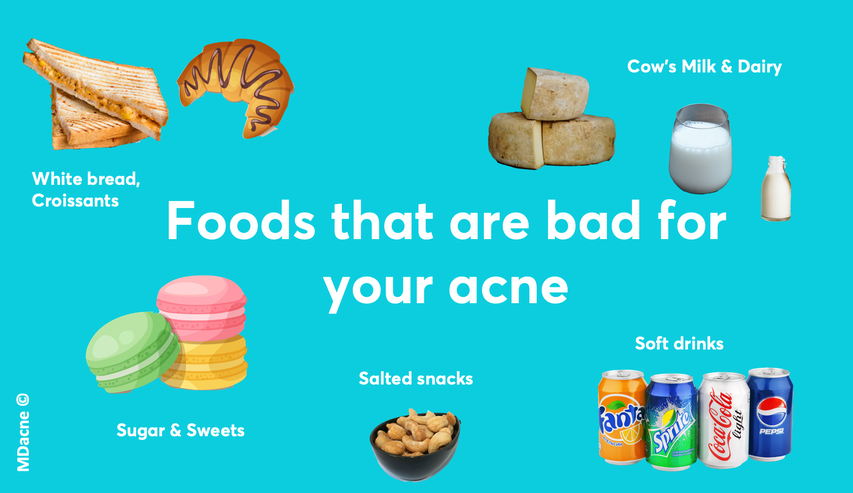
Dairy and Acne: Can Your Diet Cause Breakouts?
For years, dermatologists have debated whether the food we eat plays a role in acne, the most common skin condition affecting millions worldwide. While no single factor causes acne, research shows that diet might influence it—and dairy has emerged as a potential culprit. If you're struggling with stubborn spots, understanding the connection between dairy and acne can help you make informed decisions about your lifestyle and skincare routine.
What Causes Acne?
Before diving into dairy, it's important to understand the science behind acne. Acne develops when hair follicles become clogged with oil (sebum) and dead skin cells. Bacteria in the pores can then trigger inflammation, leading to pimples, blackheads, and cysts. Hormonal changes, genetics, stress, and certain medications can all exacerbate acne.
Diet has traditionally been downplayed as a contributing factor, but recent studies suggest that specific foods may influence sebum production, inflammation, and hormonal activity—all of which play a role in acne development.
Dairy and Acne: What Does the Research Say?
Over the past decade, several studies have examined the relationship between dairy intake and acne. Here are the key findings:
1. Hormones in Milk
Cow's milk contains natural hormones, such as insulin-like growth factor 1 (IGF-1), which is known to stimulate sebum production and skin cell growth. Elevated levels of IGF-1 have been linked to acne. Additionally, milk from pregnant cows contains estrogen, which may disrupt hormonal balance in humans and contribute to breakouts.
2. Skim Milk vs. Whole Milk
Interestingly, studies show that skim milk is more strongly associated with acne than whole milk. This might be because skim milk contains higher levels of certain bioactive molecules that can trigger inflammation and hormonal imbalances. A 2016 meta-analysis found that individuals who drank more milk—particularly skim milk—had a higher likelihood of developing acne.
3. Other Dairy Products
While most research focuses on milk, some studies suggest that other dairy products, such as cheese and yogurt, may also contribute to acne. However, fermented dairy products like yogurt may have a lesser impact due to their probiotic content, which can benefit gut health and reduce inflammation.
Why Does Dairy Affect Acne for Some People?
Not everyone who consumes dairy will experience acne, and the severity of the impact varies between individuals. This may be due to factors like genetics, underlying hormonal conditions, or sensitivities to dairy proteins. For those predisposed to acne, the hormonal and inflammatory effects of dairy could tip the scales and worsen breakouts.
Practical Tips: Should You Cut Out Dairy?
If you suspect dairy is triggering your acne, consider these actionable steps:
1. Keep a Food Diary
Track your diet and skin changes to identify patterns. If you notice flare-ups after consuming dairy, it might be worth experimenting with a dairy-free diet.
2. Try Dairy Alternatives
Switch to non-dairy milk options like almond, oat, soy, or coconut milk. Many of these alternatives are fortified with calcium and vitamin D, so you won’t miss out on essential nutrients.
3. Give It Time
If you decide to go dairy-free, give it at least 4-6 weeks to see if your skin improves. Acne often takes time to respond to dietary changes.
4. Opt for Probiotic-Rich Foods
If you enjoy yogurt, look for dairy-free, probiotic-rich alternatives, which can benefit gut health and potentially reduce inflammation.
5. Consult a Dermatologist
Before making significant dietary changes, consult with a dermatologist or registered dietitian. They can help you navigate potential food triggers and build a personalized acne treatment plan.
Beyond Dairy: Other Lifestyle Factors to Consider
While dairy may play a role in acne for some people, it’s not the sole culprit. Here are other lifestyle factors to keep in mind:
- High Glycemic Foods: Sugary and refined carbs can spike insulin levels, potentially worsening acne.
- Stress: Chronic stress triggers cortisol release, which can exacerbate inflammation and skin issues.
- Skincare Routine: Using products that suit your skin type is crucial for managing acne.
- Hydration: Drinking enough water helps flush out toxins and keep your skin balanced.
Final Thoughts
The relationship between dairy and acne is complex and varies from person to person. While scientific evidence suggests a link, cutting out dairy isn’t a guaranteed cure for everyone. The key is to pay attention to your body and identify what works best for you. By making small, targeted lifestyle changes—whether it’s reducing dairy, improving your skincare routine, or managing stress—you can take meaningful steps toward clearer, healthier skin.
Remember, acne is highly individual, and no single solution fits all. If you're unsure about how diet or other factors impact your skin, professional guidance can help you find the answers you need.
Additional Resources
- "The Role of Diet in Acne: Review of the Evidence" – Journal of the Academy of Nutrition and Dietetics
- "Milk Consumption and Acne in Adolescents" – Dermatology Online Journal
- The American Academy of Dermatology’s guidelines on acne treatment options
Share Your Experience
Have you noticed a connection between dairy and your skin? Share your story in the comments below—we’d love to hear from you!