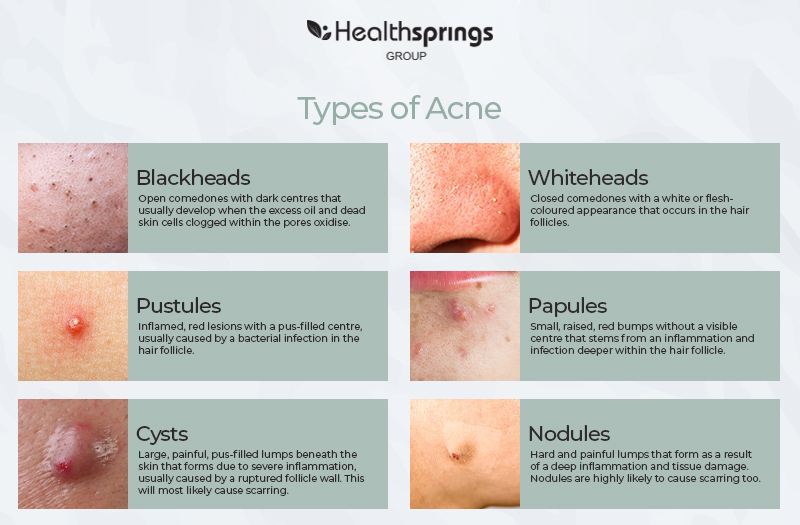
What Is Cystic Acne?
Cystic acne is a severe form of acne that occurs when pores become deeply clogged with oil, dead skin cells, and bacteria. Unlike other forms of acne, cystic acne manifests as large, painful, red bumps that can feel tender to the touch. These lesions often develop deeper within the skin, making them harder to treat and more likely to leave scars if not managed correctly.
Cystic acne is typically caused by hormonal fluctuations, genetic predisposition, and environmental factors. It’s most common among teenagers and young adults but can persist well into adulthood. Understanding its unique nature is the first step to effective treatment.
Why Cystic Acne Requires Special Attention
Unlike mild acne types, cystic acne can’t simply be treated with over-the-counter solutions. The deep inflammation requires targeted therapies that address the root causes. If left untreated, cystic acne can lead to permanent scarring, emotional distress, and long-term skin damage.
The good news? With advancements in dermatology and skincare, there are proven, effective treatments available. Let’s explore these options and actionable tips for managing cystic acne.
Treatment Options for Cystic Acne
1. Prescription Medications
For moderate to severe cystic acne, dermatologists often recommend prescription treatments, which can include:
Oral Antibiotics: These reduce bacteria and inflammation in the skin. Common options include doxycycline and minocycline. They’re typically used for a short duration to avoid antibiotic resistance.
Isotretinoin (Accutane): A powerful medication derived from vitamin A, isotretinoin targets the root causes of acne, including excess oil production, clogged pores, and inflammation. It’s highly effective but comes with potential side effects, so it’s essential to consult your dermatologist.
Hormonal Treatments: For women, hormonal therapy such as birth control pills or spironolactone can balance hormone levels and reduce breakouts caused by hormonal fluctuations.
2. Topical Treatments
Topical solutions can complement oral medications and help manage cystic acne. Common options include:
Retinoids: These vitamin A derivatives promote skin cell turnover and prevent clogged pores. Adapalene and tretinoin are popular choices.
Benzoyl Peroxide: This antimicrobial ingredient targets acne-causing bacteria and reduces inflammation. Look for formulations specifically designed for sensitive skin to avoid irritation.
Salicylic Acid: A beta-hydroxy acid (BHA) that exfoliates and unclogs pores. Salicylic acid is often found in cleansers and spot treatments.
3. In-Office Procedures
If your cystic acne is resistant to medications, professional treatments may provide relief:
Corticosteroid Injections: These injections reduce inflammation and flatten cysts quickly, making them an excellent option for painful, swollen acne lesions.
Chemical Peels: Dermatologists can use specialized peels with ingredients like salicylic acid or glycolic acid to exfoliate dead skin and reduce acne flare-ups.
Laser Therapy: Light-based treatments target acne-causing bacteria and inflammation, helping reduce cystic acne and prevent future breakouts.
Practical Tips for Managing Cystic Acne
Build a Gentle, Effective Skincare Routine
A consistent skincare routine that avoids harsh ingredients is crucial for managing cystic acne. Follow these steps:
- Cleanse: Use a gentle, non-comedogenic cleanser to remove dirt and oil without irritating the skin. Avoid scrubbing or using abrasive tools.
- Treat: Apply acne-specific treatments like salicylic acid or benzoyl peroxide to active cysts. Talk to your dermatologist about prescription options if over-the-counter treatments aren’t effective.
- Moisturize: Hydration is essential, even for acne-prone skin. Opt for lightweight, oil-free moisturizers to maintain your skin barrier.
- Protect: Always wear sunscreen to prevent hyperpigmentation and scarring. Choose a non-comedogenic formula.
Avoid Common Triggers
Certain habits can worsen cystic acne. Avoid these triggers:
- Touching Your Face: Picking or squeezing cysts can worsen inflammation and lead to scarring.
- Using Pore-Clogging Products: Check labels for “non-comedogenic” to ensure products won’t clog your pores.
- Skipping Sunscreen: UV exposure can darken acne scars and slow healing.
- Stress: Emotional stress can exacerbate acne by increasing cortisol and oil production. Practice stress-management techniques like meditation or exercise.
Eat a Skin-Friendly Diet
Although the link between diet and acne is not fully understood, research suggests certain foods may contribute to breakouts. To support skin health:
- Limit Dairy: Dairy products, especially skim milk, have been associated with increased acne severity in some studies.
- Avoid High-Glycemic Foods: Sugary snacks and refined carbs can spike insulin levels, potentially worsening acne.
- Include Anti-Inflammatory Foods: Opt for omega-3-rich foods like salmon and walnuts, along with fruits and vegetables high in antioxidants.
When to Seek Professional Help
If your cystic acne persists despite following these tips, consult a dermatologist. Signs you may need professional intervention include:
- Acne that doesn’t respond to over-the-counter products within two months.
- Painful cysts causing significant discomfort.
- Scarring or dark spots from previous breakouts.
A tailored treatment plan can make all the difference in your journey to clearer skin.
Final Thoughts on Cystic Acne Treatment
Managing cystic acne can be challenging, but with the right treatments and skincare practices, improvement is possible. Remember, patience is key—most treatments take time to show results. Partner with a dermatologist to ensure you’re addressing both the symptoms and underlying causes. With consistent care, you can reduce breakouts, minimize scars, and regain your confidence.
Take proactive steps today, and don’t hesitate to seek professional help if needed. Your skin deserves the best care!