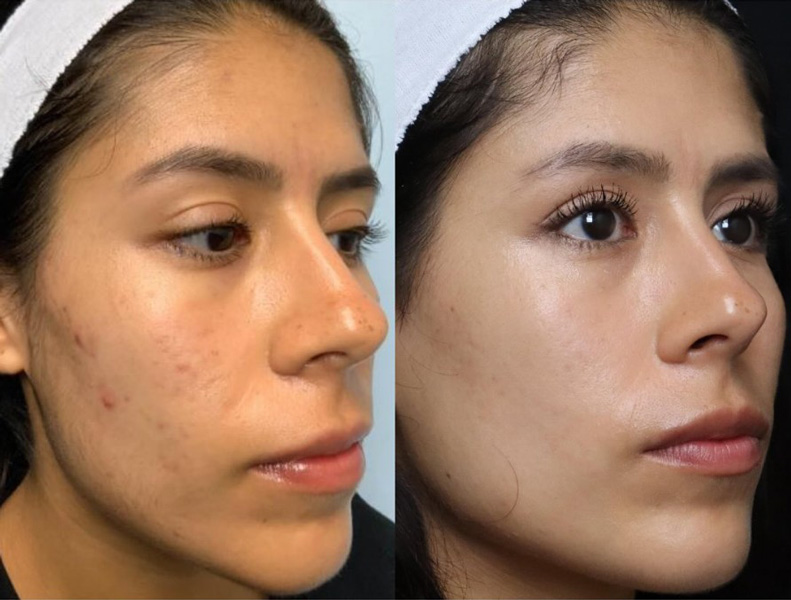
Understanding Cystic Acne
Cystic acne is a severe form of acne characterized by deep, inflamed lesions that can cause significant discomfort and emotional distress. These painful, pus-filled cysts form when oil ducts become clogged and infected. Unlike typical acne, cystic acne penetrates deep into the skin, often resulting in scarring if not managed properly.
Causes of Cystic Acne
Cystic acne can be attributed to a combination of genetic, hormonal, and environmental factors. During puberty, the increase in androgen hormones can lead to excessive oil production, creating an ideal environment for acne-causing bacteria. In some cases, stress and diet may exacerbate the condition.
Scientifically-Backed Treatment Options
1. Topical Retinoids
Topical retinoids, such as tretinoin, are derivatives of Vitamin A that help unclog pores and reduce inflammation. Studies have shown that retinoids are effective in treating both inflammatory and non-inflammatory acne lesions.
Actionable Tip: Apply a pea-sized amount of retinoid cream in the evening to clean, dry skin. Start with lower concentrations to minimize irritation.
2. Oral Antibiotics
Oral antibiotics like doxycycline and minocycline work by reducing bacteria and inflammation. They are often prescribed for moderate to severe acne, including cystic acne.
Actionable Tip: Use oral antibiotics under the supervision of a dermatologist to avoid side effects and antibiotic resistance.
3. Hormonal Therapy
For women, hormonal therapy can be effective in managing cystic acne. Birth control pills or anti-androgen medications like spironolactone can regulate hormones and reduce acne outbreaks.
Actionable Tip: Discuss hormonal therapy options with your healthcare provider to determine the best plan for your needs.
4. Isotretinoin (Accutane)
Isotretinoin is a potent oral medication commonly prescribed for severe cystic acne. It reduces oil production, inflammation, and bacteria, leading to long-term remission for many patients.
Scientific Insight: According to studies, isotretinoin is effective in approximately 85% of patients, with significant improvements noted within 16-20 weeks of treatment.
Actionable Tip: Isotretinoin requires careful monitoring due to potential side effects, including birth defects. Regular blood tests and pregnancy prevention measures are essential for those on this medication.
Practical Skincare Routine
1. Gentle Cleansing
Use a gentle, non-comedogenic cleanser to wash your face twice daily. Harsh scrubbing can irritate the skin and worsen cystic acne.
2. Moisturizing
Despite oily skin, moisturizing is crucial. Opt for oil-free, non-comedogenic moisturizers to maintain skin hydration and barrier function.
3. Sun Protection
Sunscreen is vital, especially if you're using treatments that increase sun sensitivity. Choose a broad-spectrum SPF of 30 or higher.
Lifestyle Modifications
1. Diet and Nutrition
Some evidence suggests that a low-glycemic diet may reduce acne severity. Foods high in sugar and dairy may exacerbate acne for some individuals.
Actionable Tip: Consider keeping a food diary to track potential dietary triggers for your acne.
2. Stress Management
Stress can worsen acne by increasing androgen production. Incorporating stress-reducing activities like yoga or meditation can benefit your skin.
When to Seek Professional Help
If over-the-counter treatments and lifestyle changes are not effective, or if you experience severe cystic acne, it’s important to seek help from a dermatologist. Professional treatments and prescriptions can offer targeted care and prevent long-term skin damage.
Conclusion
Cystic acne is a challenging condition that requires a comprehensive treatment approach. By understanding the causes and treatments, and with guidance from a healthcare provider, you can achieve healthier, clearer skin. Remember, patience and consistency are key in managing cystic acne effectively.