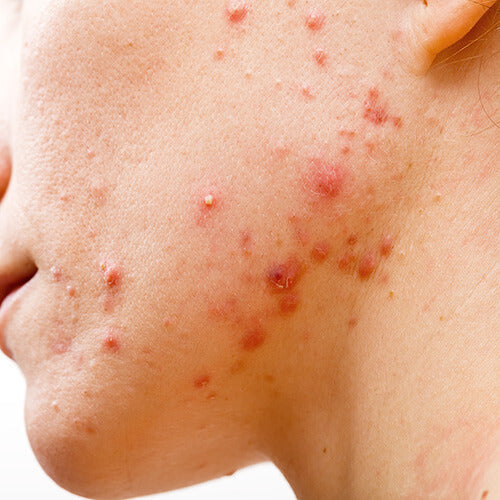
What is Cystic Acne?
Cystic acne is one of the most severe forms of acne, characterized by large, red, painful bumps that form deep within the skin. Unlike other types of acne, like blackheads or whiteheads, cystic acne is caused by a combination of factors, including hormonal changes, bacteria buildup, excessive oil production, and inflammation. Cysts often take longer to heal and can leave lasting scars without proper treatment.
If you've ever struggled with cystic acne, you know how frustrating and painful it can be—not just physically but emotionally too. The good news? Understanding its root causes and learning effective treatment strategies can make a world of difference.
What Causes Cystic Acne?
Cystic acne is primarily triggered by:
- Hormonal Imbalances: Fluctuations in hormones, particularly during puberty, menstruation, pregnancy, or stress, can lead to increased oil (sebum) production.
- Blocked Pores: When dead skin cells and excess oil clog your pores, it creates a breeding ground for acne-causing bacteria (Propionibacterium acnes).
- Inflammation: When bacteria thrive in clogged pores, the body mounts an inflammatory response, leading to swollen, painful cysts.
- Genetics: If your family has a history of cystic acne, you may be more prone to developing it.
How to Treat Cystic Acne Effectively
Treating cystic acne requires a combination of medical interventions, skincare, and lifestyle changes. Here's what works:
1. Consult a Dermatologist
Cystic acne often requires professional treatment. Dermatologists may prescribe:
- Oral Medications: Antibiotics, birth control pills (for hormone regulation), or isotretinoin (Accutane) may be recommended depending on the severity.
- Topical Treatments: Retinoids, benzoyl peroxide, or salicylic acid can help reduce inflammation and prevent clogged pores.
- Steroid Injections: For large, painful cysts, a corticosteroid injection can reduce swelling and speed healing.
2. Follow a Gentle Skincare Routine
Your skincare approach should focus on calming inflammation, keeping pores clean, and preventing irritation. Here's a simple routine:
- Cleanse Twice Daily: Use a gentle, sulfate-free cleanser to remove excess oil and dirt. Avoid scrubbing, as it can exacerbate inflammation.
- Exfoliate Wisely: Opt for chemical exfoliants like salicylic acid or glycolic acid, which can unclog pores without causing micro-tears.
- Moisturize: Hydration is key, even for acne-prone skin. Look for oil-free, non-comedogenic moisturizers.
- Sun Protection: Use a broad-spectrum sunscreen daily, as acne treatments can make your skin more sensitive to UV rays.
3. Consider Lifestyle Adjustments
Lifestyle factors can significantly impact cystic acne. Try these actionable changes:
- Diet: Research suggests that high-glycemic foods, sugary drinks, and dairy products may worsen acne for some people. Focus on anti-inflammatory foods like fruits, veggies, and omega-3-rich fish.
- Stress Management: Stress triggers hormonal fluctuations that can worsen cystic acne. Practices like meditation, yoga, or regular exercise can help manage stress.
- Sleep: Poor sleep impacts hormone regulation. Aim for 7–8 hours of quality sleep per night to support your skin’s healing process.
Can Cystic Acne Be Prevented?
While you can’t always prevent cystic acne, especially if it’s genetically or hormonally driven, you can minimize its occurrence. Here’s how:
- Stick to a consistent skincare routine that addresses oil control and exfoliation.
- Avoid touching your face or picking at acne, as this can worsen inflammation and increase scarring.
- Replace pillowcases weekly to reduce bacteria and oil buildup.
- Limit exposure to pore-clogging products like heavy makeup or greasy hair products.
When to Seek Professional Help
If your cystic acne is persistent, painful, or causing emotional distress, it’s important to consult a dermatologist. They can tailor a treatment plan to your needs, preventing long-term scarring and helping you regain control over your skin health.
Final Thoughts
Cystic acne may be stubborn, but it’s not unbeatable. With the right combination of medical care, skincare, and lifestyle changes, you can manage flare-ups and reduce their impact over time. Remember, consistency is key—small daily actions can have a big impact on your skin's health and your self-confidence.
Take it one step at a time, and don’t hesitate to seek professional support if needed. You’ve got this!