What is Cystic Acne?
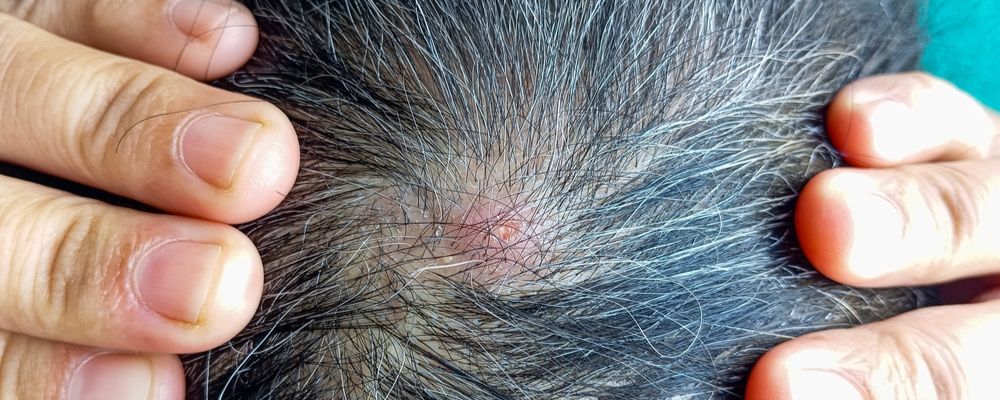
Cystic acne is one of the most severe forms of acne, characterized by large, inflamed cysts beneath the skin's surface. Unlike blackheads or whiteheads, these cysts are often painful, filled with pus, and can linger for weeks or even months. Because they form deep within the skin, they’re harder to treat and often leave scars if not addressed properly.
What Causes Cystic Acne?
Cystic acne typically develops due to a combination of factors:
Hormonal Fluctuations: Elevated androgen levels can increase oil production in the skin, clogging pores and contributing to inflammation. This is especially common during puberty, menstrual cycles, pregnancy, or conditions like polycystic ovary syndrome (PCOS).
Bacterial Overgrowth: Propionibacterium acnes (P. acnes) bacteria thrive in clogged pores, leading to infection and swelling.
Genetics: If cystic acne runs in your family, you’re more likely to experience it.
Lifestyle and Environmental Factors: Stress, diet, and exposure to certain pollutants or harsh products can exacerbate acne symptoms.
Understanding these triggers can help you better manage cystic acne and prevent future flare-ups.
How Cystic Acne Differs from Regular Acne
Unlike mild acne, which typically affects the surface of the skin, cystic acne forms deep within the skin’s layers. It’s larger, more painful, and more prone to scarring compared to other acne types like blackheads, whiteheads, or papules. This makes cystic acne more challenging to treat without professional intervention.
Effective Treatments for Cystic Acne
Treating cystic acne requires a targeted approach, often involving a combination of skincare products, medications, and lifestyle changes. Here are scientifically-backed strategies:
1. Topical Treatments
- Retinoids: Retinoids like tretinoin or adapalene help unclog pores, reduce inflammation, and promote skin cell turnover. They’re a first-line treatment for many acne sufferers.
- Benzoyl Peroxide: Benzoyl peroxide kills acne-causing bacteria and reduces swelling. However, it may cause dryness, so use it sparingly.
2. Oral Medications
- Antibiotics: For moderate to severe cystic acne, oral antibiotics like doxycycline or minocycline can reduce bacterial overgrowth and inflammation.
- Hormonal Therapy: Birth control pills or spironolactone may balance hormones and reduce acne caused by androgen fluctuations.
- Isotretinoin (Accutane): This powerful medication is reserved for severe cases and works by targeting oil production and preventing clogged pores. It requires close medical supervision due to potential side effects.
3. In-Office Procedures
Dermatologists may recommend procedures like:
- Corticosteroid Injections: To quickly reduce swelling and pain in large cysts.
- Chemical Peels: To exfoliate and improve skin texture.
- Laser Therapy: To reduce inflammation, kill bacteria, and fade scars.
Lifestyle Tips to Manage Cystic Acne
While medical treatments are essential, lifestyle changes can complement them and reduce flare-ups:
1. Adopt a Gentle Skincare Routine
- Use a non-comedogenic cleanser to remove excess oil and debris.
- Avoid over-exfoliating, as this can damage the skin barrier and worsen inflammation.
- Moisturize daily with an oil-free, hydrating product to keep skin balanced.
2. Watch Your Diet
Certain foods can exacerbate acne:
- Limit dairy and refined carbs, which may trigger hormonal imbalances.
- Incorporate anti-inflammatory foods like omega-3 fatty acids (found in salmon, walnuts, and flaxseeds) and antioxidant-rich fruits and vegetables.
3. Manage Stress
Stress can increase cortisol levels, leading to hormonal fluctuations and acne flare-ups. Practice mindfulness, yoga, or deep breathing exercises to keep stress in check.
4. Avoid Picking or Squeezing
Popping cystic acne can worsen inflammation, spread bacteria, and increase the risk of scarring. Instead, consult a dermatologist for safe extraction methods.
Can Cystic Acne Scars Be Prevented?
Preventing scarring starts with early intervention and proper care. To minimize scars:
- Seek treatment at the earliest sign of cystic acne.
- Use sunscreen daily to prevent hyperpigmentation.
- Consider professional scar treatments like microneedling, laser therapy, or fillers to address existing scars.
When to See a Dermatologist
If over-the-counter treatments and lifestyle changes haven’t worked, it’s time to seek professional help. A dermatologist can provide personalized treatment plans, prescribe stronger medications, and address underlying conditions like PCOS or hormonal imbalances.
Final Thoughts
Cystic acne is more than just a cosmetic concern—it can impact your confidence and quality of life. The good news is that it’s treatable with the right combination of medical interventions, skincare, and lifestyle adjustments. By understanding its causes and implementing scientifically-proven strategies, you can take control of your skin and pave the way for a healthier, smoother complexion.
Remember, patience is key when tackling cystic acne. Changes may take weeks or months to show results, but with consistency and professional guidance, clear skin is achievable.