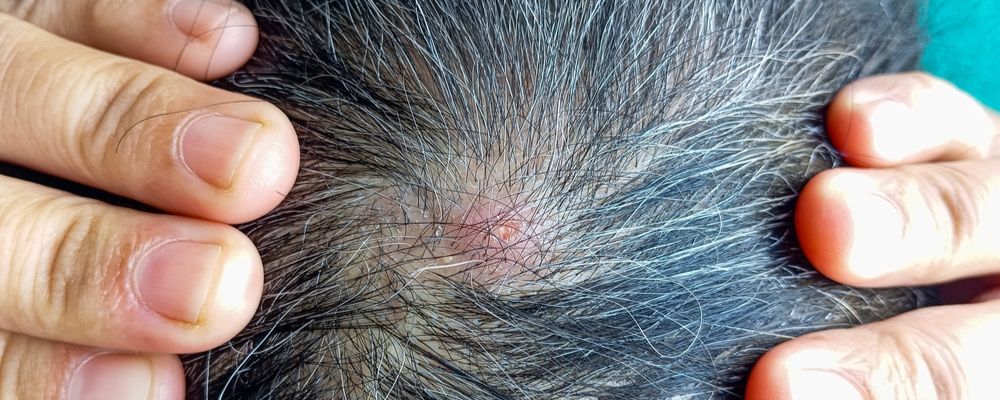
What is Cystic Acne?
Cystic acne is the most severe form of acne, characterized by deep, painful, swollen pimples or nodules that form under the skin. Unlike regular acne, cystic acne occurs when pores become clogged with oil, dead skin cells, and bacteria, leading to severe inflammation. It often affects the face but can also appear on the chest, back, shoulders, and upper arms.
This condition isn’t just physically painful—it can also take a toll on your mental health, often contributing to lower self-esteem or anxiety. Thankfully, with the right approach, cystic acne is treatable.
What Causes Cystic Acne?
Several factors contribute to cystic acne, including:
1. Hormonal Fluctuations
Hormonal changes during puberty, menstruation, pregnancy, or conditions like polycystic ovary syndrome (PCOS) can trigger the overproduction of sebum, leading to clogged pores and cystic acne.
2. Genetics
If your parents or close family members have experienced cystic acne, you may be more prone to it. Genetics can influence your skin type, how much oil your skin produces, and how your body reacts to inflammation.
3. Bacteria and Inflammation
The bacteria Cutibacterium acnes (formerly known as Propionibacterium acnes) naturally resides on your skin but can multiply in clogged pores, triggering inflammation and forming cysts.
4. Lifestyle and Environmental Factors
Stress, diet, and certain skincare products can contribute to breakouts. High-glycemic foods (like sugary snacks or refined carbs) and dairy have been linked to worsening acne in some individuals.
5. Improper Skincare Routine
Using harsh skincare products, over-cleansing, or neglecting proper hydration can disrupt your skin’s barrier, making it vulnerable to breakouts.
Effective Treatments for Cystic Acne
While cystic acne is stubborn, there are several proven treatments to manage and reduce its severity. Here’s a breakdown of options:
1. Prescription Medications
a. Oral Antibiotics
Doctors may prescribe antibiotics like doxycycline or minocycline to reduce inflammation and suppress acne-causing bacteria. However, these are typically short-term solutions due to concerns about antibiotic resistance.
b. Isotretinoin (Accutane)
Isotretinoin is a powerful oral medication derived from vitamin A. It targets all causes of acne: excess oil production, clogged pores, bacteria, and inflammation. While highly effective, it requires close medical supervision due to potential side effects such as dry skin, mood changes, and birth defects in pregnancy.
c. Hormonal Therapy
For hormone-related cystic acne, treatments like oral contraceptives or anti-androgens (e.g., spironolactone) can help regulate hormones and reduce oil production.
d. Topical Retinoids
Retinoids, such as tretinoin or adapalene, are vitamin A derivatives that help unclog pores, reduce inflammation, and promote skin cell turnover. They’re often combined with other treatments for better results.
2. In-Office Dermatological Treatments
a. Cortisone Injections
For particularly large or painful cysts, dermatologists can inject a diluted corticosteroid directly into the lesion, rapidly reducing inflammation and promoting healing.
b. Laser and Light Therapy
Laser treatments and blue light therapy can reduce C. acnes bacteria and decrease inflammation. These treatments are typically used as part of a comprehensive acne management plan.
3. Over-the-Counter Options
While OTC products may not completely clear severe cystic acne, they can complement prescription treatments. Look for products with:
- Benzoyl Peroxide: Kills bacteria and reduces inflammation.
- Salicylic Acid: Exfoliates and unclogs pores.
- Sulfur: Absorbs excess oil and has mild antibacterial properties.
4. Lifestyle Adjustments
a. A Balanced Diet
Include anti-inflammatory foods like fruits, vegetables, and omega-3-rich fish. Avoid high-glycemic and dairy-heavy diets if you notice they trigger flare-ups.
b. Stress Management
Chronic stress increases cortisol levels, which may worsen cystic acne. Practice stress-reducing techniques, like meditation, exercise, or journaling.
c. Proper Skincare
- Use non-comedogenic (non-pore-clogging) skincare and makeup products.
- Avoid over-cleansing, which can strip your skin of natural oils, leading to even more oil production.
- Apply sunscreen daily to protect your skin and prevent post-acne dark spots or scars.
What to Avoid When Treating Cystic Acne
To prevent worsening your condition, steer clear of these common mistakes:
- Popping or Picking Cysts: This can push bacteria deeper into the skin, leading to more inflammation, scarring, and even infections.
- Overusing Harsh Products: Using strong scrubs or high-concentration actives can irritate sensitive skin and exacerbate acne.
- Delaying Professional Treatment: Severe cystic acne often requires medical intervention. The sooner you see a dermatologist, the better your chances of minimizing scarring and controlling breakouts.
Preventing Future Breakouts
While it’s impossible to completely prevent cystic acne, you can reduce your risk:
- Stick to a gentle yet effective skincare routine tailored to your skin type.
- Keep your hair and hands away from your face to avoid transferring oil or bacteria.
- Wash pillowcases, towels, and makeup brushes regularly.
- Stay consistent with treatments prescribed by your dermatologist.
When to See a Dermatologist
If over-the-counter treatments aren’t helping, or if your acne is affecting your self-esteem, book an appointment with a dermatologist. They can provide a customized treatment plan based on your skin type, acne severity, and medical history.
Final Thoughts
Cystic acne can be a challenging condition, but with the right knowledge and tools, it is manageable. Whether it’s seeking professional help, adopting a healthy skincare routine, or making lifestyle changes, taking action today can lead to clearer, healthier skin tomorrow. Remember, everyone’s skin journey is unique, so be patient with yourself and celebrate small victories along the way.
If you’re struggling with cystic acne, don’t hesitate to consult a dermatologist for expert guidance. Clear skin is within reach—you’ve got this!