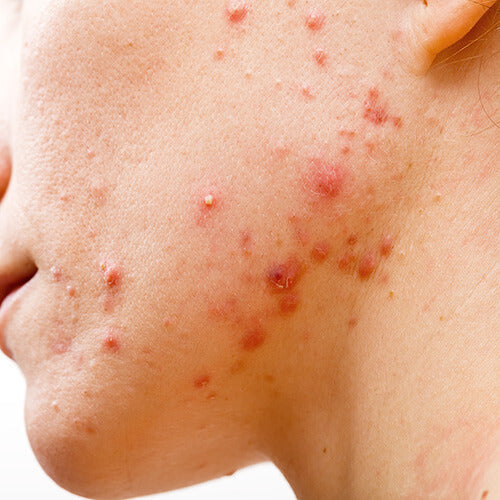
What Is Cystic Acne?
Cystic acne is one of the most severe forms of acne, characterized by deep, painful, and inflamed lesions that can appear on various parts of the body, including the face, chest, back, and shoulders. Unlike typical acne, cystic acne forms deep within the skin, making it harder to treat and more likely to leave scars.
If you’re struggling with cystic acne, know that you’re not alone. This condition affects millions of people worldwide and often requires a thoughtful, strategic approach to manage effectively.
What Causes Cystic Acne?
Hormonal Imbalances
One of the primary causes of cystic acne is hormonal fluctuations. These fluctuations can lead to an overproduction of sebum (oil), which can clog pores and lead to inflammation. This is why cystic acne is common during puberty, menstrual cycles, pregnancy, and even menopause.
Genetics
If your parents or siblings have struggled with cystic acne, you may be genetically predisposed to it. Genetics play a significant role in determining how your skin reacts to hormonal changes and other external factors.
Lifestyle Factors
Certain lifestyle factors, such as stress, diet, and inadequate skincare routines, can exacerbate cystic acne. For instance, diets high in sugar and dairy have been linked to hormonal changes that may worsen acne.
Bacterial Overgrowth
Propionibacterium acnes (P. acnes) is a type of bacteria that can grow in clogged pores, leading to inflammation and cyst formation.
How to Treat Cystic Acne
Treating cystic acne often requires a combination of medical intervention and lifestyle adjustments. Here’s a breakdown of effective treatment options:
Medical Treatments
Prescription Medications
- Topical Retinoids: These vitamin A derivatives help unclog pores and promote skin cell turnover. Examples include tretinoin and adapalene.
- Oral Antibiotics: Antibiotics like doxycycline or minocycline can reduce inflammation and bacterial growth.
- Hormonal Therapy: Medications like spironolactone or birth control pills can regulate hormonal imbalances that contribute to cystic acne.
- Isotretinoin: Commonly known as Accutane, this powerful medication is often prescribed for severe cases of cystic acne. It permanently reduces oil production but requires close monitoring due to potential side effects.
Cortisone Injections
For painful, inflamed cysts, dermatologists can inject a diluted corticosteroid directly into the lesion. This reduces swelling and speeds up healing.
Over-the-Counter Treatments
While OTC products may not be sufficient for severe cystic acne, they can support your skincare routine. Look for products containing:
- Salicylic Acid: Helps exfoliate the skin and unclog pores.
- Benzoyl Peroxide: Reduces bacterial growth and inflammation.
- Niacinamide: Calms redness and supports the skin barrier.
Lifestyle Changes for Managing Cystic Acne
Clean Up Your Skincare Routine
Using the wrong skincare products can make cystic acne worse. Look for non-comedogenic and fragrance-free products to minimize irritation. Key steps include:
- Cleansing: Wash your face twice daily with a gentle cleanser.
- Moisturizing: Hydration is essential, even for oily skin. Use lightweight, oil-free moisturizers.
- Sun Protection: Apply a broad-spectrum sunscreen daily to prevent hyperpigmentation and scarring.
Adopt an Acne-Friendly Diet
Certain foods can trigger or worsen cystic acne. Consider:
- Limiting Dairy: Studies suggest a link between dairy consumption and acne severity.
- Reducing Sugar: High glycemic index foods can cause blood sugar spikes, leading to hormonal fluctuations.
- Adding Anti-Inflammatory Foods: Incorporate foods rich in omega-3 fatty acids, like salmon, walnuts, and flaxseeds, as well as antioxidant-rich fruits and vegetables.
Stress Management
Stress can worsen hormonal imbalances, fueling cystic acne flare-ups. Find ways to manage stress, such as:
- Practicing mindfulness and meditation
- Engaging in regular physical activity
- Prioritizing sleep hygiene
Avoid Picking or Popping
While it’s tempting to try to “fix” your skin by squeezing cysts, this can lead to infection, scarring, and prolonged healing times. Always let lesions heal naturally or seek professional help.
Prevention Tips
Preventing cystic acne before it starts can save you time, money, and confidence. Here are some effective strategies:
- Stick to a Consistent Skincare Routine: Consistency is key for long-term skin health.
- Wash After Sweating: Sweat can mix with oil and bacteria, leading to clogged pores.
- Use Fresh Towels and Pillowcases: Change these regularly to prevent bacteria from building up.
- Avoid Over-Cleansing: Over-washing can strip your skin of its natural oils, causing it to produce even more sebum.
- Visit a Dermatologist: If you’re prone to cystic acne, getting regular check-ups can help you stay ahead of flare-ups.
When to Seek Professional Help
If cystic acne is significantly impacting your quality of life, causing pain, or leaving scars, it’s time to consult a dermatologist. They can assess your skin, provide tailored treatments, and help you regain confidence.
Final Thoughts
Cystic acne can be challenging, but with the right knowledge and strategies, you can take control of your skin. By combining medical treatments, lifestyle changes, and skincare best practices, you can reduce breakouts and promote healthy, clear skin over time. Remember, progress takes patience—stay consistent, and don’t hesitate to seek help when needed.
Did you find these tips helpful? Share your thoughts or questions in the comments below—your skincare journey matters!