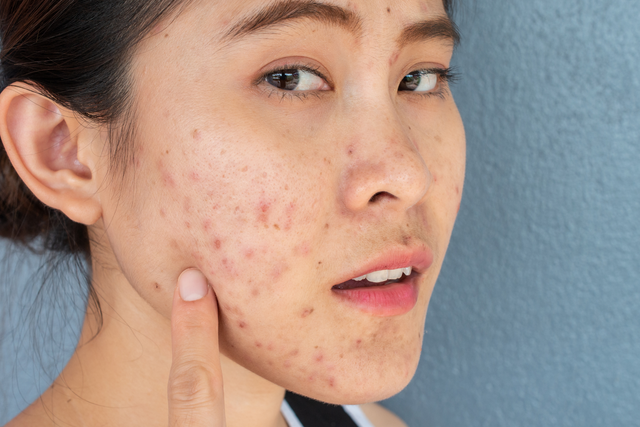
Comedonal Acne Explained: Causes, Treatments, and Solutions
Comedonal acne is a prevalent skin condition that affects many, often manifesting as non-inflammatory blemishes. If you’ve ever noticed small, flesh-colored bumps on your skin, you might be dealing with comedonal acne. In this article, we'll dive into what comedonal acne is, its causes, and how you can effectively manage it.
What is Comedonal Acne?
Comedonal acne is characterized by the presence of comedones, which are the clogged hair follicles on your skin. Comedones can be open (blackheads) or closed (whiteheads). Unlike inflammatory acne, comedonal acne doesn’t cause red, swollen, and painful bumps, making it less conspicuous but equally frustrating.
The Two Types of Comedones
- Blackheads: These open comedones appear black due to oxidation of the material inside the follicle when exposed to air.
- Whiteheads: Closed comedones that remain under the surface, appearing as small, white bumps.
Causes of Comedonal Acne
Several factors contribute to the formation of comedones:
- Excess Sebum Production: Overactive sebaceous glands can produce more oil than necessary, clogging pores.
- Skin Cell Turnover: When dead skin cells don’t shed properly, they can accumulate and block hair follicles.
- Hormonal Changes: Hormonal fluctuations, especially during puberty, can increase oil production.
- Cosmetics and Skincare Products: Comedogenic ingredients in skincare and makeup can contribute to clogged pores. Look for non-comedogenic labels to be safe.
- Diet and Lifestyle: High-glycemic foods and stress can indirectly influence oil production, exacerbating acne.
Effective Treatments for Comedonal Acne
Managing comedonal acne requires a consistent skincare regimen and sometimes the guidance of a dermatologist. Here are some effective strategies:
1. Gentle Cleansing
Washing your face twice daily with a mild, non-comedogenic cleanser helps remove excess oil and dead skin cells. Avoid harsh scrubbing which can irritate the skin.
2. Exfoliation
Regular exfoliation can help unclog pores. Consider using products with alpha-hydroxy acids (AHAs) or beta-hydroxy acids (BHAs), which are known for their ability to promote cell turnover and clear pores.
3. Topical Retinoids
Retinoids like adapalene or tretinoin are effective for treating comedonal acne. They promote cell turnover and can help keep pores clear. However, it’s important to use these under the guidance of a dermatologist as they can cause irritation.
4. Benzoyl Peroxide and Salicylic Acid
These are commonly found in over-the-counter acne treatments. Benzoyl peroxide reduces bacteria on the skin surface, while salicylic acid helps unclog pores by breaking down dead skin cells.
5. Professional Treatments
For persistent cases, dermatological treatments such as chemical peels or microdermabrasion might be recommended. These procedures help remove the top layer of dead skin cells, preventing pore blockage.
Lifestyle Adjustments
- Diet: Consider reducing your intake of high-glycemic foods like white bread and sugary snacks. Focus on a balanced diet rich in vegetables, lean proteins, and whole grains.
- Stress Management: Implement stress-reducing practices such as yoga or meditation, which can help balance hormone levels.
When to Seek Professional Help
If over-the-counter treatments aren’t effective, or if your acne is affecting your self-esteem, consult a dermatologist. They can offer prescription medications or more intensive treatments tailored to your needs.
Conclusion
Comedonal acne, while less inflammatory, can still be a source of frustration. Understanding its causes and implementing a consistent skincare routine can significantly improve your skin's appearance. Remember, patience is key, as results may take several weeks to become visible. For personalized advice, always consider seeking the expertise of a dermatologist.
Stay informed, take care of your skin, and remember that a clear complexion is attainable with the right approach.