Comedonal Acne Explained: Causes, Treatments, and Solutions
Acne is a common skin condition that affects millions of people worldwide, and comedonal acne is a specific type that can cause distress and frustration. If you're struggling with comedonal acne, understanding its causes and learning practical management strategies can be the first step towards clearer skin.
What is Comedonal Acne?
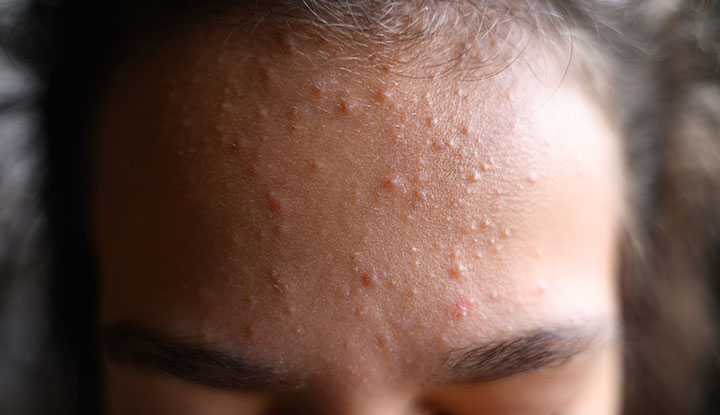
Comedonal acne is characterized by the presence of comedones, which are skin-colored, small bumps (known as blackheads or whiteheads) that commonly appear on the forehead, chin, and nose. Unlike inflammatory acne, comedonal acne does not show redness or swelling, making it less noticeable but just as bothersome for those affected.
Blackheads vs. Whiteheads
Blackheads (open comedones) are open at the surface of the skin and filled with excess oil and dead skin cells. The black color is not dirt but a result of oxidation when the buildup is exposed to air.
Whiteheads (closed comedones) are covered by a thin layer of skin, preventing oxidation. They appear as small white bumps on the skin.
Causes of Comedonal Acne
Comedonal acne is primarily caused by clogged pores. Key factors include:
- Excess Sebum Production: Hormonal changes, particularly during puberty, increase oil production, which can lead to clogged pores.
- Dead Skin Cell Accumulation: If dead skin cells are not efficiently shed, they can mix with sebum and block pores.
- Genetic Factors: A family history of acne can make you more prone to developing it.
- Cosmetic Products: Oils and certain makeup products can contribute to the development of comedones, especially if they are not non-comedogenic.
Scientific Insights into Comedonal Acne
Research has shown that the microenvironment of the skin plays a crucial role in acne development. A study published in the Journal of Clinical and Aesthetic Dermatology suggests that maintaining a balanced skin microbiome can be beneficial. Topical treatments that reduce sebum production and help exfoliate the skin are often recommended.
Effective Treatments for Comedonal Acne
Addressing comedonal acne requires a combination of lifestyle changes and skincare treatments. Here’s a breakdown of effective strategies:
Over-the-Counter Products
- Benzoyl Peroxide: Helps to reduce bacteria and prevent future comedones. Start with a lower concentration to see how your skin reacts.
- Salicylic Acid: A beta-hydroxy acid (BHA) that penetrates into pores to remove dead skin cells and excess oil.
- Retinoids: Adapalene and other retinoids help to unclog pores and promote cell turnover. They can be found in over-the-counter products like Differin Gel.
Skincare Routine
- Cleanse Gently: Use a gentle, non-comedogenic cleanser twice a day to remove excess oil and surface debris.
- Exfoliate Wisely: Opt for chemical exfoliants like salicylic acid rather than harsh scrubs to avoid irritating the skin.
- Moisturize Daily: Even if you have oily skin, moisturizing helps maintain a healthy skin barrier. Look for oil-free moisturizers.
- Sun Protection: Use a broad-spectrum sunscreen daily to prevent post-acne marks.
Lifestyle Adjustments
- Balanced Diet: There’s evidence suggesting low-glycemic diets may improve acne. Incorporate whole grains, lean proteins, and fresh produce.
- Stress Management: Stress can exacerbate acne. Consider techniques like yoga, meditation, or regular exercise to manage stress levels.
When to See a Dermatologist
If over-the-counter treatments aren’t effective, or if your acne worsens, it’s advisable to consult a dermatologist. They may suggest:
- Prescription Retinoids: Stronger than their over-the-counter counterparts, they can be more effective but may have side effects.
- Oral Medications: In some cases, oral medications like antibiotics or birth control pills may be prescribed.
- Chemical Peels or Microdermabrasion: These procedures can help reduce the appearance of comedones and improve skin texture.
Conclusion
Understanding comedonal acne is the first step towards managing it effectively. With the right combination of skincare products, lifestyle choices, and potentially professional advice, you can achieve clearer skin. Remember, each individual’s skin is unique, so it may take time to find the optimal routine for your needs.
By addressing the contributing factors and maintaining a consistent skincare regimen, you’re on your way to managing comedonal acne effectively. Remember, persistence and patience are key!