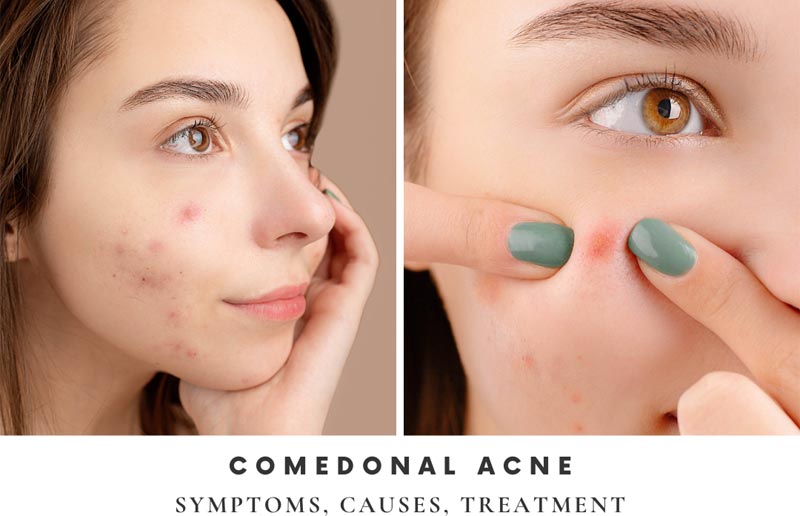
Understanding Comedonal Acne: A Closer Look
Comedonal acne is a common form of acne characterized by the presence of comedones, which include both blackheads and whiteheads. Unlike inflammatory acne, which involves pimples or cysts, comedonal acne primarily affects the surface of the skin, making it a persistent yet non-inflammatory condition. Understanding its root causes and exploring effective management strategies can help you achieve clearer, healthier skin.
What Causes Comedonal Acne?
Comedonal acne occurs when hair follicles become clogged with excess oil and dead skin cells. Several factors contribute to this condition, such as:
- Hormonal Fluctuations: Particularly during puberty, increased hormone levels can stimulate oil production, leading to clogged pores.
- Genetics: A family history of acne can predispose individuals to comedonal acne.
- Use of Comedogenic Products: Skincare and cosmetic products that are not non-comedogenic may exacerbate the condition.
- Diet: Some studies suggest a link between high-glycemic diets and acne development, although further research is needed.
Identifying Comedonal Acne
Comedonal acne is typically identified by its characteristic blackheads and whiteheads:
- Blackheads: Open comedones that appear dark due to oxidation.
- Whiteheads: Closed comedones that remain under the skin’s surface.
Unlike other forms of acne, these do not involve redness or swelling but can be equally troubling due to their persistent nature.
Natural Remedies to Manage Comedonal Acne
A balanced approach combining lifestyle changes and natural remedies can effectively manage comedonal acne. Here are some tried-and-tested methods:
1. Maintain a Gentle Skincare Routine
Choosing the right products is critical. Opt for:
- Non-Comedogenic Products: Ensure skincare and makeup items are labeled as non-comedogenic.
- Gentle Cleansers: Use a mild cleanser to remove excess oil and impurities without stripping the skin of its natural moisture.
2. Exfoliation with Natural Ingredients
Regular exfoliation helps remove dead skin cells and prevent clogged pores. Consider:
- Salicylic Acid: A natural beta hydroxy acid found in willow bark, salicylic acid is effective in exfoliating the skin and clearing pores.
- Green Tea Extract: Known for its anti-inflammatory and antioxidant properties, green tea can help soothe skin and reduce sebum production.
3. Incorporate Natural Astringents
Astringents can help tighten the skin and reduce oiliness:
- Witch Hazel: A natural astringent that can tone the skin and reduce the appearance of pores.
- Apple Cider Vinegar: Diluted apple cider vinegar may help restore the skin’s pH balance and prevent acne.
4. Adopt a Skin-Healthy Diet
Nourish your skin from within by focusing on:
- Low Glycemic Index Foods: Consuming foods with a low glycemic index can stabilize blood sugar levels and potentially reduce acne flare-ups.
- Rich in Omega-3 Fatty Acids: Foods like salmon, walnuts, and flaxseeds can help reduce inflammation and promote skin health.
5. Hydration and Stress Management
- Stay Hydrated: Drinking sufficient water helps maintain skin elasticity and flush out toxins.
- Manage Stress: Stress can exacerbate acne, so practices like yoga and meditation can be beneficial.
When to Seek Professional Help
While natural remedies can be quite effective, it is important to know when to consult a dermatologist. If you find that your comedonal acne is not improving despite your efforts, or if you notice signs of an infection, professional treatment may be necessary. Dermatologists can offer procedures like chemical peels and prescription medications to manage stubborn cases effectively.
Conclusion
Understanding and managing comedonal acne involves a multifaceted approach that includes both lifestyle adjustments and natural remedies. By paying attention to your skin’s needs and adopting healthier habits, you can effectively keep comedonal acne in check and enjoy clearer, healthier skin.