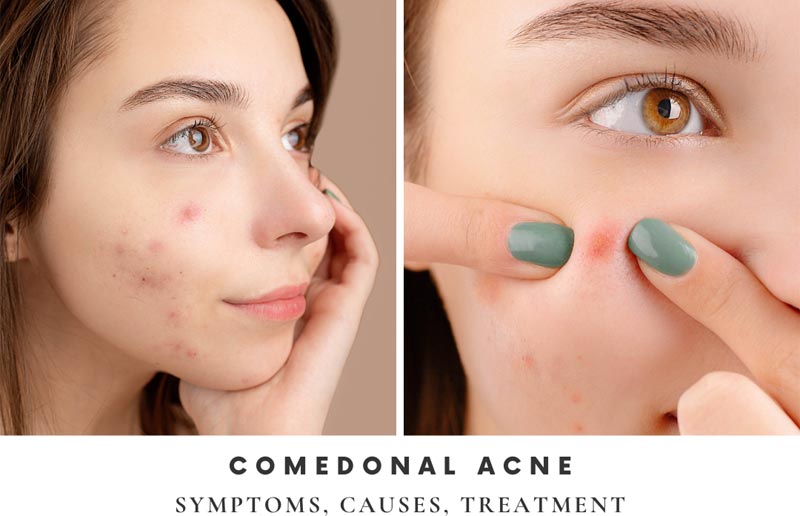
What is Comedonal Acne?
Comedonal acne is a common type of acne characterized by non-inflammatory lesions, such as blackheads and whiteheads. Unlike inflammatory acne—which includes pimples and cysts—comedonal acne is often subtle and primarily affects the surface of the skin. It usually appears on the forehead, chin, and nose but can also occur on other parts of the body.
Types of Comedones: Whiteheads vs. Blackheads
Comedonal acne can be divided into two types:
- Whiteheads (Closed Comedones): These are small, flesh-colored bumps that occur when pores are clogged with oil, dead skin cells, and debris but remain closed.
- Blackheads (Open Comedones): Blackheads form when clogged pores are exposed to air and oxidize, turning the debris inside them black.
Both types are caused by clogged hair follicles or pores, but their appearance depends on whether the pore is open or closed.
What Causes Comedonal Acne?
Several factors contribute to the development of comedonal acne. These include:
- Excess Sebum Production: Overactive sebaceous glands can produce more oil than necessary, leading to clogged pores.
- Dead Skin Cell Accumulation: When dead skin cells build up on the surface of the skin, they can block pores.
- Hormonal Changes: Fluctuations in hormones—such as those during puberty, menstruation, or pregnancy—can trigger comedonal acne.
- Using Comedogenic Products: Skincare or makeup products labeled as comedogenic can block pores.
- Environmental Factors: Pollution, humidity, and dirt can contribute to pore clogging.
- Genetics: A predisposition to acne may be inherited.
How Can You Treat Comedonal Acne?
Thankfully, comedonal acne responds well to treatment, especially when tackled early. Here are science-backed solutions and actionable tips:
1. Topical Retinoids
Retinoids, such as tretinoin or adapalene, are considered the gold standard for treating comedones. They work by increasing skin cell turnover, preventing pore clogging, and smoothing the skin’s texture. Over-the-counter retinoids like adapalene gel (e.g., Differin) are widely available, while stronger formulations may require a prescription.
Pro Tip: Begin with a pea-sized amount of retinoid and use it at night to avoid irritation. Apply sunscreen daily, as retinoids can increase sun sensitivity.
2. Salicylic Acid
Salicylic acid is a beta-hydroxy acid (BHA) that exfoliates the skin and penetrates deep into the pores. This helps dissolve the oil and debris trapped inside blackheads and whiteheads.
How to Use: Look for cleansers, toners, or serums containing 1-2% salicylic acid. Use it once or twice daily depending on your skin’s tolerance.
3. Benzoyl Peroxide
Though benzoyl peroxide is better suited for inflammatory acne, it can also help reduce bacteria on the skin and keep pores clean. A 2.5% concentration is effective without being overly drying.
4. Exfoliation
Gentle exfoliation with products containing alpha-hydroxy acids (AHAs) like glycolic acid or lactic acid can remove dead skin cells and prevent clogged pores. Avoid harsh physical scrubs, which can irritate the skin.
5. Non-Comedogenic Products
Switching to skincare and makeup products labeled “non-comedogenic” can minimize pore blockages. Check the ingredient list for heavy oils or waxes that may clog pores.
6. Regular Cleansing
Cleanse your face twice daily using a mild, non-comedogenic cleanser to remove excess oil, dirt, and makeup. Avoid over-cleansing, as it can strip your skin of natural oils, leading to increased sebum production.
7. Professional Treatments
If over-the-counter solutions don’t work, consider visiting a dermatologist. Professional options include:
- Chemical Peels: Help remove dead skin cells and stimulate collagen production.
- Microdermabrasion: Exfoliates the outer layer of skin to improve texture and unclog pores.
- Prescription Retinoids or Antibiotics: Target stubborn or severe comedonal acne.
Can You Prevent Comedonal Acne?
Preventing comedonal acne involves developing habits that minimize pore clogging. Here are some practical tips:
1. Stick to a Consistent Skincare Routine
A balanced routine with cleansing, exfoliation, hydration, and sun protection is essential for keeping pores clear.
2. Avoid Touching Your Face
Your hands carry bacteria that can clog pores. Avoid touching your face unnecessarily, especially if you have oily skin.
3. Remove Makeup Before Bed
Sleeping with makeup on increases the risk of clogged pores. Use a gentle makeup remover or micellar water before cleansing.
4. Maintain a Healthy Lifestyle
Stress, poor diet, and lack of sleep can worsen acne. Incorporating a balanced diet rich in antioxidants, regular exercise, and stress-management techniques can improve your skin health.
5. Choose Non-Comedogenic Sunscreen
Sunscreen is crucial for protecting your skin, but some can block pores. Opt for lightweight, gel-based sunscreens labeled non-comedogenic.
When Should You See a Dermatologist?
If comedonal acne persists despite your best efforts or worsens into inflammatory acne, it’s time to consult a dermatologist. They can recommend prescription treatments tailored to your skin’s needs.
Final Thoughts
Comedonal acne can be frustrating, but with the right approach, it’s manageable. By understanding the causes, using effective treatments, and adopting preventive measures, you can achieve clearer skin. Remember, consistency is key when it comes to skincare. Don’t hesitate to seek professional advice if needed—your skin deserves the best care!
Have any questions about comedonal acne? Feel free to drop them in the comments below and let’s tackle them together!