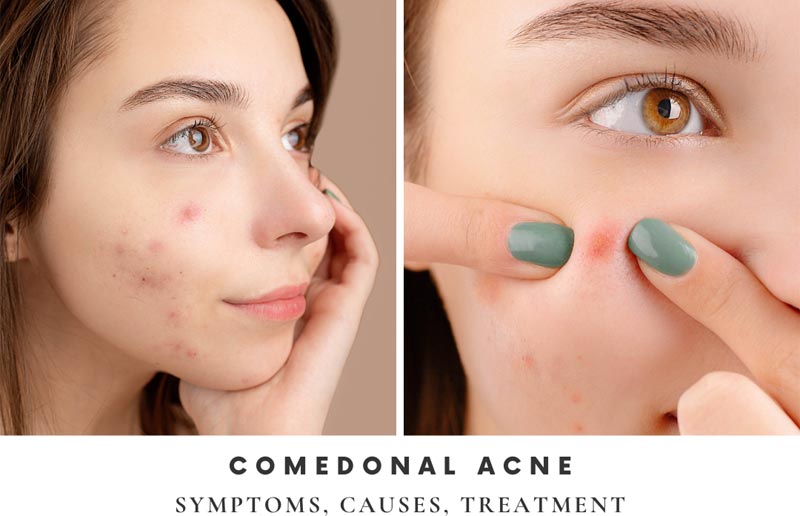
Understanding Comedonal Acne: The Basics
Comedonal acne, often simply referred to as blackheads and whiteheads, is a subtype of acne characterized by clogged hair follicles. Unlike inflammatory acne, which presents as red, swollen bumps, comedonal acne is typically less noticeable but can still be a source of frustration for many.
What Causes Comedonal Acne?
The root cause of comedonal acne lies in the accumulation of dead skin cells, sebum (an oily secretion from sebaceous glands), and sometimes bacteria within hair follicles. This mixture can solidify, creating a plug known as a comedo. Depending on whether this plug is open to the air or not, it results in blackheads (open comedones) or whiteheads (closed comedones).
Factors that contribute to the development of comedonal acne include:
- Hormonal Changes: Particularly during puberty, hormones can increase sebum production.
- Genetics: A family history of acne can predispose individuals to developing comedones.
Certain Cosmetics and Skincare Products: Comedogenic products can exacerbate the problem.
Scientific Insights into Comedonal Acne
Research indicates that androgens, a type of hormone, play a significant role in increasing sebum production. The excess oil can then mix with dead skin cells, leading to clogged pores. A study published in the Journal of Clinical and Aesthetic Dermatology found that individuals with comedonal acne often have increased levels of these hormones.
Additionally, the role of diet in acne is increasingly being studied. Some evidence suggests that high glycemic index foods may exacerbate acne by increasing insulin levels, which in turn can influence androgen activity.
Practical Advice for Managing Comedonal Acne
While comedonal acne may not be as painful or noticeable as inflammatory acne, it still requires proper management to prevent progression. Here are some strategies to consider:
Adopt a Consistent Skincare Routine
- Gentle Cleansing: Use a gentle, non-comedogenic cleanser twice daily to remove excess oil and impurities.
- Exfoliation: Incorporate products containing salicylic acid or alpha hydroxy acids (AHAs) to help exfoliate dead skin cells and prevent clogging.
- Moisturize: Opt for oil-free, non-comedogenic moisturizers to maintain skin hydration without contributing to clogged pores.
Over-the-Counter Treatments
- Benzoyl Peroxide: Known for its antibacterial properties, benzoyl peroxide can reduce bacteria on the skin and help clear pores.
Retinoids: Topical retinoids like adapalene can help normalize skin cell turnover and prevent clogged pores.
Professional Treatments
If over-the-counter options are ineffective, consider consulting a dermatologist who may recommend treatments such as:
- Chemical Peels: These can help exfoliate the skin more deeply and clear comedones.
Microdermabrasion: A procedure that gently removes the outer layer of skin, promoting the shedding of dead skin cells.
Lifestyle Adjustments for Better Skin
- Dietary Considerations: Monitor your diet for high glycemic index foods and consider reducing dairy intake, which some studies suggest can influence acne.
Stress Management: Stress can exacerbate hormonal imbalances, contributing to acne. Techniques such as yoga and meditation can be beneficial.
Conclusion
Comedonal acne, while common and often less severe than other types, still requires attention and a proactive approach. By understanding its causes and adopting a targeted skincare and lifestyle regimen, individuals can effectively manage and reduce the occurrence of these pesky blemishes.
Remember, consistency is key. It may take several weeks to see significant improvements, so patience is essential. If you're struggling to manage your acne, don't hesitate to reach out to a skincare professional for personalized advice.