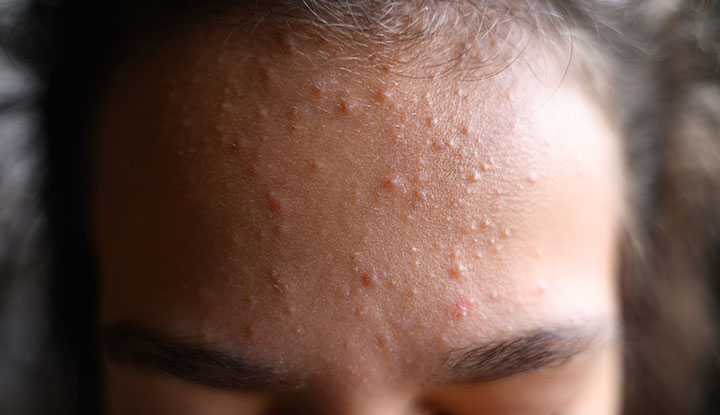
What is Comedonal Acne?
Comedonal acne is a common but often misunderstood type of acne characterized by clogged hair follicles, or pores, that form comedones. Comedones come in two types:
- Open comedones (blackheads): These appear as small black or dark spots on the skin, caused by oxidation of trapped material within the pore.
- Closed comedones (whiteheads): These are tiny white or flesh-colored bumps formed when the pore is completely blocked.
Unlike inflammatory acne (which includes papules, pustules, and cysts), comedonal acne does not typically involve swelling or redness. It’s usually found on the forehead, nose, chin, and sometimes the upper back or chest.
What Causes Comedonal Acne?
Comedonal acne occurs when dead skin cells, oil (sebum), and debris accumulate in the pores. Several factors contribute to this:
Hormonal Fluctuations
During puberty, pregnancy, or hormonal changes related to conditions like polycystic ovary syndrome (PCOS), the skin can produce excessive amounts of sebum. This extra oil clogs pores and leads to comedones.
Genetic Predisposition
Genetics play a role in determining how prone you are to clogged pores. If your family members experience comedonal acne, you might be more likely to develop it as well.
Skincare Habits
Using occlusive skincare products or heavy makeup can trap oil and debris within the pores, contributing to comedonal acne. Improper cleansing routines may also exacerbate the problem.
Environmental Factors
Pollution, humidity, and exposure to certain chemicals can clog your pores and worsen comedonal acne. Poor air quality is known to deposit impurities on the skin.
Diet
While evidence is mixed, some studies suggest that high-glycemic diets (rich in processed sugars and carbohydrates) and dairy products could exacerbate acne, including comedonal acne.
How to Treat Comedonal Acne
The good news is that comedonal acne is highly treatable with proper skincare and lifestyle modifications. Let’s dive into effective treatment options:
1. Cleansing Routine
Start with a gentle, non-comedogenic cleanser to remove excess oil, dirt, and makeup. Look for ingredients like salicylic acid or benzoyl peroxide, which can help unclog pores and prevent new comedones from forming.
How to Cleanse Properly:
- Wash your face twice a day, morning and night.
- Avoid scrubbing too hard—this can irritate your skin and worsen acne.
- Use lukewarm water instead of hot water to prevent drying out your skin.
2. Exfoliation
Exfoliation helps remove dead skin cells and prevents pore blockage. Opt for chemical exfoliants over physical scrubs, as they are gentler on the skin.
Key Ingredients to Look For:
- Salicylic acid: A beta-hydroxy acid (BHA) that penetrates deep into pores to dissolve oil and debris.
- Glycolic acid: An alpha-hydroxy acid (AHA) that exfoliates the surface of the skin.
Use exfoliants 2-3 times a week, depending on your skin’s tolerance.
3. Retinoids
Topical retinoids, derived from vitamin A, are considered a gold standard for treating comedonal acne. They speed up cell turnover, reduce clogging, and prevent new comedones from forming.
Common Retinoids:
- Over-the-counter options: Adapalene (e.g., Differin Gel)
- Prescription options: Tretinoin, Tazarotene
Retinoids can cause initial dryness or irritation, so start with a lower concentration and apply every other night before increasing usage.
4. Moisturizers
Even acne-prone skin needs hydration. Use lightweight, non-comedogenic moisturizers to maintain your skin barrier without clogging pores.
Recommended Types:
- Gel-based moisturizers
- Lotions with ingredients like hyaluronic acid or niacinamide
5. Professional Treatments
If over-the-counter products don’t provide adequate results, consider professional options such as:
- Chemical peels: Performed by dermatologists, these treatments use AHAs or BHAs to deeply exfoliate the skin.
- Microdermabrasion: A non-invasive procedure that removes dead skin cells from the surface.
- Laser therapy: Helps reduce oil production and improve skin texture.
How to Prevent Comedonal Acne
Prevention is just as important as treatment. Here are some tips to keep your skin clear:
1. Choose Non-Comedogenic Products
Check skincare and makeup products for labels indicating they won’t clog pores. This minimizes the risk of comedonal acne.
2. Maintain a Balanced Diet
Reduce your intake of high-glycemic foods and dairy to see if it improves your skin. Focus on eating a nutrient-dense diet rich in vegetables, fruits, and omega-3 fatty acids.
3. Practice Proper Hygiene
- Avoid touching your face unnecessarily.
- Clean your makeup brushes and pillowcases regularly.
4. Minimize Stress
Stress can trigger hormonal fluctuations, leading to increased sebum production. Practice stress management techniques like yoga, meditation, or regular exercise.
5. Protect Your Skin
Wear sunscreen daily to prevent sun damage, which can exacerbate acne. Choose a non-comedogenic sunscreen to avoid clogging your pores.
When to See a Dermatologist
If your comedonal acne persists despite following a good skincare routine, it’s time to consult a dermatologist. They can recommend stronger treatments, such as prescription retinoids or procedures tailored to your skin.
Final Thoughts
Comedonal acne may not be as painful or inflamed as other forms of acne, but its persistent nature can still be frustrating. By understanding its causes and adopting effective skincare habits, you can regain control of your skin’s health. Remember, consistency is key in treating and preventing comedonal acne. Take the first step today, and your skin will thank you!
Have questions or tips about managing comedonal acne? Share your thoughts in the comments below!