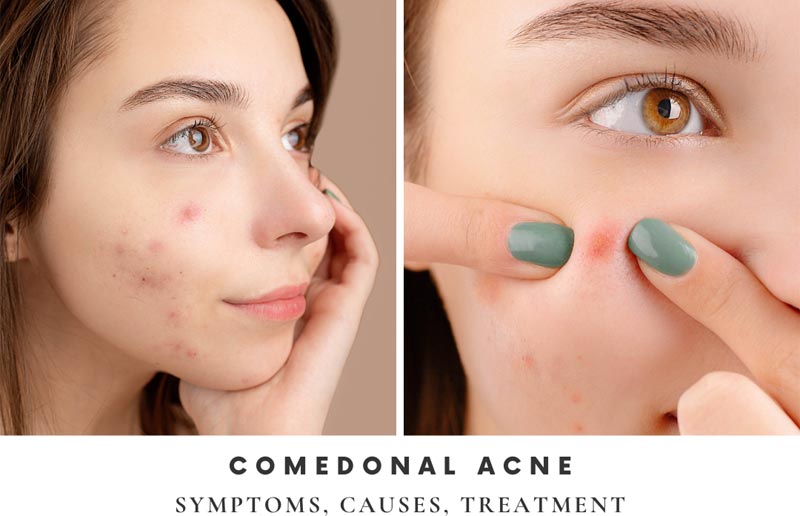
What is Comedonal Acne?
Comedonal acne is one of the most common forms of acne, characterized by non-inflammatory blemishes known as comedones. These include blackheads (open comedones) and whiteheads (closed comedones), which occur when hair follicles become clogged with oil, dead skin cells, or debris. Unlike inflammatory acne, comedonal acne doesn’t involve redness, swelling, or pus, which makes it somewhat easier to manage with consistent care and natural remedies.
What Causes Comedonal Acne?
Understanding the root causes of comedonal acne is essential to effectively treating and preventing flare-ups. Key contributors include:
- Excess Sebum Production: Overactive oil glands can lead to clogged pores, especially in oily skin types.
- Hormonal Changes: Hormonal fluctuations—like those during puberty, menstruation, or stress—can increase oil production.
- Poor Skincare Habits: Inadequate cleansing or the use of harsh skincare products can worsen pore congestion.
- Dietary Factors: High-glycemic foods (such as sugary snacks) and dairy have been linked to acne development.
- Environmental Factors: Pollution and dirt can accumulate on the skin, contributing to clogged pores.
By addressing these causes, you can develop a tailored approach to managing comedonal acne.
Natural Remedies for Comedonal Acne
While prescription treatments can be effective, many acne sufferers prefer natural remedies to avoid harsh chemicals. Here are some evidence-based natural solutions to help combat comedonal acne:
1. Tea Tree Oil
Tea tree oil is a powerful natural antiseptic that can help reduce bacteria and control oil production. Studies have shown that it’s effective in treating mild to moderate acne.
How to Use:
- Dilute a few drops of tea tree oil with a carrier oil, such as coconut oil or jojoba oil.
- Apply the mixture to affected areas using a cotton swab.
- Use once daily to prevent irritation.
2. Aloe Vera Gel
Aloe vera has soothing and anti-inflammatory properties, making it an excellent option for calming irritation and supporting skin healing.
How to Use:
- Extract fresh aloe vera gel from the plant, or use a store-bought gel (ensure it’s pure and free from additives).
- Apply a thin layer to your entire face or target areas after cleansing.
- Leave it on for 20 minutes, then rinse off with lukewarm water.
3. Apple Cider Vinegar
Apple cider vinegar contains acetic acid, which can help balance the skin’s pH and exfoliate dead skin cells. It’s also effective against bacteria.
How to Use:
- Mix 1 part apple cider vinegar with 3 parts water.
- Use a cotton ball to apply the solution to comedones.
- Leave it on for 5-10 minutes, then rinse thoroughly.
4. Honey Mask
Raw honey acts as a natural antibacterial agent, helping to unclog pores and hydrate the skin.
How to Use:
- Apply a thin layer of raw, organic honey directly to affected areas.
- Leave it on for 15-20 minutes before rinsing with warm water.
- Repeat 2-3 times a week.
5. Green Tea
Green tea is packed with antioxidants and anti-inflammatory compounds that can reduce oil production and support healthy skin.
How to Use:
- Brew a cup of green tea and allow it to cool.
- Use a cotton ball to apply the tea to your face or affected areas.
- You can also mix green tea with honey for added benefits.
6. Gentle Exfoliation
Regular exfoliation can help remove dead skin cells and prevent clogged pores, but it’s important to use gentle, natural options to avoid irritation.
How to Use:
- Mix sugar with coconut oil or honey to create a natural scrub.
- Gently massage the scrub onto your skin for 1-2 minutes.
- Rinse thoroughly and moisturize.
7. Dietary Adjustments
What you eat can impact your skin’s health. Avoiding processed foods, sugary snacks, and dairy may help reduce comedones. Instead, focus on consuming:
- Omega-3 fatty acids: Found in salmon, walnuts, and flaxseeds, these help reduce inflammation.
- Antioxidant-rich foods: Fruits and vegetables like berries, spinach, and carrots promote healthy skin.
- Probiotic-rich foods: Yogurt, kefir, and fermented vegetables can balance gut health, which is closely linked to skin health.
Tips to Prevent Comedonal Acne
Prevention is just as important as treatment when it comes to clear skin. Follow these practical tips to minimize the chances of developing comedonal acne:
1. Keep Your Skin Clean
Use a gentle cleanser twice a day to remove oil, dirt, and makeup. Avoid harsh scrubbing, which can irritate the skin and worsen acne.
2. Choose Non-Comedogenic Products
Always opt for non-comedogenic skincare and makeup products to prevent pore clogging.
3. Avoid Touching Your Face
Touching your face transfers dirt and bacteria from your hands to your skin. Try to avoid this habit during the day.
4. Wash Your Pillowcases Regularly
Dirty pillowcases can harbor bacteria and oil, leading to clogged pores. Wash your pillowcases at least once a week.
5. Hydrate Your Skin
Even if you have oily skin, moisturizing is essential to prevent dryness and balance your skin’s natural oil production.
6. Protect Your Skin from Sun Damage
Wear sunscreen daily to shield your skin from harmful UV rays, which can worsen acne and lead to hyperpigmentation.
When to See a Dermatologist
If natural remedies don’t seem to be working, or if your acne is worsening, consult a dermatologist. They can evaluate your skin and recommend prescription treatments like topical retinoids, salicylic acid, or even oral medications for severe cases.
Conclusion
Comedonal acne can be frustrating, but understanding its causes and addressing it with natural remedies can make a significant difference in your skin’s health. Incorporate gentle cleansing, natural treatments, and a balanced diet into your routine for clearer, healthier skin. Remember, patience and consistency are key—so stick to a routine and give your skin the time it needs to heal.
By following these tips, you can take control of your comedonal acne and work toward a radiant, confident complexion. If you have persistent issues, don’t hesitate to seek professional advice for tailored treatment plans.