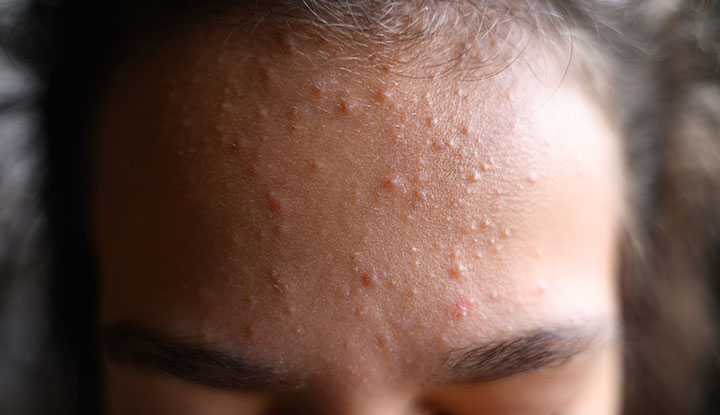
Understanding Comedonal Acne: A Comprehensive Guide
Acne can be a frustrating and sometimes embarrassing skin condition to manage, but not all acne is the same. Comedonal acne is a specific type characterized by the presence of comedones, which are essentially clogged pores. In this post, we’ll delve into what comedonal acne is, what causes it, and how you can effectively treat and manage it.
What is Comedonal Acne?
Comedonal acne is a subtype of acne that primarily involves non-inflammatory lesions. It is marked by the presence of comedones, which are blocked hair follicles in the skin. There are two main types of comedones:
Open comedones (blackheads): These occur when a pore is clogged with sebum and dead skin cells. The open surface allows contact with air, causing oxidation that turns the clogged material dark.
Closed comedones (whiteheads): These form when a pore is clogged but remains closed, resulting in a small bump on the skin.
Unlike inflammatory acne, comedonal acne does not involve significant swelling, redness, or pus-filled lesions. This makes it less painful, but no less troublesome for those who experience it.
The Science Behind Comedonal Acne
Comedonal acne begins with an overproduction of sebum, the skin's natural oil. When combined with an accumulation of dead skin cells, this excess oil can clog pores and lead to the formation of comedones. Hormonal fluctuations, particularly during puberty or due to menstrual cycles, can exacerbate this sebum production. Furthermore, genetic predisposition plays a significant role; if your parents had acne, you might be more prone to developing it as well.
How to Treat Comedonal Acne
Treating comedonal acne involves both over-the-counter and prescription options. Here are some effective treatments backed by dermatological research:
1. Topical Retinoids
Topical retinoids, such as adapalene (Differin) or tretinoin, are derived from Vitamin A and are highly effective in treating comedonal acne. They work by promoting cell turnover, preventing the clogging of pores, and reducing the formation of comedones. According to a study published in the Journal of the American Academy of Dermatology, retinoids can significantly improve both inflammatory and non-inflammatory acne lesions.
2. Salicylic Acid
Salicylic acid is a beta-hydroxy acid (BHA) common in many acne cleansers and treatments. It penetrates the pores to exfoliate the skin, helping to clear out the debris that leads to blackheads and whiteheads. Regular use can help prevent new comedones from forming.
3. Benzoyl Peroxide
Though more commonly used for inflammatory acne, benzoyl peroxide can also be beneficial for comedonal acne. It helps to kill bacteria on the skin and clear the pores, reducing the chance of comedones evolving into inflammatory lesions.
4. Chemical Peels
For persistent comedonal acne, chemical peels performed by dermatologists can be an effective treatment. These involve applying a chemical solution to the skin to remove the outer layers, promoting new, clearer skin growth.
Lifestyle Tips for Managing Comedonal Acne
Treatments can be more effective when paired with lifestyle adjustments. Here are some tips to manage comedonal acne:
1. Regular Cleansing
Wash your face twice daily with a gentle cleanser to remove excess oil and dirt. Avoid harsh scrubbing as it can irritate the skin and exacerbate acne.
2. Non-Comedogenic Products
Use skincare and makeup products labeled "non-comedogenic," which means they are less likely to clog pores.
3. Healthy Diet
Some studies suggest that high glycemic index foods can exacerbate acne. Consider a diet rich in fruits, vegetables, and lean proteins to support skin health.
4. Avoid Picking or Squeezing
Resist the urge to pick or squeeze your comedones. This can lead to scarring and potentially transform comedonal acne into inflammatory acne.
When to See a Dermatologist
If over-the-counter treatments aren't effective, or if your acne severely impacts your confidence or daily life, consider seeing a dermatologist. They can provide tailored treatment options and may prescribe stronger medications.
Conclusion
Comedonal acne can be a persistent and challenging condition, but with the right strategies and treatments, clearer skin is achievable. By understanding the nature of your acne and making informed choices about your skincare routine, you can manage and reduce the symptoms effectively.
Remember, patience is key when it comes to acne treatment—most products take several weeks to show results. Always consult with a healthcare professional before starting new treatments, especially if you have sensitive skin or other underlying health conditions.