Understanding the Link Between Hormones and Chin Acne
Chin acne can be particularly frustrating, often appearing at the most inconvenient times. While there are many potential causes of acne, one significant factor, especially for breakouts concentrated on the chin, is hormonal fluctuations. But why the chin? And what can you do about it? Let’s delve into the science and practical solutions for managing chin acne.
The Science Behind Hormonal Chin Acne
Hormones, particularly androgens like testosterone, play a crucial role in acne development. These hormones can increase the size and activity of sebaceous glands, leading to more oil production. When this excess oil, combined with dead skin cells, clogs pores, it can create a breeding ground for acne-causing bacteria. This is why chin acne is often linked to hormonal changes experienced during puberty, menstruation, pregnancy, and stress.
Research supports this connection. A study published in the Journal of Clinical and Aesthetic Dermatology noted that women are particularly susceptible to hormonal acne on the chin and jawline due to the androgen receptors in these areas being more sensitive.
Identifying Hormonal Chin Acne
How can you tell if your chin acne is hormone-related? Here are some common signs:
- Timing: Breakouts that coincide with your menstrual cycle or during hormonal changes (e.g., puberty, pregnancy) can indicate hormonal acne.
- Location: Acne concentrated on the lower face, particularly the chin and jawline, is a hallmark of hormonal acne.
- Type of Lesions: Hormonal acne typically consists of deep, cystic spots rather than surface-level blackheads or whiteheads.
Practical Strategies for Managing Chin Acne
While chin acne can be stubborn, there are several strategies you can adopt to manage and reduce breakouts:
1. Adopt a Hormone-Friendly Diet
Diet can significantly impact hormonal balance. Consider the following adjustments:
- Reduce Dairy and Sugar: Both have been associated with increased acne flare-ups in some individuals.
- Add Omega-3 Rich Foods: These can help reduce inflammation and may influence hormonal balances. Incorporate foods like salmon, walnuts, and flaxseeds.
- Stay Hydrated: Adequate hydration supports overall skin health.
2. Skincare Routine Adjustments
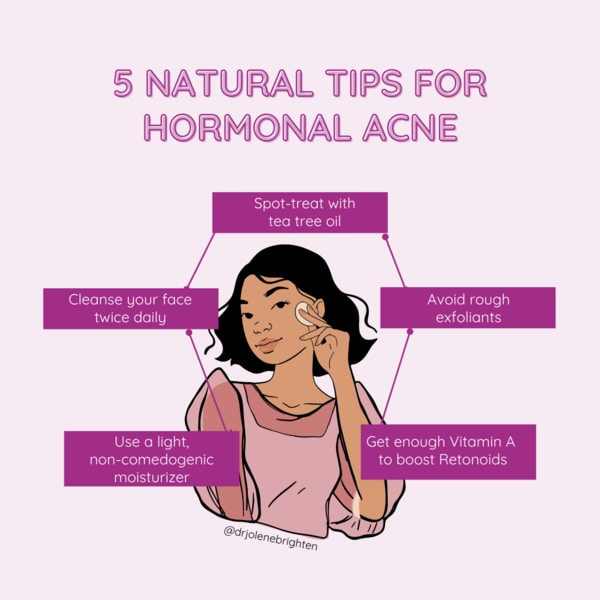
- Gentle Cleansers: Use a mild cleanser twice daily to remove excess oil without over-stripping your skin.
- Non-Comedogenic Products: Choose moisturizers and makeup that won’t clog pores.
- Targeted Treatments: Consider products with ingredients like salicylic acid, which can help exfoliate and clear clogged pores, or benzoyl peroxide, which can reduce bacteria.
3. Consult a Dermatologist
If over-the-counter solutions aren't effective, consult a dermatologist. They can prescribe treatments like topical retinoids, oral contraceptives, or spironolactone, which can help regulate hormones and reduce acne.
Lifestyle Adjustments
- Stress Management: Stress is a known trigger for hormonal imbalances. Practices like yoga, meditation, and adequate sleep can help maintain hormonal harmony.
- Exercise Regularly: Regular physical activity can support hormone regulation and improve circulation, potentially reducing acne.
Keeping Hope Alive
While dealing with chin acne can be challenging, understanding the hormonal link provides a pathway to targeted, effective treatment. With the right approach, you can take control of your skin’s health and see a significant improvement.
Remember, everyone's skin is unique, so it may take some time to find the perfect combination of strategies that work for you. Stay patient and consistent, and don't hesitate to seek professional help if needed.
By embracing a comprehensive approach, you can better manage chin acne and enjoy clearer, healthier skin.