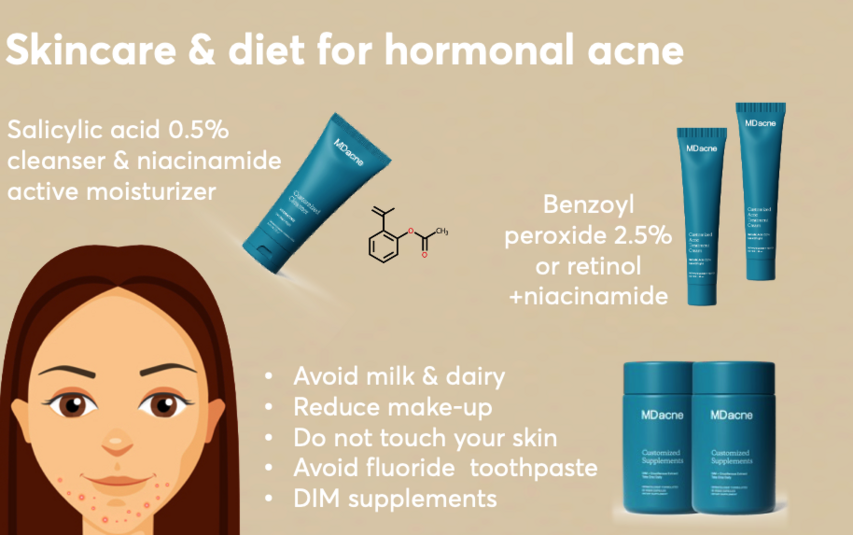
Understanding Chin Acne and Hormones
Chin acne is a common issue, often linked to hormonal fluctuations. Hormones, particularly androgens like testosterone, can increase sebum production, leading to clogged pores. This is why chin acne is prevalent during puberty, pregnancy, and menstrual cycles.
Hormonal Imbalance and Its Impact
Hormonal imbalances can exacerbate acne outbreaks, especially on the chin and jawline. The increase in hormones can stimulate sebaceous glands, causing excess oil production, which mixes with dead skin cells and bacteria to clog pores and form pimples.
Natural Remedies for Hormonal Chin Acne
1. Dietary Adjustments
- Limit Dairy and Sugar: Studies have shown that high dairy and sugar intake can worsen acne due to their impact on insulin levels, which can exacerbate hormone fluctuations.
- Increase Omega-3s: Foods rich in omega-3 fatty acids like salmon and flaxseeds may help reduce inflammation and improve acne.
2. Herbal Supplements
- Spearmint Tea: Drinking spearmint tea twice a day has been suggested to help lower androgen levels and improve hormonal acne.
- Zinc Supplements: Zinc is known for its anti-inflammatory properties and can help reduce acne by regulating hormone levels and boosting immune function.
3. Stress Management
Stress can impact hormones significantly, leading to breakouts. Incorporating stress-reducing practices like yoga, meditation, or deep breathing exercises can help maintain hormonal balance and reduce acne.
4. Skincare Routine
- Gentle Cleansing: Use a mild cleanser twice a day to remove excess oil and maintain skin hygiene without stripping natural oils.
- Tea Tree Oil: Apply diluted tea tree oil directly to the chin area. Its antibacterial properties can help reduce acne-causing bacteria.
Lifestyle Changes to Consider
1. Regular Exercise
Physical activity helps regulate insulin levels and manage stress, both of which can impact hormone levels and skin health.
2. Adequate Sleep
Ensure you get at least 7-8 hours of quality sleep each night to support hormonal regulation and skin repair processes.
When to Seek Professional Help
If natural remedies don't show improvement or if acne becomes severe, it may be time to consult a dermatologist. They may recommend treatments like hormonal therapy, topical retinoids, or antibiotics for more persistent cases.
Conclusion
Chin acne can be frustrating, but understanding its hormonal roots and implementing natural remedies can provide relief. Remember, consistency and patience are key, and making small, sustainable changes can lead to healthier, clearer skin over time.