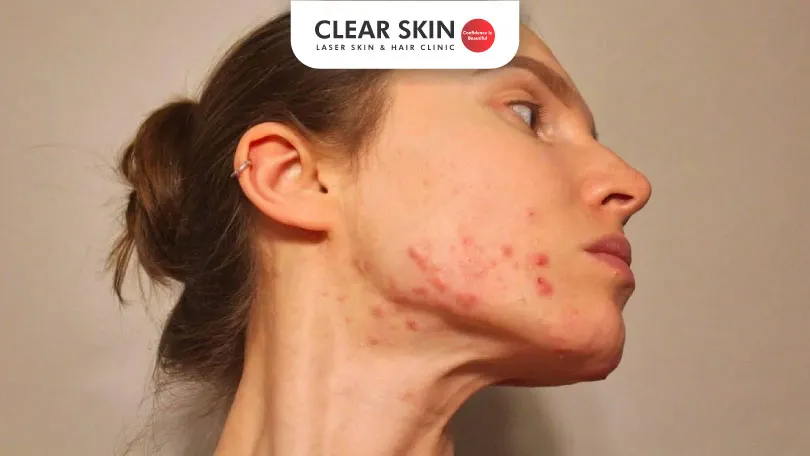
Understanding Chin Acne and Hormonal Links
Chin acne can be frustrating, especially when it seems to appear out of nowhere. One common culprit? Hormones. Hormonal acne often shows up around the chin and jawline, creating clusters of stubborn, painful blemishes. In this article, we’ll explore how hormones trigger chin acne, the science behind it, and actionable steps to help you achieve clearer skin.
What Causes Chin Acne?
While acne can develop anywhere on the body, breakouts on the chin are often linked to hormonal fluctuations. Here’s why:
- Hormonal Imbalances: Hormones like androgens (e.g., testosterone) can stimulate the sebaceous glands to produce excess oil, or sebum. This extra oil can clog pores, leading to blackheads, whiteheads, and cysts.
- Menstrual Cycle: Many women notice chin acne flaring up right before or during their period. This is due to fluctuating estrogen and progesterone levels, which can destabilize oil production.
- Polycystic Ovary Syndrome (PCOS): PCOS is a common condition that can cause elevated androgen levels. One of the hallmarks of PCOS is persistent hormonal acne around the chin and jawline.
- Stress: Chronic stress triggers an increase in cortisol, which can indirectly influence other hormones and increase the likelihood of acne.
Understanding the hormonal connection to chin acne is the first step in taking control of your skin health. Let’s dive into how you can manage and prevent these breakouts.
How to Treat Hormonal Chin Acne
Chin acne caused by hormones requires a holistic approach. Here are some treatment options that target both the root cause and the symptoms:
1. Topical Acne Treatments
Over-the-counter and prescription products can help manage the visible signs of acne. Look for these ingredients:
- Benzoyl Peroxide: Reduces bacteria and inflammation.
- Salicylic Acid: Helps remove excess oil and exfoliate dead skin cells.
- Retinoids (e.g., Adapalene): Promotes skin cell turnover and prevents clogged pores. For severe cases, consult a dermatologist about prescription-strength options like tretinoin or clindamycin.
2. Hormonal Therapy
If your chin acne is tied to hormonal imbalances, you may benefit from treatments that regulate hormones, such as:
- Birth Control Pills: Certain oral contraceptives can stabilize hormones and reduce acne flare-ups.
- Spironolactone: This medication blocks androgen hormones, decreasing oil production. Always discuss these options with your doctor to find the best fit for your health and needs.
3. Dietary Adjustments
Although diet alone rarely causes acne, certain dietary changes can help balance hormones:
- Cut Back on High-Glycemic Foods: Sugary snacks, white bread, and other high-glycemic foods can spike insulin levels, which may exacerbate acne.
- Incorporate Omega-3 Fatty Acids: Found in salmon, walnuts, and flaxseeds, omega-3s have anti-inflammatory properties that may help reduce acne severity.
- Limit Dairy: Some studies suggest that dairy products, particularly skim milk, may aggravate hormonal acne in certain individuals. Keep a food diary to track any potential triggers and work with a healthcare professional to develop a balanced diet plan.
4. Stress Management
Since stress can worsen hormonal imbalances, managing stress is crucial. Incorporate relaxation techniques such as:
- Meditation: Just 10 minutes a day can lower cortisol levels.
- Exercise: Regular, moderate exercise can improve circulation, reduce stress, and support overall skin health.
- Adequate Sleep: Aim for 7-9 hours of sleep each night to help your body regulate hormones effectively.
5. Skincare Routine for Chin Acne
A solid skincare routine tailored to acne-prone skin is essential. Follow these tips:
- Cleanse Twice Daily: Use a gentle cleanser to remove dirt, oil, and makeup without over-stripping your skin.
- Avoid Over-Exfoliating: Excess exfoliation can irritate acne and increase inflammation. Stick to 2-3 times per week.
- Non-Comedogenic Products: Choose moisturizers, sunscreens, and makeup labeled as non-comedogenic to avoid clogging pores.
- Don’t Pick or Squeeze: Picking at acne can lead to scarring and worsen inflammation.
When to See a Dermatologist
If your chin acne persists despite your best efforts, it may be time to consult a dermatologist. They can help identify underlying causes, prescribe stronger treatments, and guide you toward long-term solutions. Persistent or severe hormonal acne may also warrant testing for conditions like PCOS or other endocrine disorders.
Final Thoughts
Dealing with chin acne can be a challenging and emotionally draining experience, but understanding the hormonal connection gives you a powerful tool for treatment. By combining lifestyle adjustments, skincare habits, and professional guidance, you can clear your skin and regain confidence. Remember, progress takes patience—stick with your routine, and don’t hesitate to seek support if needed.
Clear skin is possible, and it starts with understanding what your body is trying to tell you. You’ve got this!