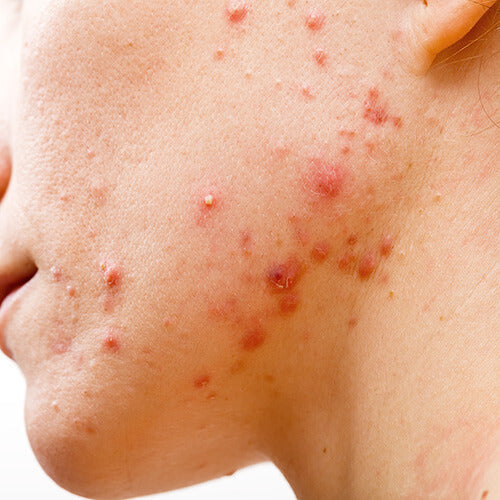
Understanding the Link Between Chin Acne and Hormones
Have you ever noticed that pesky pimples tend to pop up around your chin, especially at specific times of the month or during periods of stress? You’re not alone. Chin acne is often linked to hormonal fluctuations, which is why it’s commonly referred to as “hormonal acne.” Let’s dive into why this happens, and more importantly, what you can do about it.
What Causes Chin Acne?
1. Hormonal Fluctuations (The Key Culprit)
Hormones, especially androgens like testosterone, can play a significant role in triggering acne. These hormones stimulate the sebaceous glands to produce more sebum (oil). Excess sebum, combined with dead skin cells, clogs pores, leading to inflammation and bacteria buildup—the perfect recipe for acne.
This is why chin acne often worsens:
- Before your period: Hormonal levels fluctuate in the luteal phase of your menstrual cycle.
- During puberty: A surge in androgens increases oil production.
- During pregnancy or menopause: Hormonal shifts can disrupt your skin’s balance.
2. Stress
Stress doesn’t directly cause acne, but it can exacerbate it by increasing cortisol levels. Elevated cortisol can indirectly influence other hormones, triggering breakouts on the chin and jawline.
3. Lifestyle Factors
Diet, skincare habits, and even the way we touch our faces contribute to chin acne. Diets high in sugar or dairy have been linked to increased acne severity due to their effects on insulin and hormonal balance.
How to Identify Hormonal Chin Acne
Wondering if your chin acne is hormonally driven? Here are some telltale signs:
- Breakouts tend to occur cyclically (e.g., around your menstrual cycle).
- Pimples are often deep, cystic, or painful.
- The acne is concentrated around the lower face, including the chin and jawline.
- Over-the-counter treatments don’t seem to work effectively.
How to Manage and Treat Hormonal Chin Acne
1. Topical Treatments
While hormonal acne starts below the skin’s surface, topical treatments can play a significant role in managing symptoms. Here are some dermatologist-recommended options:
- Retinoids: Topical retinoids like adapalene or tretinoin help increase cell turnover, unclog pores, and reduce inflammation. These are highly effective for all types of acne.
- Benzoyl Peroxide: This antibacterial ingredient kills acne-causing bacteria and reduces inflammation.
- Salicylic Acid: A beta-hydroxy acid (BHA) that exfoliates inside the pores to prevent clogs.
💡 Pro Tip: Start with lower concentrations of active ingredients to avoid irritation and gradually increase as your skin builds tolerance.
2. Hormonal Treatment Options
If topical treatments aren’t enough, consider addressing the hormonal root of the problem. Options include:
- Birth Control Pills: Certain oral contraceptives containing estrogen and progestin can regulate hormonal fluctuations and reduce acne.
- Spironolactone: This oral medication works by blocking androgen receptors, reducing oil production.
⚠️ Always consult a dermatologist or healthcare provider before starting hormonal treatments.
3. Adopt a Hormone-Friendly Diet
Your diet plays an influential role in balancing hormones and managing acne. Consider these dietary tips:
- Limit High-Glycemic Foods: Sugary snacks and processed carbs can spike insulin levels, which may increase sebum production. Choose whole grains and low-glycemic foods instead.
- Cut Back on Dairy: Some studies suggest dairy products, particularly skim milk, may worsen acne.
- Focus on Anti-Inflammatory Foods: Incorporate omega-3-rich foods like salmon, chia seeds, and walnuts. Add antioxidant-packed vegetables and fruits to your meals.
4. Be Mindful of Your Skincare Routine
An effective skincare routine can help keep chin acne under control. Here’s what to focus on:
- Cleanse Twice Daily: Use a gentle cleanser with salicylic acid to remove excess oil and debris without over-drying.
- Non-Comedogenic Products: Opt for makeup and moisturizers labeled "non-comedogenic" to prevent clogged pores.
- Don’t Over-Exfoliate: Overdoing exfoliation can irritate the skin and worsen acne.
5. Manage Stress
Since stress can worsen hormonal imbalances, incorporating stress-reducing activities can help:
- Practice mindfulness or meditation.
- Get regular exercise to regulate cortisol levels.
- Aim for 7–8 hours of quality sleep each night.
6. Consider Professional Treatments
For stubborn or severe cases of chin acne, consult with a dermatologist. They may recommend treatments like:
- Chemical Peels: These exfoliate the skin deeply to unclog pores and reduce inflammation.
- Laser or Light Therapy: Treatments like blue light therapy can kill acne-causing bacteria.
- Cortisone Injections: For painful cystic acne lesions, a cortisone shot can provide quick relief.
Prevention Tips for Chin Acne
Prevention is often more straightforward than treatment. Here are some proactive strategies:
- Keep Your Hands Off Your Face: Touching your chin frequently can transfer bacteria and oils.
- Clean Your Phone: Your phone screen harbors bacteria that can clog pores around your jawline.
- Wash Pillowcases Regularly: Dirty pillowcases can transfer oil and bacteria to your skin. Swap them out 1–2 times per week.
- Stick to a Consistent Routine: Consistency is key for preventing and managing acne.
When to See a Dermatologist
If your chin acne is persistent, painful, or leaving scars, it’s time to seek professional help. A dermatologist can tailor a treatment plan to address the root cause of your acne and recommend advanced treatments if necessary.
Final Thoughts on Chin Acne and Hormones
Chin acne, while frustrating, is a common and manageable issue. Understanding the role hormones play in these breakouts is the first step to finding relief. By adopting a hormone-friendly lifestyle, following a proper skincare routine, and seeking professional help when needed, you can take control of your skin and regain your confidence. Remember, patience is key—clear skin is a journey, not a sprint!
Your Turn: Have you struggled with chin acne? Share your experiences and tips in the comments below. Let’s support each other on our skincare journeys!