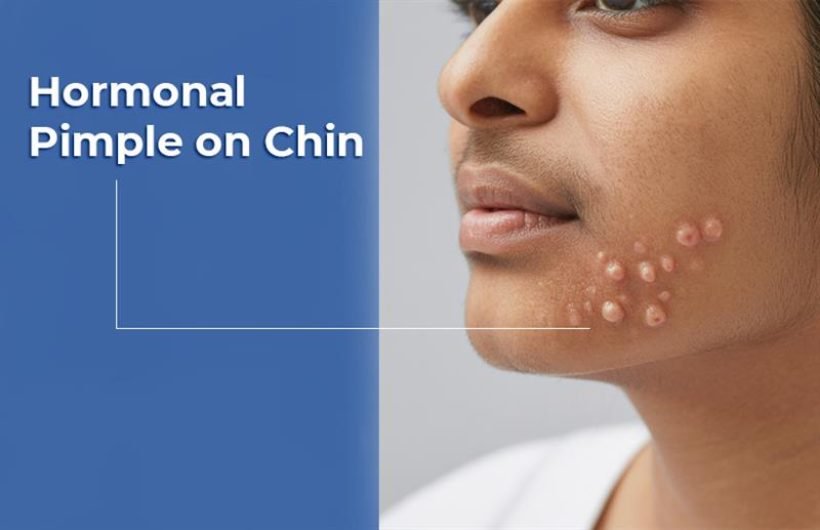
Chin Acne and Hormones: What’s the Connection?
Chin acne can be frustrating, especially when it feels like no matter what you do, those pesky blemishes keep popping up. If you’ve noticed that your chin seems to be a hotspot for breakouts, hormones may be playing a significant role in the problem. In this article, we’ll explore why chin acne tends to occur, how hormones influence its development, and what you can do to keep your skin clear and healthy.
Why Does Acne Commonly Appear on the Chin?
Dermatologists often refer to the chin as part of the “U-zone,” which includes the lower half of your face, jawline, and neck. Unlike the “T-zone” (forehead, nose, and chin), which tends to be oily, the U-zone is commonly affected by hormonal fluctuations. This makes the chin particularly prone to acne.
Here’s why:
- Oil Glands Are Highly Active: The chin has a high concentration of sebaceous glands, which produce sebum (oil). When sebum production increases, it can clog pores, leading to acne.
- Hormonal Influence: Hormonal changes, such as fluctuations in testosterone, progesterone, and estrogen levels, can trigger excessive oil production and inflammation around the chin area.
- Underlying Stress: Stress influences hormone balance, which can indirectly exacerbate chin acne.
How Hormones Trigger Chin Acne
Hormones are one of the leading causes of chin acne, especially for women. The relationship between hormones and acne is complex, but here are the key factors involved:
1. Androgens and Sebum Production
Androgens, including testosterone, are male sex hormones present in both men and women. When androgen levels rise, sebaceous glands produce more oil, which can clog pores and create a breeding ground for acne-causing bacteria. This is why chin acne often flares up during puberty, menstrual cycles, pregnancy, or hormonal imbalances like polycystic ovary syndrome (PCOS).
2. Menstrual Cycle and Hormonal Fluctuations
Women commonly experience breakouts on their chin during certain phases of their menstrual cycle. In the luteal phase (the week leading up to menstruation), progesterone levels increase, stimulating oil production and making skin more prone to breakouts.
3. Stress and Cortisol
Stress leads to the release of cortisol, which can indirectly disrupt your hormonal balance and contribute to acne. Additionally, stress can trigger behaviors like touching your face or neglecting proper skincare, worsening chin acne.
How to Treat and Prevent Hormonal Chin Acne
The good news is that you don’t have to live with chin acne forever. By addressing the root causes and adopting effective skincare and lifestyle habits, you can significantly improve your skin. Here’s how:
1. Maintain a Consistent Skincare Routine
A targeted skincare routine can help reduce the severity of chin acne. Consider the following steps:
- Cleanse Twice Daily: Use a gentle cleanser with salicylic acid or benzoyl peroxide to remove excess oil and unclog pores.
- Apply Spot Treatments: Products with ingredients like tea tree oil, sulfur, or niacinamide can help reduce inflammation.
- Moisturize: Even acne-prone skin needs hydration. Opt for an oil-free, non-comedogenic moisturizer to prevent dryness.
- Use Sunscreen: Protect your skin with a broad-spectrum SPF 30+ sunscreen to avoid irritation and post-acne marks.
2. Consider Hormonal Treatments
If your chin acne is severe or persistent, hormonal treatments may be an effective solution. Speak to your dermatologist about options like:
- Birth Control Pills: Certain contraceptives regulate hormone levels and reduce androgen activity, helping to minimize acne.
- Spironolactone: This medication blocks androgen receptors and is often prescribed for women with hormonal acne.
- Topical Retinoids: These vitamin A derivatives unclog pores and help regulate skin cell turnover.
3. Minimize Stress
Since stress can worsen hormonal acne, adopting stress-reduction techniques can improve your skin. Try mindfulness practices, regular exercise, or hobbies that help you relax.
4. Eat a Balanced Diet
While food isn’t the sole cause of chin acne, certain dietary choices can worsen hormonal fluctuations. To support clear skin:
- Avoid High Glycemic Foods: Sugary snacks and refined carbs can spike insulin levels, which may affect hormone balance.
- Incorporate Omega-3s: Foods like salmon, walnuts, and flaxseeds may help reduce inflammation.
- Limit Dairy: Some studies suggest that dairy, particularly skim milk, can exacerbate acne.
5. Avoid Picking or Touching Your Face
Touching your chin or popping pimples can introduce bacteria and worsen inflammation. Keep your hands off your face as much as possible and let healing occur naturally or with the help of spot treatments.
When to Seek Professional Help
If your chin acne doesn’t improve with over-the-counter treatments or lifestyle changes, it may be time to consult a dermatologist. Persistent acne could indicate an underlying hormonal condition, such as PCOS or adrenal dysfunction, which requires medical attention. A dermatologist can also recommend advanced treatments like chemical peels, laser therapy, or prescription medications tailored to your needs.
Final Thoughts
Chin acne can feel overwhelming, but understanding the hormonal connection gives you the power to tackle it effectively. By addressing both external skincare and internal factors like stress management or hormonal balance, you can achieve clearer, healthier skin. Remember, patience is key—results may take weeks to months, but consistency pays off.
If you’re unsure where to start or your acne is resistant to treatment, don’t hesitate to seek professional guidance. You deserve to feel confident in your skin every day!
Stay tuned for more science-backed skincare tips, and let us know what’s worked for your chin acne in the comments below. We’re here to support your journey to healthier skin!