Chin Acne and Hormones: What You Need to Know
Chin acne can feel like an unwelcome guest that just won’t leave. If you’ve noticed that breakouts around your chin tend to flare up during certain times of the month or seem resistant to treatment, hormones could be the culprit. Let’s dive into the link between chin acne and hormones, and how you can take control of your skin.
Why Does Chin Acne Happen?
Acne can appear anywhere on your face, but the chin and jawline are particularly prone to hormonal acne. This is because the lower third of your face is more sensitive to hormonal fluctuations, especially changes in androgen levels like testosterone. Androgens stimulate the sebaceous glands to produce more oil (sebum). When this excess oil combines with dead skin cells and bacteria, it clogs pores and leads to breakouts.
The hormone-acne connection is particularly evident in:
- Teenagers: Hormonal surges during puberty often lead to increased oil production.
- Adults with Menstrual Cycles: Many women notice chin acne around their period due to fluctuations in estrogen and progesterone levels.
- Pregnancy or Postpartum: Hormonal imbalances during and after pregnancy can exacerbate breakouts.
- Polycystic Ovary Syndrome (PCOS): Elevated androgen levels in PCOS are a common cause of persistent chin acne.
What Does Chin Acne Look Like?
Chin acne often manifests as:
- Deep, painful cystic acne under the skin
- Papules or pustules (red or pus-filled bumps)
- Blackheads or whiteheads
- Persistent clusters of small bumps
Unlike surface-level acne, hormonal chin acne often takes longer to heal and can leave behind post-inflammatory hyperpigmentation (PIH).
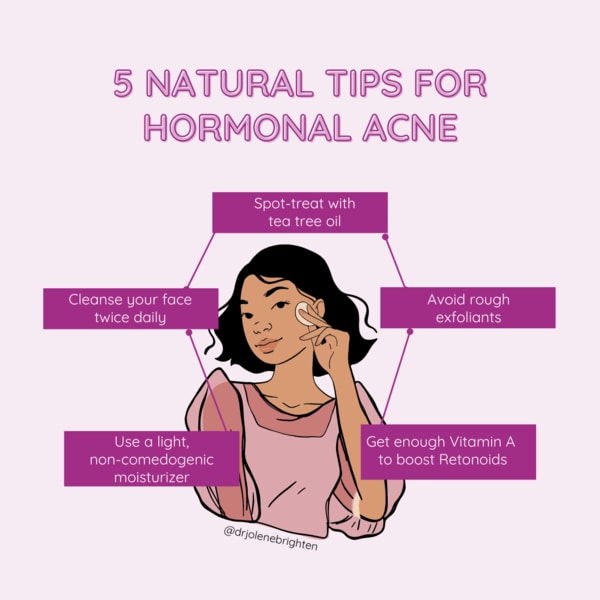
Practical Tips for Managing Hormonal Chin Acne
While hormonal acne can be stubborn, there are plenty of effective ways to manage it. Here are some science-backed strategies to try:
1. Adopt a Hormone-Friendly Diet
What you eat can impact your hormone levels and, by extension, your acne. Focus on:
- Low-Glycemic Foods: High-sugar foods can spike insulin levels, which increases androgen production. Opt for whole grains, vegetables, and legumes instead.
- Omega-3 Fatty Acids: Found in fatty fish, flaxseeds, and walnuts, omega-3s can help reduce inflammation linked to acne.
- Limit Dairy: Some studies suggest that dairy, particularly skim milk, may exacerbate hormonal acne. Consider a dairy-free trial to see if your skin improves.
2. Use Targeted Skincare Products
Choose products specifically formulated for acne-prone skin. Key ingredients include:
- Salicylic Acid: This beta-hydroxy acid penetrates into pores to dissolve oil and dead skin cells.
- Benzoyl Peroxide: A powerful antibacterial agent that reduces acne-causing bacteria.
- Retinoids: Vitamin A derivatives like adapalene or tretinoin help regulate skin cell turnover and unclog pores.
- Niacinamide: A calming ingredient that reduces oil production and inflammation.
Pro Tip: Avoid over-cleansing or using harsh scrubs, as these can strip your skin of its natural oils, triggering more sebum production.
3. Consider Hormonal Treatments
If over-the-counter products aren’t cutting it, consult a dermatologist. They may recommend:
- Birth Control Pills: Certain oral contraceptives help regulate hormones and prevent androgen-induced acne.
- Spironolactone: This medication reduces androgen activity, making it effective for hormonal acne.
- Isotretinoin (Accutane): Reserved for severe or resistant acne, isotretinoin is a powerful option but requires close medical supervision.
4. Practice Lifestyle Habits for Better Skin Health
- Reduce Stress: Chronic stress increases cortisol, which can worsen hormonal imbalances and acne. Try yoga, meditation, or deep breathing exercises.
- Sleep Well: Poor sleep disrupts hormonal regulation. Aim for 7-9 hours per night.
- Stay Hydrated: Drinking water supports skin health and helps flush out toxins.
5. Avoid Common Triggers
- Touching Your Face: Constantly touching or resting your hand on your chin can transfer bacteria.
- Cell Phones: Clean your phone screen regularly to prevent bacteria buildup.
- Pore-Clogging Makeup: Use non-comedogenic and oil-free cosmetics.
When Should You See a Dermatologist?
If your chin acne is severe, persistent, or causing significant distress, it’s time to seek professional help. A dermatologist can customize a treatment plan tailored to your skin type and the root cause of your acne. In some cases, they may also recommend hormonal testing to identify underlying imbalances.
Final Thoughts
Dealing with chin acne can be frustrating, but understanding its hormonal roots is the first step toward effective management. By combining targeted skincare, healthy lifestyle choices, and professional guidance, you can regain control of your skin. Remember, consistency is key—results take time, but with patience and the right approach, clear skin is achievable.
Have questions about your skincare routine or need guidance? Drop them in the comments below, and let’s tackle chin acne together!