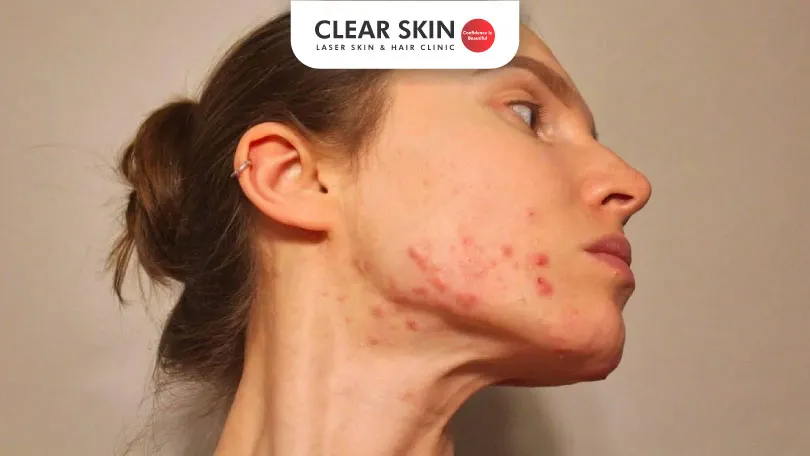
Understanding Chin Acne: The Role of Hormones
Chin acne is a common frustration for many people, often appearing as painful cysts or persistent blemishes around the jawline. If you’ve noticed that this type of acne flares up monthly or during stressful periods, hormones are likely the culprit. This article will explore the link between hormones and chin acne, why it happens, and what you can do to manage it effectively.
Why Does Chin Acne Happen?
Chin acne is predominantly associated with hormonal fluctuations. Hormones, specifically androgens like testosterone, can increase oil production in your skin’s sebaceous glands. This excess oil, combined with dead skin cells and bacteria, clogs pores, leading to inflammation and acne.
Certain life stages, such as puberty, menstruation, pregnancy, or even perimenopause, can intensify these hormonal changes, making chin acne more common.
Scientific Backing: Hormonal Influence
Studies have shown that hormonal acne tends to appear in areas rich in oil glands, including the chin and jawline. A study published in the Journal of Clinical and Aesthetic Dermatology revealed that adult women often experience acne flares during the luteal phase of their menstrual cycle due to an increase in progesterone and testosterone levels. These hormonal shifts can exacerbate oil production and trigger inflammation, setting the stage for chin acne.
How to Spot Hormonal Chin Acne
Not all acne is created equal, and recognizing the signs of hormonal chin acne can help you treat it effectively. Here’s what to look for:
- Location: Hormonal acne often appears around the chin, jawline, and lower cheeks.
- Timing: Flare-ups can coincide with your menstrual cycle, particularly a week before menstruation.
- Type of Acne: Hormonal acne typically consists of deep cysts or nodules that feel tender and painful.
- Consistency: Unlike random breakouts, hormonal acne tends to recur in the same areas.
Practical Tips to Manage Chin Acne
While hormonal chin acne can feel like an uphill battle, there are actionable steps you can take to reduce its severity and frequency. Here’s how:
1. Focus on Hormonal Balance
- Diet: Consume foods rich in omega-3 fatty acids (like salmon and walnuts) to help reduce inflammation. Avoid high-glycemic foods, such as sugary snacks or white bread, as they can spike insulin levels, indirectly worsening acne.
- Manage Stress: Chronic stress increases cortisol levels, which can exacerbate hormonal imbalances. Incorporate stress-reducing activities like yoga, meditation, or regular exercise.
- Consult a Doctor: If your acne persists, speak to a dermatologist or gynecologist about treatments such as oral contraceptives or anti-androgens like spironolactone, which can regulate hormonal activity.
2. Adopt a Targeted Skincare Routine
Tailor your skincare to address hormonal chin acne. Look for the following products:
- Salicylic Acid: Helps exfoliate and unclog pores.
- Benzoyl Peroxide: Targets acne-causing bacteria and reduces inflammation.
- Retinoids: Boost cell turnover to prevent clogged pores. Prescription-strength retinoids like tretinoin may be more effective for severe cases.
- Non-Comedogenic Moisturizers: Keep your skin hydrated without clogging pores.
3. Avoid Common Triggers
- Touching Your Face: Resist the urge to pick at or squeeze acne, as this can lead to scarring and infection.
- Dirty Makeup Brushes: Clean your makeup tools weekly to prevent the buildup of bacteria.
- Occlusive Skincare: Avoid heavy creams or products that may trap oil in your pores.
4. Consider Professional Treatments
If over-the-counter solutions aren’t effective, dermatological treatments can help:
- Chemical Peels: These exfoliate the skin and reduce acne-causing bacteria.
- Microneedling: Boosts collagen production and minimizes acne scars.
- Hormonal Therapy: Your dermatologist may recommend treatments tailored to your hormonal profile.
Prevention Tips for Hormonal Chin Acne
Consistency is key when managing hormonal acne. Here are a few strategies to keep breakouts at bay:
- Stick to a Skincare Routine: Maintain a simple, effective routine that addresses oil, bacteria, and inflammation.
- Track Your Cycle: If your acne flares up before your period, adjust your skincare routine during this phase to prevent breakouts.
- Hydration Matters: Drink plenty of water to support overall skin health.
When to Seek Help
If your chin acne is causing physical or emotional distress, don’t hesitate to seek professional help. Persistent or severe hormonal acne may require prescription treatments or advanced dermatological procedures. A dermatologist can create a personalized treatment plan to address your skin concerns effectively.
Final Thoughts
Chin acne caused by hormones may feel unavoidable, but understanding its triggers makes it easier to manage. By adopting a balanced lifestyle, targeted skincare routine, and seeking professional support when needed, you can reduce its impact and regain confidence in your skin. Remember, consistency is key, and small changes can lead to big improvements over time.
Key Takeaways
- Hormonal fluctuations are the primary cause of chin acne.
- Focus on diet, stress management, and a tailored skincare routine to control breakouts.
- Consult professionals for persistent or severe cases.
By taking proactive steps to address chin acne, you’ll be well on your way to clearer, healthier skin.