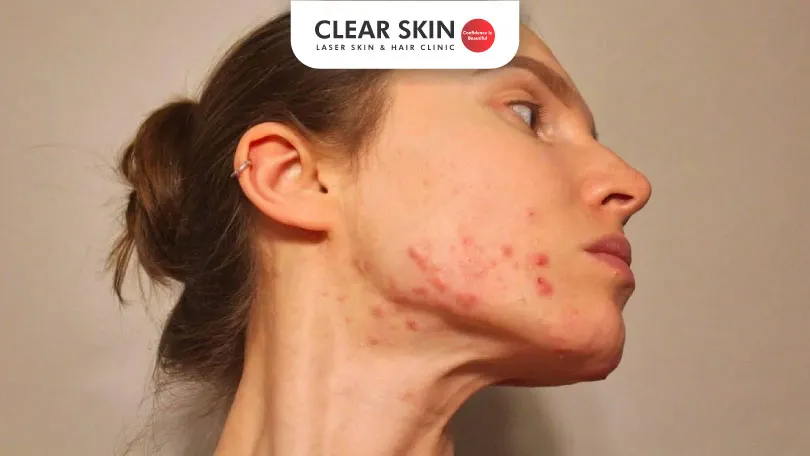
Understanding Chin Acne: Is It Linked to Hormones?
If you find yourself dealing with stubborn acne that consistently appears along your chin, you’re not alone. Chin acne is a common problem, often linked to hormonal fluctuations. But why does hormonal imbalance specifically target the chin area? Let’s dive into the science and explore practical solutions to help you achieve clearer skin.
The Science Behind Hormonal Chin Acne
Hormones play a major role in acne development—especially androgens, a group of hormones such as testosterone. Androgens stimulate the sebaceous glands in your skin to produce more oil (sebum). Excess sebum clogs your pores, creating an ideal environment for acne-causing bacteria (Propionibacterium acnes) to thrive.
Chin acne is particularly associated with hormonal changes because this area is part of the “hormonal triangle” of the face, which includes the jawline and lower cheeks. Studies suggest that hormonal acne tends to flare up during:
- Menstrual Cycles: Many women report chin acne flare-ups a few days before their period due to increased testosterone levels relative to estrogen.
- Puberty: Hormonal changes during puberty often lead to acne, including chin breakouts.
- Pregnancy: Pregnancy hormones, including progesterone, can cause excess oil production.
- Stress: Stress elevates cortisol levels, which may indirectly affect sebum production and worsen acne.
- Polycystic Ovary Syndrome (PCOS): This condition is linked to higher androgen levels and frequently causes hormonal acne.
Identifying Hormonal Chin Acne
Not all chin acne is hormonal, so it’s important to identify the signs. Hormonal acne often appears as:
- Deep, painful cysts: Unlike surface-level blackheads or whiteheads, hormonal acne tends to form deep, inflamed cysts or nodules.
- Recurring cycles: Breakouts that coincide with your menstrual cycle or other hormonal changes.
- Resistance to over-the-counter treatments: Hormonal acne may not respond to traditional topical treatments like salicylic acid or benzoyl peroxide.
Knowing these characteristics can help you address the root cause of your breakouts.
How to Treat Chin Acne Caused by Hormones
Dealing with hormonal acne can be frustrating, but the good news is that you have plenty of effective options to manage and reduce breakouts. Here are expert-recommended strategies:
1. Adjust Your Skincare Routine
Optimize your skincare routine to prevent clogged pores and reduce inflammation:
- Cleanse gently: Use a mild cleanser twice daily to remove excess oil and dirt. Look for non-comedogenic products.
- Exfoliate regularly: Incorporate gentle exfoliation with salicylic acid or glycolic acid 2-3 times a week to keep pores clear.
- Hydrate your skin: Even oily skin needs hydration. Use an oil-free moisturizer to maintain skin health without clogging pores.
- Spot treatments: Apply benzoyl peroxide or sulfur-based spot treatments to reduce redness and inflammation.
2. Consider Hormonal Medications
If your acne is persistent, consult a dermatologist about hormonal treatments. Popular options include:
- Birth control pills: Oral contraceptives can regulate hormones and reduce androgen levels, which may improve chin acne.
- Spironolactone: This medication reduces androgen activity in the skin, helping to control oil production.
Always consult a healthcare provider before starting hormonal medications, as they may have side effects or contraindications.
3. Topical Prescription Treatments
Dermatologists often prescribe topical treatments that target acne-causing bacteria and inflammation. These may include:
- Retinoids: Retinoid creams like tretinoin promote cell turnover and prevent clogged pores.
- Topical antibiotics: These can reduce bacteria and inflammation in active breakouts.
4. Lifestyle Changes for Hormonal Balance
Managing your overall health can help regulate your hormones and reduce acne flare-ups:
- Eat a balanced diet: Avoid high-sugar and high-dairy diets, which can potentially worsen acne. Focus on antioxidant-rich foods, such as leafy greens and berries, to support skin health.
- Practice stress management: Chronic stress disrupts hormonal balance. Incorporate stress-reduction techniques such as meditation, yoga, or deep breathing into your daily routine.
- Stay active: Regular exercise helps improve circulation and regulate hormones, which can benefit your skin.
- Get enough sleep: Sleep deprivation affects cortisol levels and can worsen acne.
Prevention Tips for Chin Acne
Preventing chin acne requires a proactive approach to skincare and lifestyle choices. Here are some simple, actionable tips:
- Keep hands off your face: Avoid touching your chin to prevent transferring bacteria and oil.
- Sanitize frequently-touched items: Clean your phone, pillowcases, and makeup tools regularly.
- Avoid pore-clogging products: Choose skincare and makeup labeled “non-comedogenic.”
- Don’t over-cleanse: Excessive cleansing can strip natural oils and lead to overproduction of sebum.
When to See a Dermatologist
If hormonal chin acne persists despite your best efforts, it may be time to seek professional help. A dermatologist can:
- Diagnose underlying conditions: Such as PCOS or other hormonal imbalances.
- Recommend advanced treatments: Including prescription medications, chemical peels, or light-based therapies like laser treatments.
Final Thoughts
Chin acne can be frustrating, but understanding its hormonal roots gives you the power to combat it effectively. By combining a tailored skincare routine, healthy lifestyle habits, and medical treatments (if necessary), you can minimize breakouts and regain control over your skin. Remember, consistency is key—stick to your routine and be patient as your skin heals.
Clear skin isn’t just about products; it’s about addressing the deeper causes. With the right approach, your chin acne will soon be a thing of the past.