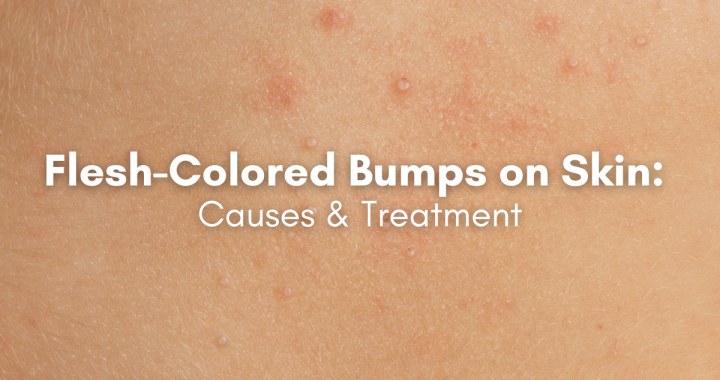
Can Vitamin Deficiencies Cause Acne? Here’s What You Need to Know
Acne is one of the most common skin concerns, affecting millions worldwide. While factors like hormones, genetics, and poor skincare habits often grab the spotlight, did you know that vitamin deficiencies may also play a role in triggering or worsening acne? In this article, we’ll explore the science behind how vitamin deficiencies could impact your skin and provide practical steps to optimize your nutrition for a clearer complexion.
How Vitamin Deficiencies Impact Skin Health
Your skin is the largest organ in your body and relies on essential nutrients to stay healthy. Vitamins play key roles in regulating inflammation, promoting repair, and maintaining proper oil production. A deficiency in certain vitamins can disrupt these processes, potentially leading to acne or aggravating existing breakouts.
While vitamin deficiencies are not the sole cause of acne, they can contribute to imbalances that make your skin more prone to issues like clogged pores, redness, and inflammation. Let’s dive into the vitamins most commonly linked to acne.
Key Vitamins Linked to Acne
1. Vitamin A
Vitamin A is a powerhouse nutrient when it comes to skin health. It helps regulate the production of sebum (oil) and promotes the shedding of dead skin cells, reducing the chances of clogged pores. A deficiency in vitamin A can lead to excessively oily skin or thickened skin, both of which are risk factors for acne.
Sources of Vitamin A
- Sweet potatoes, carrots, and spinach (beta-carotene form)
- Eggs and liver (retinol form)
Skincare Tip
Retinol, a derivative of vitamin A, is often used topically to treat acne. However, balance is key—too much vitamin A (from supplements or skincare) can be toxic or overly drying. Consult a dermatologist before starting retinoids.
2. Vitamin D
Vitamin D is often called the “sunshine vitamin” and plays a role in modulating inflammation in the body. Studies suggest that vitamin D deficiencies are linked to inflammatory skin conditions, including acne. Insufficient levels may exacerbate redness and swelling associated with breakouts.
Sources of Vitamin D
- Sunlight exposure (10-30 minutes a few times per week)
- Fatty fish like salmon and mackerel
- Fortified foods such as milk and cereals
Supplement Tip
If you struggle to get enough sunlight, consider a vitamin D supplement. Aim for 600-800 IU daily, but check with your doctor before starting.
3. Vitamin E
Vitamin E is an antioxidant that helps protect your skin from oxidative stress and supports healing. While it’s not directly linked to acne prevention, a vitamin E deficiency could compromise your skin barrier, making it harder for your skin to recover from inflammation and breakouts.
Sources of Vitamin E
- Nuts and seeds (e.g., almonds, sunflower seeds)
- Leafy greens like spinach
- Avocado
Skincare Tip
Vitamin E is often paired with vitamin C in skincare products to amplify its antioxidant effects. Look for serums containing both for enhanced acne defense.
4. Vitamin B Complex (Niacin, Biotin, B6)
The B-vitamin family is essential for maintaining skin health. Here’s a quick breakdown:
- Niacin (B3) helps reduce inflammation and improve skin texture.
- Biotin (B7) supports the production of healthy skin cells, though excessive supplementation may cause acne in rare cases.
- Vitamin B6 is particularly helpful in managing hormonal acne, as it aids in balancing hormone levels.
Sources of B Vitamins
- Whole grains, eggs, and dairy
- Leafy greens, legumes, and bananas
- Fortified cereals
5. Vitamin C
Vitamin C is another antioxidant champion that boosts collagen production and protects your skin from free radicals. Its anti-inflammatory properties can help calm irritated acne-prone skin and promote healing.
Sources of Vitamin C
- Citrus fruits (oranges, lemons)
- Berries (strawberries, blueberries)
- Bell peppers and broccoli
Skincare Tip
Vitamin C serums are widely available and can brighten post-acne scars. Pair with sunscreen for best results.
Practical Tips to Prevent Vitamin Deficiencies
Now that you know the role of vitamins in acne, here’s how to ensure your body gets what it needs:
1. Prioritize a Balanced Diet
Eat a variety of whole foods, including fruits, vegetables, lean protein, and healthy fats. Avoid highly processed foods, as they tend to be low in nutrients and high in inflammatory ingredients.
2. Consider Supplements—Carefully
If you suspect a deficiency, consult a healthcare provider before starting supplements. Over-supplementation can lead to side effects or nutrient imbalances that may worsen acne.
3. Stay Hydrated
Drinking enough water helps in nutrient absorption and may improve skin hydration, reducing the chances of dryness and irritation.
4. Get Regular Blood Tests
Periodic testing can help identify deficiencies and guide your dietary or supplement decisions. This is especially important if you have underlying health issues or follow a restrictive diet.
The Bottom Line
While vitamin deficiencies alone may not directly cause acne, they can exacerbate skin issues or make your skin less resilient. By incorporating a nutrient-rich diet and addressing deficiencies proactively, you can support your skin’s health from the inside out.
If you suspect that your acne is linked to a nutritional imbalance, don’t hesitate to reach out to a healthcare provider or dermatologist for personalized advice. Your skin deserves the best care—both internally and externally!
Share Your Thoughts
Have you noticed a difference in your skin after addressing a vitamin deficiency? Share your experiences below—we’d love to hear from you!