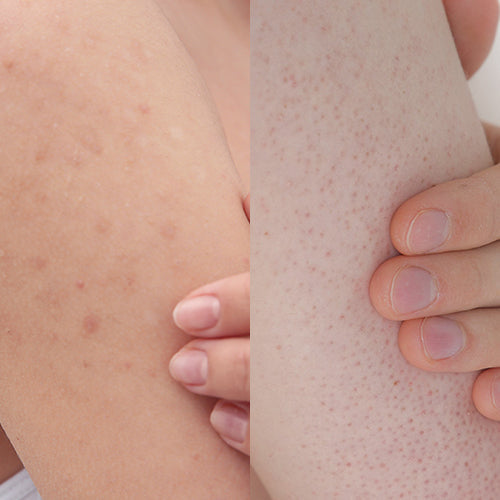
Can Vitamin Deficiencies Cause Acne? Here's the Science
When it comes to managing acne, diet and lifestyle often take center stage. But have you ever wondered if you’re missing a crucial piece of the puzzle? Vitamin deficiencies could be contributing to your acne struggles. Research suggests that inadequate levels of certain vitamins can impair skin health, disrupt hormone balance, and increase inflammation—three major factors that exacerbate acne. Let’s dive into the science behind this and explore practical solutions for healthier skin.
The Role of Vitamins in Skin Health
Vitamins play vital roles in maintaining skin integrity, protecting against environmental damage, regulating inflammation, and supporting the immune system. When your body lacks essential nutrients, your skin can become more prone to dryness, irritation, and breakouts.
Although acne isn’t solely caused by vitamin deficiencies, addressing these gaps can significantly improve your skin's ability to heal and resist blemishes. Below, we’ll cover the most important vitamins linked to acne and how to ensure you’re getting enough.
Common Vitamin Deficiencies Linked to Acne
1. Vitamin D
Vitamin D is often called the "sunshine vitamin" because your skin produces it when exposed to sunlight. It plays a vital role in modulating immune responses and inflammation. Studies have found that individuals with acne often have lower levels of vitamin D.
How it affects acne:
- Vitamin D helps regulate sebum (oil) production, preventing clogged pores.
- It reduces inflammation and redness associated with acne.
How to boost Vitamin D:
- Spend 10-15 minutes in direct sunlight a few times a week (use sunscreen for longer exposure).
- Add foods like fortified dairy, egg yolks, and fatty fish (salmon, mackerel) to your diet.
- Consider taking a Vitamin D supplement after consulting your healthcare provider.
2. Vitamin A
Vitamin A promotes healthy skin cell turnover, ensuring dead cells don’t clog your pores. Retinoids, a derivative of Vitamin A, are a common prescription treatment for acne.
How it affects acne:
- Encourages the renewal of skin cells, reducing clogged pores.
- Decreases inflammation and regulates oil production.
How to boost Vitamin A:
- Eat foods rich in beta-carotene, such as carrots, sweet potatoes, spinach, and kale.
- Include animal-based sources like liver and eggs for preformed Vitamin A.
- Avoid overdosing, as excessive Vitamin A can be harmful, particularly from supplements.
3. Vitamin E
Vitamin E is a powerful antioxidant that protects the skin from oxidative stress caused by free radicals. While its direct link to acne isn’t as strong as other vitamins, it works synergistically with Vitamin A and C to support overall skin health.
How it affects acne:
- Reduces inflammation and improves skin hydration.
- Promotes healing of acne scars.
How to boost Vitamin E:
- Include nuts and seeds (almonds, sunflower seeds), avocados, and leafy greens in your diet.
- Use skincare products containing Vitamin E for added topical benefits.
4. Zinc (Technically a Mineral)
While not a vitamin, zinc deserves an honorable mention due to its proven benefits for acne sufferers. Zinc helps regulate inflammation, supports immune function, and balances hormones.
How it affects acne:
- Reduces acne-causing bacteria.
- Minimizes redness and swelling of active pimples.
How to boost Zinc:
- Incorporate zinc-rich foods like oysters, shellfish, beans, nuts, and whole grains.
- Zinc supplements can be effective but consult a doctor for proper dosing.
How to Identify a Vitamin Deficiency
If you suspect a vitamin deficiency is worsening your acne, pay attention to the following signs:
- Vitamin D: Fatigue, frequent infections, depression.
- Vitamin A: Dry skin, night blindness, poor wound healing.
- Vitamin E: Dull skin, slow acne scar recovery.
Blood tests are the most reliable way to confirm deficiencies. Talk to your doctor about testing and supplementation.
Practical Tips to Address Vitamin Deficiencies
1. Adopt a Balanced Diet
Focus on nutrient-dense foods. Include fresh fruits, vegetables, whole grains, lean proteins, nuts, and seeds in your meals. Avoid highly processed foods, which can deplete your body of essential nutrients.
2. Consider Supplements
If your diet alone doesn’t meet your nutritional needs, supplements can fill the gaps. Choose high-quality multivitamins or targeted supplements (like Vitamin D or zinc) after consulting a healthcare provider.
3. Stay Consistent
Improving your skin through nutrition takes time. Stick with your diet and supplementation plan for at least 3-6 months to see noticeable changes.
4. Don’t Forget Topical Care
While internal health is critical, complement your efforts with gentle skincare products that support your skin barrier. Look for options containing Vitamins A, C, or E, or consult a dermatologist for personalized recommendations.
Final Thoughts: A Holistic Approach to Acne
Vitamin deficiencies may not be the sole cause of acne, but addressing them can significantly improve skin health and reduce breakouts. By combining a nutrient-rich diet, proper supplementation, and consistent skincare, you give your skin the best chance to heal and thrive.
Remember, everyone’s skin is unique. If your acne persists despite these steps, consult a dermatologist for tailored treatment options. With persistence and the right approach, clear skin is achievable.
FAQ: Quick Answers on Vitamins and Acne
Q: Can taking multivitamins cure acne? A: Multivitamins can help address deficiencies, but they’re not a cure. Pair them with skincare and other lifestyle changes.
Q: Are there risks with taking too many vitamins? A: Yes, overdosing on vitamins like A or D can be harmful. Always follow recommended dosages.
Q: How long does it take to see improvement? A: Skin improvements from addressing vitamin deficiencies can take 3-6 months.