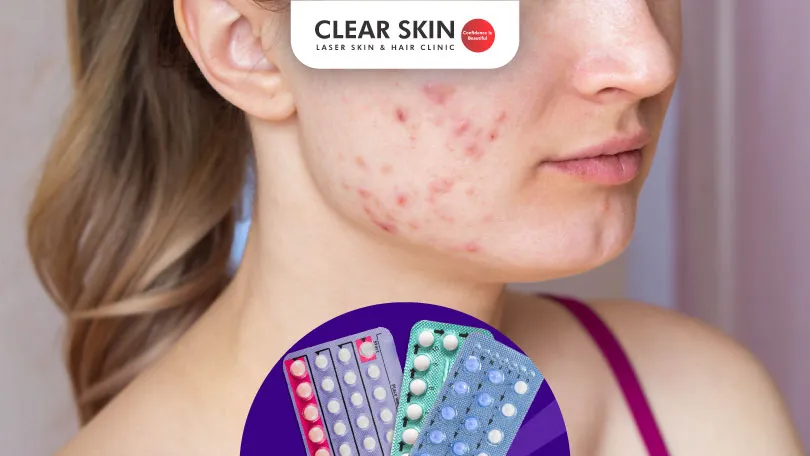
Birth Control and Acne: How Hormones Impact Your Skin
Acne is frustrating, and finding the right treatment can often feel overwhelming. Many people don’t realize that hormonal fluctuations play a significant role in acne formation, and for some, birth control can be a game-changer. But how does it work, and is it right for you? Let’s dive into the science behind birth control and acne, explore which options are most effective, and provide actionable tips for making an informed decision.
How Hormones Contribute to Acne
To understand how birth control can help acne, it’s essential to know the role hormones play in skin health. Acne often develops when excess oil (sebum) clogs pores, and this process is heavily influenced by androgens—hormones like testosterone that stimulate oil production. When androgen levels spike, especially during puberty, menstruation, or hormonal imbalances, the risk of acne increases.
Birth control pills can regulate these hormonal fluctuations, reducing the activity of androgens and, consequently, the production of sebum. As a result, hormonal acne can improve significantly for many users. However, not all birth control methods affect hormones in the same way, which leads us to the next section.
How Birth Control Helps Acne
Most birth control pills contain synthetic versions of two hormones: estrogen and progestin. These hormones work together to:
- Regulate Androgens: Estrogen suppresses androgen production, lowering the amount of sebum your skin produces.
- Reduce Inflammation: Certain birth control formulations help decrease inflammation in the skin, which can reduce redness and swelling associated with acne.
- Stabilize Hormonal Swings: By providing consistent hormone levels throughout the cycle, birth control minimizes fluctuations that trigger breakouts.
It’s important to note that not all birth control methods are effective for acne. Combination pills (which contain both estrogen and progestin) are the most studied and recommended option for acne management. Progestin-only pills or non-hormonal methods like copper IUDs generally do not help with acne and may even worsen it.*
*Always consult your healthcare provider to discuss the best option for your specific needs.
Types of Birth Control Pills Approved for Acne Treatment
Some oral contraceptives are specifically approved by the FDA for acne treatment. These include:
- Ortho Tri-Cyclen: Contains estrogen and a progestin called norgestimate, which helps reduce hormonal acne.
- Yaz: Includes estrogen and drospirenone, a progestin known for its anti-androgenic properties.
- Estrostep: Uses a combination of estrogen and norethindrone to target acne.
These pills are effective because their formulations are designed to minimize androgen activity. However, individual responses can vary, so it’s essential to track your progress and work with your doctor to find the best fit.
Potential Side Effects of Birth Control for Acne
While birth control pills can be highly effective, they come with potential side effects. Common ones include:
- Nausea
- Headaches
- Mood changes
- Weight fluctuations
- Breast tenderness
In rare cases, birth control can increase the risk of blood clots, especially for smokers or those with certain medical conditions. It’s crucial to discuss your medical history and any concerns with your healthcare provider before starting birth control.
How Long Does It Take to See Results?
Patience is key when using birth control for acne. It typically takes 2-3 months to see noticeable improvements, as your body needs time to adjust to the hormonal changes. During this period, you may even experience a temporary increase in breakouts (known as purging) before your skin clears up. Stick with it, and maintain a consistent skincare routine to support your progress.
Practical Tips for Managing Acne with Birth Control
If you’re considering using birth control for acne, follow these tips:
- Consult Your Doctor: Schedule an appointment to discuss your medical history, acne severity, and birth control options.
- Track Your Symptoms: Keep a journal of your skin’s progress to identify what’s working and what’s not.
- Use Complementary Skincare: Pair birth control with a good skincare routine, including gentle cleansers, non-comedogenic moisturizers, and acne-fighting ingredients like salicylic acid or benzoyl peroxide.
- Stay Consistent: Take your pills at the same time every day to maximize effectiveness.
- Reassess Regularly: Check in with your doctor every few months to evaluate your acne and adjust your treatment plan as needed.
Who Should Avoid Birth Control for Acne?
Birth control isn’t suitable for everyone. If you have a history of blood clots, certain cancers, or uncontrolled high blood pressure, hormonal contraceptives may not be safe for you. Additionally, if you’re pregnant, breastfeeding, or prefer a non-hormonal approach, other acne treatments like topical medications or lifestyle changes might be more appropriate.
Final Thoughts
Birth control can be a powerful tool in the fight against hormonal acne. By regulating androgens and stabilizing hormonal fluctuations, combination pills like Ortho Tri-Cyclen, Yaz, and Estrostep offer significant benefits for many acne sufferers. However, it’s not a one-size-fits-all solution, and working closely with your healthcare provider is crucial to finding the right approach for your unique needs.
If you’re struggling with acne, know that you’re not alone—and there’s help. Take the time to explore your options, prioritize consistency, and support your skin with a healthy skincare routine. Clear skin may be closer than you think!
References
- Thiboutot, D. M., & Niederberger, J. (2007). Hormonal Therapy for Acne. American Journal of Clinical Dermatology, 8(3), 109–117.
- Zaenglein, A. L., et al. (2016). Guidelines of care for the management of acne vulgaris. Journal of the American Academy of Dermatology, 74(5), 945–973.