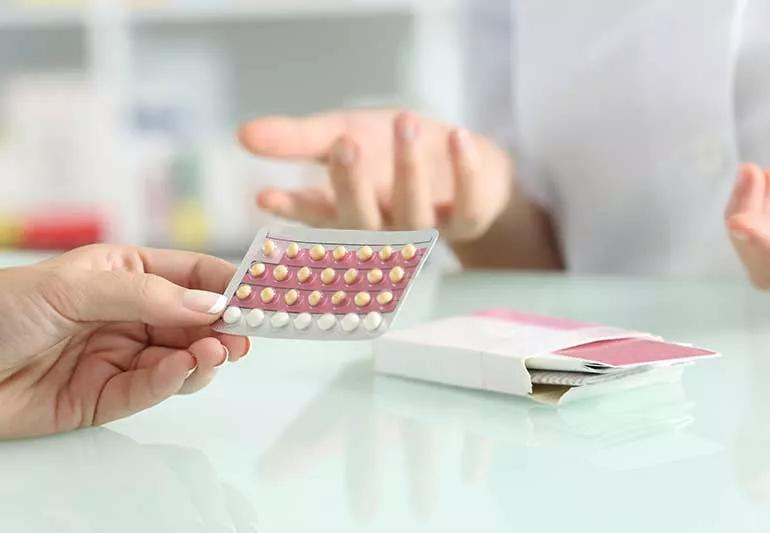
Introduction: Understanding Birth Control and Acne
For many acne sufferers, finding an effective treatment can be a frustrating journey. While topical treatments and lifestyle changes play their parts, understanding the role of hormones in acne is crucial. Birth control pills, known for regulating menstrual cycles, can also help manage acne by controlling hormonal fluctuations. But how exactly does this work, and is it the right option for you? Let's dive in.
How Hormones Influence Acne
Acne is often linked to hormonal changes, particularly during puberty, menstruation, pregnancy, and even stress. These fluctuations can lead to increased production of sebum, an oily substance in the skin, which clogs pores and leads to acne. Birth control pills can help stabilize hormones, specifically by decreasing the circulation of androgens—hormones that increase oil production.
The Science Behind Birth Control and Acne
There are several types of birth control pills, but those used for acne treatment typically contain both estrogen and progestin. They work by increasing the sex hormone-binding globulin (SHBG) levels, which lowers free testosterone in the body. A study published in the Journal of the American Academy of Dermatology found that combination birth control pills reduced acne by 30-60% after six months of use.
Types of Birth Control for Acne
- Combination Pills: These contain both estrogen and progestin and are the most commonly recommended for acne. Examples include Ortho Tri-Cyclen, Yaz, and Estrostep.
- Progestin-only Pills: These are less commonly used for acne and can sometimes worsen it.
- Other Forms: While pills are the most studied, some patches and rings may have similar benefits, but evidence is limited.
Practical Advice: Is Birth Control Right for You?
Evaluate Your Needs and Lifestyle
Before deciding on birth control for acne, consider your personal and family medical history, lifestyle, and long-term skin goals. Discuss with your healthcare provider if hormonal treatment aligns with your overall health plan.
Consider Potential Side Effects
While birth control can effectively reduce acne, it's important to be aware of potential side effects, such as weight gain, mood changes, and an increased risk of blood clots. Everyone's body reacts differently, so monitoring these effects with a healthcare professional's guidance is crucial.
Combine with Other Treatments
Birth control is often most effective when combined with other acne treatments. This might include topical retinoids, benzoyl peroxide, or lifestyle changes like a balanced diet and regular skincare routine.
Conclusion: Making an Informed Choice
Choosing birth control as an acne treatment can be a game-changer for many, but it's essential to make this decision carefully. Consult with your doctor to weigh the benefits and risks, and consider integrating other acne treatments for optimal results. Remember, clear skin is a journey, and understanding the underlying causes is a significant step forward.
Further Resources
- American Academy of Dermatology for more detailed research on acne treatments.
- Planned Parenthood for information on birth control options.