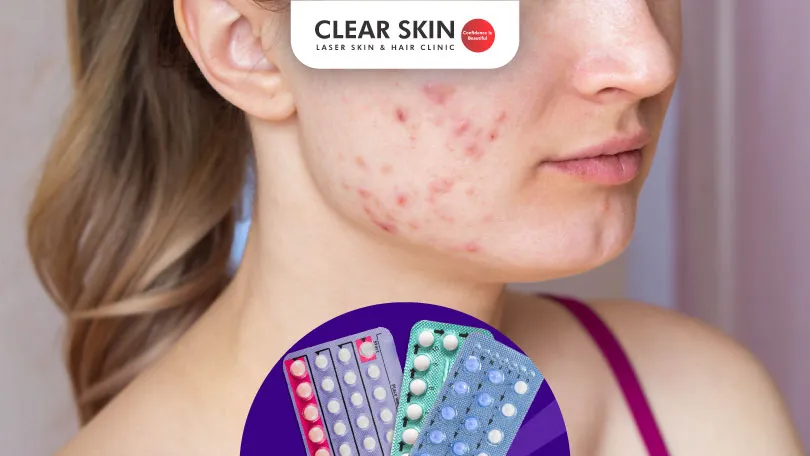
Birth Control and Acne: What's the Connection?
Acne can be frustrating, persistent, and sometimes deeply tied to your body's hormonal shifts. For many people dealing with acne, especially hormonal acne, birth control is often suggested as a potential solution. But how does birth control impact acne, and is it the right choice for you? Let’s dive into the science and practical considerations to help you make an informed decision.
How Birth Control Influences Hormonal Acne
To understand how birth control affects acne, it’s essential to first grasp the role of hormones in acne development. Hormonal acne is typically triggered by androgen hormones, like testosterone, which can cause your skin to produce excess sebum (oil). This excess oil can clog pores, leading to inflammation and blemishes.
Hormonal contraceptives, such as combination birth control pills, contain synthetic versions of estrogen and progestin. These hormones can help regulate or suppress androgen levels, reducing sebum production and, in turn, leading to fewer breakouts over time.
Scientific Backing
Numerous studies have demonstrated the effectiveness of combination birth control pills in managing acne. A 2012 review in the Journal of the American Academy of Dermatology analyzed over 30 clinical trials and confirmed that combination oral contraceptives can significantly reduce inflammatory and non-inflammatory acne lesions.
Types of Birth Control That May Improve Acne
Not all birth control methods are created equal when it comes to managing acne. Here’s a breakdown of the most common types:
1. Combination Oral Contraceptives
These are the most effective for acne treatment. They contain both estrogen and progestin, which work together to balance hormones and decrease androgen activity. Popular options approved by the FDA for treating acne include:
- Ortho Tri-Cyclen (norgestimate/ethinyl estradiol)
- Yaz (drospirenone/ethinyl estradiol)
- Estrostep (norethindrone acetate/ethinyl estradiol)
2. Progestin-Only Pills
Also known as the “mini-pill,” this option doesn’t contain estrogen. Progestin-only birth control is generally not recommended for acne treatment and may even worsen breakouts, as some types of progestins are more androgenic.
3. Hormonal IUDs
Hormonal intrauterine devices like Mirena or Kyleena release progestin locally in the uterus. While convenient for contraception, these devices can sometimes exacerbate acne due to their lack of estrogen and the androgenic activity of certain progestins.
4. Non-Hormonal Options
Copper IUDs and other non-hormonal methods don’t impact acne since they don’t alter your hormonal balance. While great for contraception, they won’t help with hormonal acne.
The Pros and Cons of Using Birth Control for Acne
Before starting hormonal birth control to manage acne, it’s important to weigh the benefits and potential downsides.
Pros:
- Improved Skin: Combination pills can significantly reduce acne in many individuals, particularly those with hormonal acne.
- Predictable Cycles: Birth control can regulate menstrual cycles, which may help minimize premenstrual breakouts.
- Dual Benefits: In addition to clearing skin, birth control provides reliable contraception and may help with other conditions like polycystic ovary syndrome (PCOS).
Cons:
- Side Effects: Common side effects of birth control include nausea, mood changes, and breast tenderness. Some may experience worsening acne before seeing improvement.
- Blood Clot Risk: Combination pills slightly increase the risk of blood clots, especially in smokers or people over 35.
- Not a Quick Fix: It can take 2-3 months to see significant acne improvement after starting birth control.
Practical Tips for Acne Management When Using Birth Control
If you’re considering birth control for acne, or you’re already on it, here are actionable tips to maximize its benefits for your skin:
1. Give It Time
Be patient. Hormonal changes don’t happen overnight, and it can take a few cycles before you notice an improvement in your skin.
2. Stick to Your Skincare Routine
While birth control can help regulate hormonal acne, a consistent skincare routine is still essential. Focus on:
- Cleansing: Use a gentle, non-comedogenic cleanser twice daily.
- Active Ingredients: Incorporate acne-fighting ingredients like salicylic acid, benzoyl peroxide, or retinoids.
- Moisturizing: Don’t skip moisturizer, even if your skin feels oily. Choose a lightweight, oil-free option.
3. Monitor Your Body’s Response
Pay attention to new symptoms or side effects. If you’re experiencing severe mood swings, weight changes, or worsening acne, consult your healthcare provider.
4. Consult a Dermatologist
If birth control alone doesn’t improve your acne, a dermatologist can recommend additional treatments like topical or oral medications to complement your regimen.
5. Be Realistic
Birth control isn’t a one-size-fits-all solution. Some people see dramatic improvements, while others may require additional acne treatments. Set realistic expectations and focus on finding the combination of therapies that work for you.
When to Avoid Using Birth Control for Acne
Hormonal birth control might not be suitable for everyone. You should avoid it if:
- You have a history of blood clots or certain medical conditions.
- You’re a smoker over the age of 35.
- You’re trying to conceive soon or prefer non-hormonal acne solutions.
In these cases, consult your doctor about alternative acne treatments, such as spironolactone, oral antibiotics, or isotretinoin (Accutane).
Final Thoughts
Birth control can be an effective tool for managing hormonal acne, but it’s not a universal solution. Understanding how it works and choosing the right type of contraception for your skin and lifestyle is crucial. Always consult a healthcare provider or dermatologist to discuss your options and determine the best course of action for your unique needs.
Dealing with acne can feel overwhelming, but with persistence, the right skincare routine, and potentially the help of birth control, clearer skin is within reach.