Understanding Oily, Acne-Prone Skin
If you have oily, acne-prone skin, you're likely familiar with the challenges of managing both excessive shine and breakouts. While it might seem counterintuitive, moisturizing is essential even for oily skin types. Neglecting hydration can actually exacerbate oil production and acne.
Oily skin results from overactive sebaceous glands producing excess sebum. This can clog pores and lead to acne. The right moisturizer can help balance your skin's moisture levels without causing breakouts.
Why Oily Skin Still Needs Moisturizers
The Science Behind Moisturizers
Moisturizers work by trapping water in the skin and creating a barrier to prevent water loss. This is crucial for maintaining skin health and integrity. According to dermatological studies, using a moisturizer can help regulate oil production. When skin is adequately hydrated, it sends a message to the sebaceous glands to slow down sebum production.
Avoiding the Moisture Trap
Skipping moisturizer might seem like a way to reduce oil but can lead to increased sebum production as your skin attempts to compensate for the lack of moisture. This can further aggravate acne.
Choosing the Right Moisturizer for Oily Skin
Look for Oil-Free Formulas
Opt for oil-free, non-comedogenic moisturizers that won't clog pores. These formulations often contain ingredients like glycerin or hyaluronic acid, which hydrate without adding excess oil.
Lightweight is Key
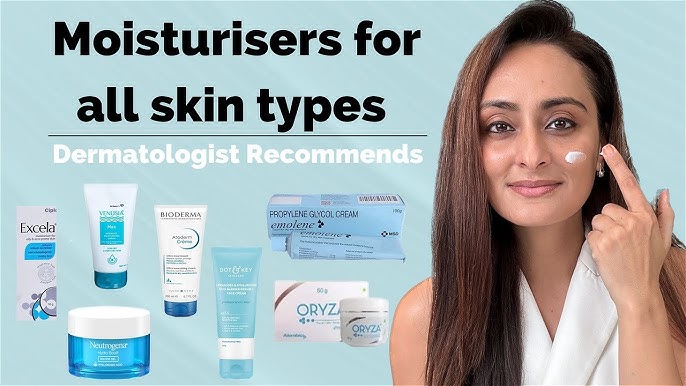
Lightweight gel or water-based moisturizers are ideal for oily skin. These types of products absorb quickly and don't leave a heavy residue. Brands like Neutrogena's Hydro Boost or La Roche-Posay's Effaclar Mat are popular choices amongst dermatologists.
Ingredients to Embrace
- Hyaluronic Acid: Known for its ability to hold 1,000 times its weight in water, hyaluronic acid hydrates without weighing down the skin.
- Salicylic Acid: Helps to exfoliate the surface of the skin and clear out pores.
- Niacinamide: This form of vitamin B3 is known for its anti-inflammatory properties and ability to reduce sebum production.
- Aloe Vera: Soothes and hydrates without adding oil.
Ingredients to Avoid
Avoid moisturizers containing heavy oils, like coconut oil, which can be too occlusive for oily and acne-prone skin. Also, steer clear of alcohol-based products, which can strip your skin of its natural oils and trigger more oil production.
Establishing a Skincare Routine
Morning Routine
- Cleanse: Use a gentle, foaming cleanser to remove excess oil.
- Tone: Apply an alcohol-free toner to remove any residue and prep skin.
- Moisturize: Apply a lightweight, oil-free moisturizer.
- Protect: Use a broad-spectrum sunscreen to protect against UV damage.
Evening Routine
- Cleanse: Remove makeup and cleanse your face.
- Treat: Apply any prescribed acne treatment, such as benzoyl peroxide or retinoids.
- Moisturize: Follow up with your evening moisturizer to hydrate and repair.
Conclusion: Embrace the Balance
Finding the right balance of hydration is key to managing oily, acne-prone skin. By choosing the right moisturizer and incorporating it into a consistent skincare routine, you can achieve healthier, more balanced skin. Remember, consistency is key, and always patch test new products to avoid adverse reactions.
For personalized advice, consult with a dermatologist who can recommend products tailored to your specific skin needs.
By following these guidelines, you can navigate the world of moisturizers with confidence and ensure your oily, acne-prone skin remains healthy and well-hydrated.