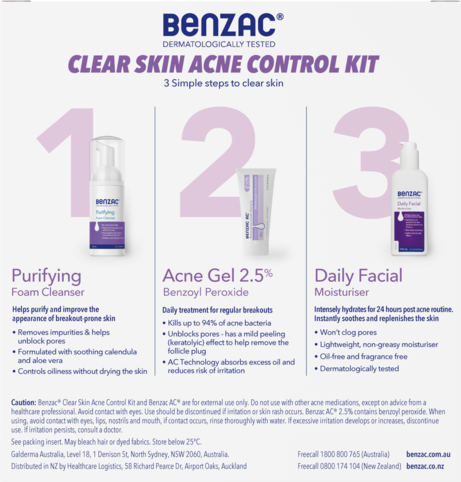
Benzoyl Peroxide Usage Guide: Clear Skin Made Simple
Acne is one of the most common skin concerns worldwide, affecting people of all ages. If you’ve been searching for an over-the-counter solution, chances are you’ve come across benzoyl peroxide. Renowned for its effectiveness in treating acne, benzoyl peroxide can be a game-changer when used correctly. In this guide, we’ll dive deep into how to use benzoyl peroxide, its benefits, potential side effects, and tips for incorporating it into your skincare routine.
What is Benzoyl Peroxide?
Benzoyl peroxide is a topical acne treatment that works by killing acne-causing bacteria known as Propionibacterium acnes (P. acnes). This bacterium thrives in clogged pores and contributes to inflammation that leads to pimples, blackheads, and whiteheads. In addition to its antibacterial properties, benzoyl peroxide also helps to exfoliate the skin and reduce oiliness, making it a versatile option for acne sufferers.
Scientific Backing
Numerous studies have demonstrated the effectiveness of benzoyl peroxide for mild to moderate acne. A 2017 review published in the Journal of the American Academy of Dermatology found that benzoyl peroxide was effective in reducing inflammatory and non-inflammatory acne lesions. It’s often recommended as a first-line treatment by dermatologists due to its accessibility and proven results.
How to Choose the Right Strength
Benzoyl peroxide is available in multiple concentrations, typically ranging from 2.5% to 10%. Here’s how to decide which strength is best for you:
- 2.5% Benzoyl Peroxide: Ideal for sensitive skin or beginners. Studies show that lower concentrations can be just as effective as higher ones but with fewer side effects.
- 5% Benzoyl Peroxide: A balanced option for moderate acne and slightly less sensitive skin.
- 10% Benzoyl Peroxide: Reserved for stubborn, severe acne. Higher concentrations may increase the risk of dryness and irritation.
If you're unsure which strength to start with, consider consulting a dermatologist for personalized guidance.
How to Use Benzoyl Peroxide Correctly
To get the most from benzoyl peroxide while minimizing irritation, follow these actionable steps:
Step 1: Start Slowly
Introduce benzoyl peroxide gradually into your routine to allow your skin to adapt. Begin with applications once a day, preferably in the evening, and monitor how your skin reacts. If no irritation occurs, you can increase usage to twice daily.
Step 2: Cleanse Your Skin
Before applying benzoyl peroxide, cleanse your face with a gentle, non-comedogenic cleanser. Pat your skin dry with a clean towel—never rub, as this can cause irritation.
Step 3: Apply a Thin Layer
Use a pea-sized amount of benzoyl peroxide and spread it evenly over your affected areas. Avoid layering it thickly, as this won’t make it work faster and may increase irritation.
Step 4: Moisturize
Benzoyl peroxide can cause dryness, so always follow up with a hydrating, fragrance-free moisturizer. Non-comedogenic products are ideal to prevent further clogging of pores.
Tips for Using Benzoyl Peroxide Safely
- Patch Test First: Apply a small amount to an inconspicuous area (like behind your ear) to ensure you don’t have a severe reaction.
- Avoid Sun Exposure: Benzoyl peroxide can increase sun sensitivity, so always use sunscreen during the day.
- Don’t Overuse: More is not better! Excessive use can irritate your skin and compromise its barrier.
- Use on Clean Skin: Ensure your skin is free from makeup and dirt before applying the product.
- Don’t Mix with Certain Ingredients: Avoid using benzoyl peroxide alongside retinoids, vitamin C, or exfoliating acids unless directed by a dermatologist, as these combinations can cause irritation.
Common Side Effects of Benzoyl Peroxide
While benzoyl peroxide is effective, it can cause side effects, especially when first introduced into your routine. These include:
- Dryness: Combat this by moisturizing immediately after application.
- Redness and Peeling: These symptoms usually improve as your skin adapts.
- Staining Clothes and Linens: Benzoyl peroxide can bleach fabrics. Use white pillowcases and avoid contact with colored clothing.
If irritation persists or worsens, discontinue use and consult a dermatologist.
Who Should Avoid Benzoyl Peroxide?
Although benzoyl peroxide is safe for most people, certain groups should exercise caution:
- Sensitive Skin: Those prone to eczema or rosacea may experience heightened irritation.
- Pregnant or Breastfeeding Women: While generally considered safe, check with your doctor before use.
- Severe Allergies: If you’ve had adverse reactions to benzoyl peroxide before, it’s best to avoid it.
Alternatives to Benzoyl Peroxide
If benzoyl peroxide doesn’t suit your skin or causes excessive irritation, there are other acne treatments to consider:
- Salicylic Acid: Great for exfoliating and unclogging pores.
- Adapalene: A gentle retinoid available over-the-counter.
- Tea Tree Oil: A natural antibacterial option, though less potent than benzoyl peroxide.
Conclusion
Benzoyl peroxide is a tried-and-true acne treatment that can deliver remarkable results when used correctly. Start with a lower concentration, use it sparingly, and always follow up with a moisturizer to keep your skin balanced and healthy. If you experience persistent irritation or don’t notice improvement after 6–8 weeks, consult a dermatologist for alternative options or tailored advice. Remember, clear skin takes time, patience, and consistency!
Have questions about using benzoyl peroxide? Drop them in the comments below—we’re here to help!
FAQs
Q: How long does benzoyl peroxide take to work?
A: Results typically appear within 4–6 weeks, but consistent use is key.
Q: Can I use benzoyl peroxide daily?
A: Yes, but start with once daily and increase frequency gradually to avoid irritation.
Q: Is benzoyl peroxide safe for teenagers?
A: Absolutely! It’s one of the most common treatments for teenage acne.
Q: Can I use benzoyl peroxide with makeup?
A: Yes, but apply benzoyl peroxide to clean skin, wait for it to absorb, and then apply makeup.
Q: What happens if benzoyl peroxide irritates my skin?
A: Reduce usage frequency or switch to a lower concentration. If irritation persists, consult a dermatologist.